Yoraperla mariana
(Ricker, 1943)
Brown Roachfly
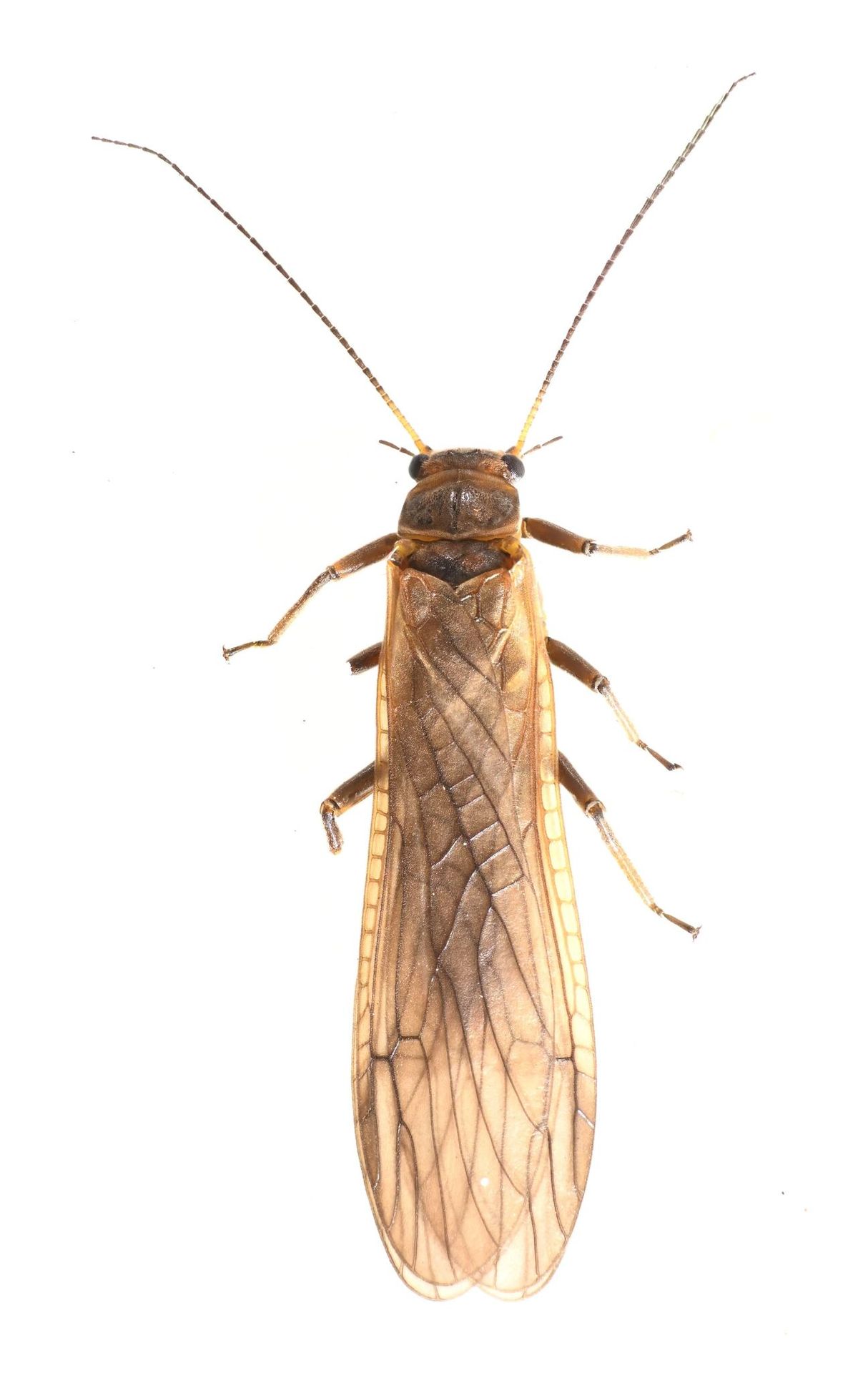
Yoraperla mariana is a in the Peltoperlidae, commonly known as the brown roachfly due to its roach-like appearance. The species was described by Ricker in 1943 and is known from western North America. Like other members of Peltoperlidae, it is associated with forested stream environments.
Pronunciation
How to pronounce Yoraperla mariana: /joʊɹəˈpɜːlə məˈɹiːənə/
These audio files are automatically generated. While they are not always 100% accurate, they are a good starting point.
Identification
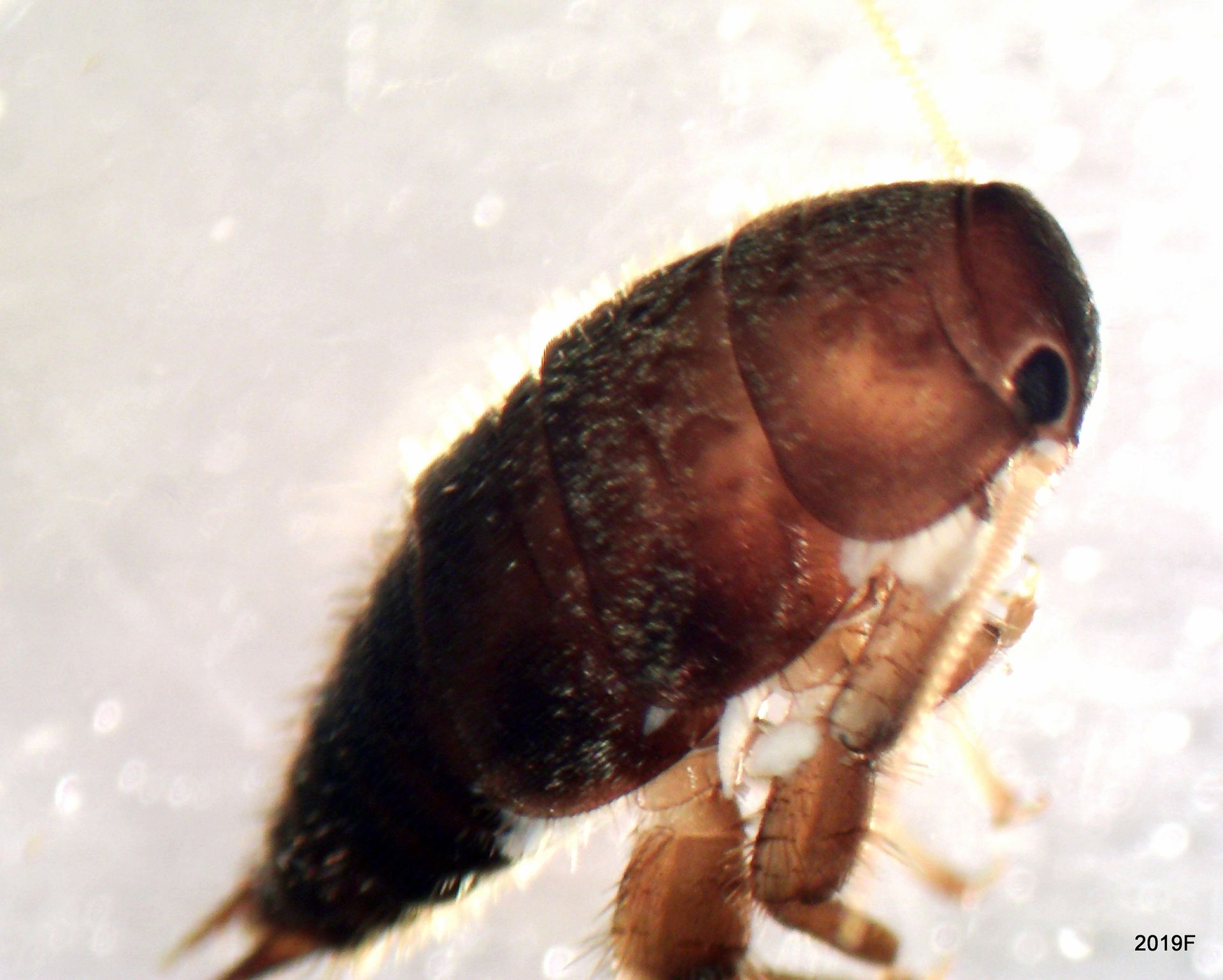
The roach-like, flattened body form distinguishes Yoraperla mariana from most other . Within Peltoperlidae, -level identification requires examination of genitalic structures. The specific epithet and original description by Ricker (1943) provide the primary reference for distinguishing this species from .
Images
Habitat
Associated with forested stream environments in western North America. Specific microhabitat preferences within stream systems are not well documented.
Distribution
Recorded from British Columbia, California, Oregon, and Washington in western North America.
Similar Taxa
- Other PeltoperlidaeOther members of the share the characteristic flattened, roach-like body form; -level distinction requires detailed morphological examination.
- Other Yoraperla species within the require examination of specific morphological features, particularly genitalic structures, for reliable identification.
More Details
Taxonomic Note
The Yoraperla is part of the Peltoperlinae within Peltoperlidae. The is known for its members' distinctive flattened body shape that resembles (Blattodea), hence the 'roachfly' for this .
Data Limitations
Detailed ecological, behavioral, and information for Yoraperla mariana specifically is sparse in the available literature. Most information available pertains to -level characteristics of Peltoperlidae rather than this particular .