Yoraperla
Ricker, 1952
roach-like stoneflies
Species Guides
2- Yoraperla mariana(Brown Roachfly)
- Yoraperla nigrisoma(Black Roachfly)
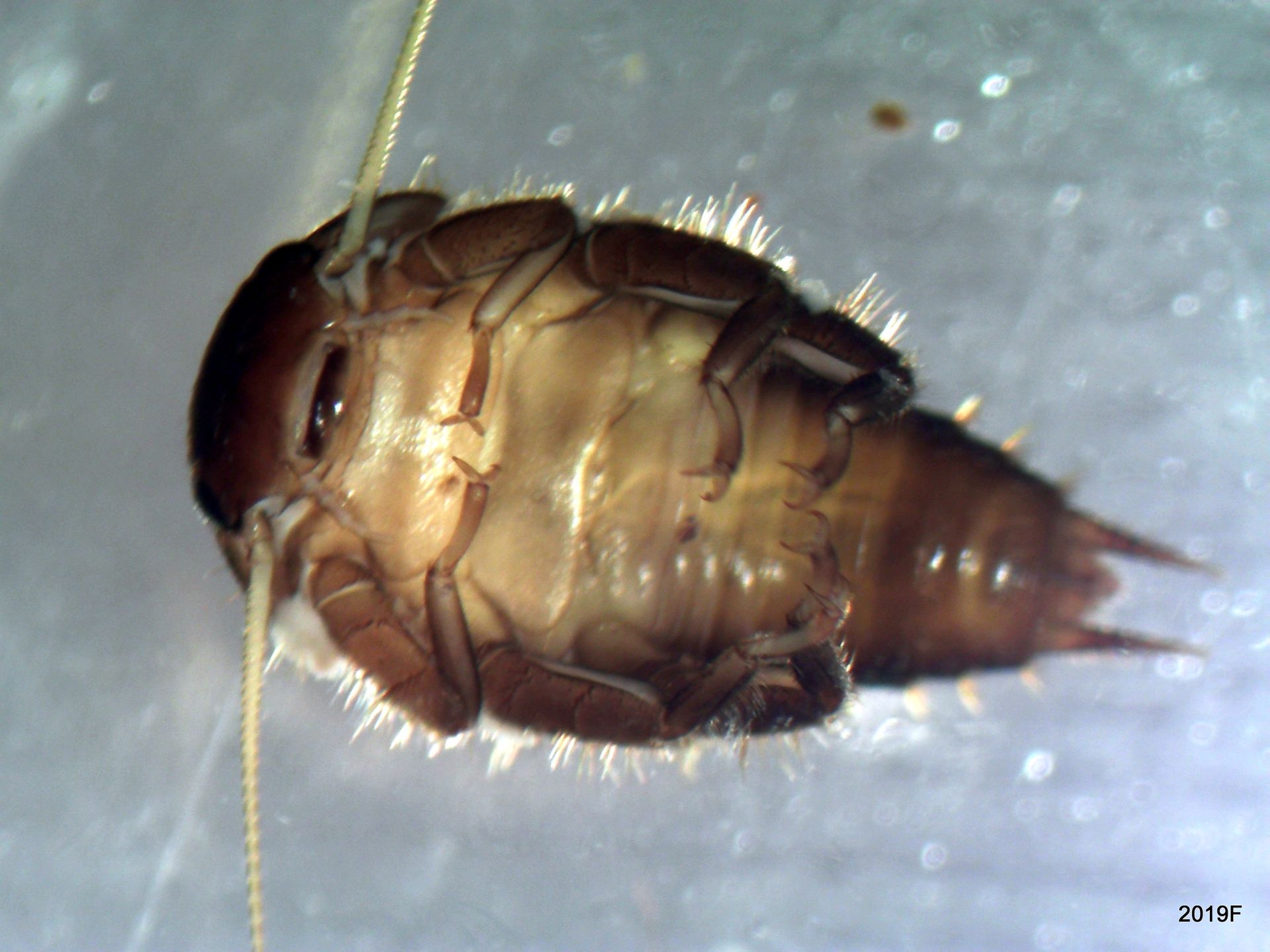
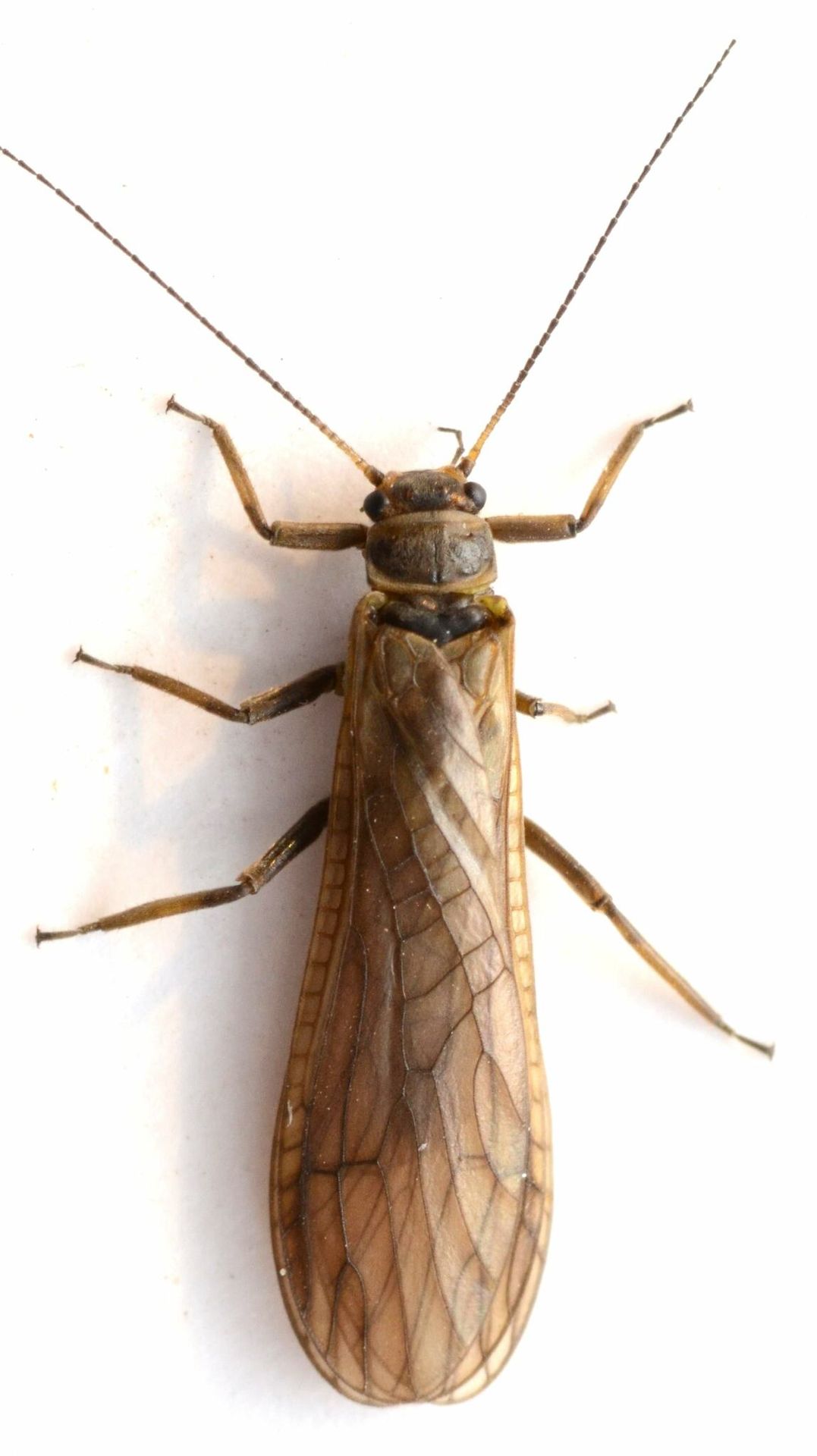
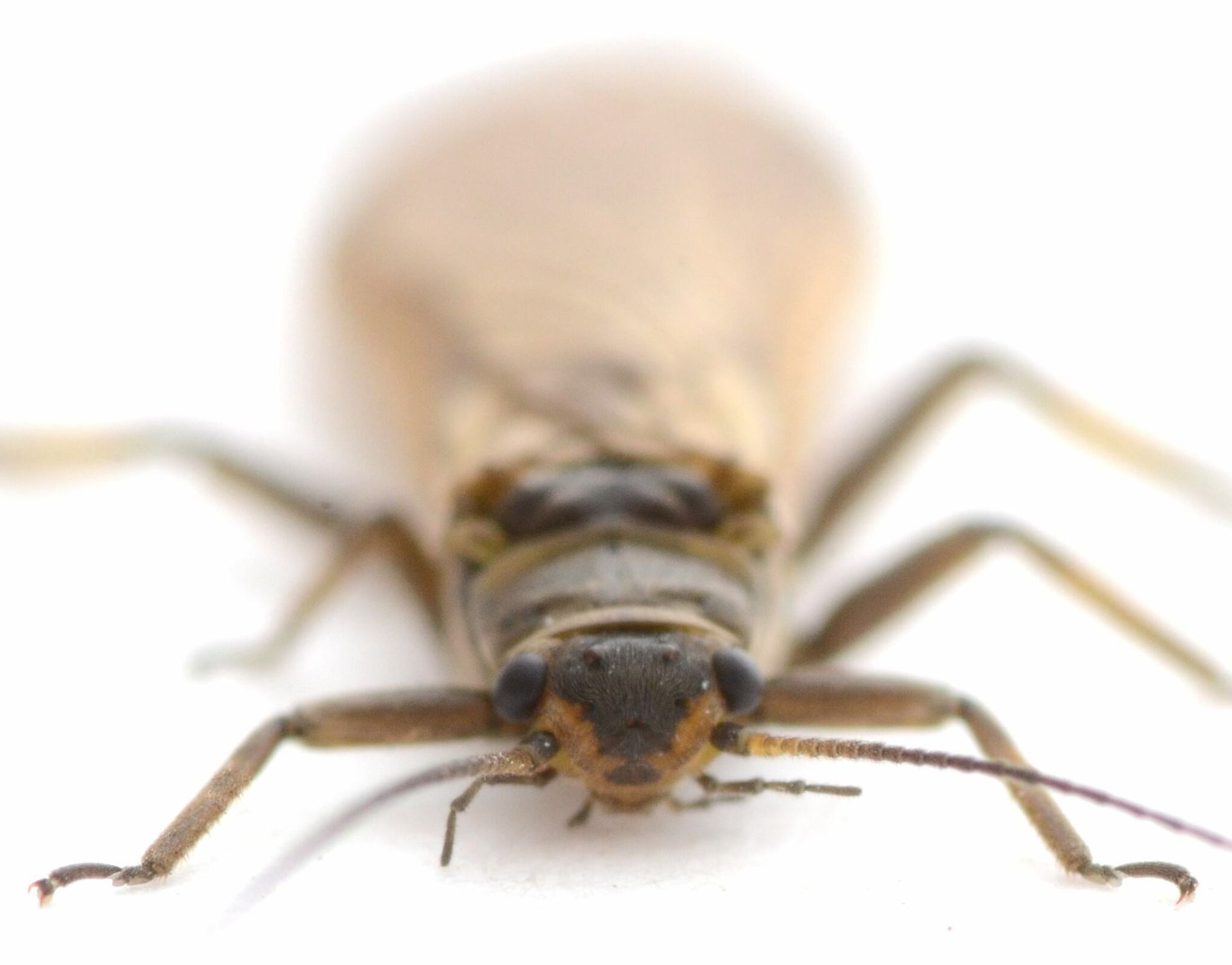
Yoraperla is a of stoneflies in the Peltoperlidae, commonly known as "roach-like stoneflies" due to their resemblance to . The genus contains eight described distributed across North America and Asia. Yoraperla was established by Ricker in 1952 and is classified within the Peltoperlinae.
Pronunciation
How to pronounce Yoraperla: //ˌjɔːrəˈpɜːlə//
These audio files are automatically generated. While they are not always 100% accurate, they are a good starting point.
Identification
Members of Yoraperla can be distinguished from other Peltoperlidae by their roach-like body form. Specific diagnostic features for the require examination of genitalia and wing venation patterns. -level identification relies on subtle morphological differences in male claspers and female subgenital plates.
Images
Habitat
Yoraperla inhabit cool, clean freshwater streams. Larvae are typically found in rocky or gravel substrates where they feed on decaying organic matter.
Distribution
Recorded from western North America (California, Idaho, British Columbia, Alberta) and Japan.
Life Cycle
As with other Plecoptera, Yoraperla has an aquatic larval stage and terrestrial stage. Larvae develop in streams before emerging as adults.
Ecological Role
Larvae function as in stream , processing coarse particulate organic matter and contributing to nutrient cycling in freshwater .
Similar Taxa
- PeltoperlaAlso in Peltoperlidae with roach-like appearance; distinguished by genitalic and wing characters
- TallaperlaAnother Peltoperlinae with overlapping distribution; requires detailed morphological examination to separate
More Details
Species diversity
Eight are currently recognized: Y. altaica (Siberia), Y. brevis, Y. han, Y. mariana (brown roachfly), Y. nigrisoma (black roachfly), Y. siletz, Y. uchidai, and Y. uenoi (Japan).
Taxonomic history
Several were transferred from other ; Y. brevis and Y. nigrisoma were previously classified in Alloperla, while Y. mariana and Y. uenoi were moved from other genera.