
Utabaenetes
Tinkham, 1970
Tanner's black camel cricket
Species Guides
1- Utabaenetes tanneri(Tanner's black camel cricket)
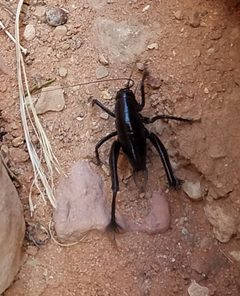
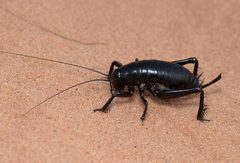
Utabaenetes is a of camel crickets (Rhaphidophoridae) to the San Rafael Desert and adjacent Colorado Plateau of the western United States. The sole , U. tanneri, is restricted to areas of loose sand and active dunes where it reaches high local densities. This dune-dwelling species exhibits specialized behavioral and ecological adaptations to arid environments.
Pronunciation
How to pronounce Utabaenetes: /ˌjuːtəˈbaɪnətiːz/
These audio files are automatically generated. While they are not always 100% accurate, they are a good starting point.
Identification
The can be distinguished from other North American Rhaphidophoridae using the key to and genera of Ceuthophilinae provided by Tinkham (1970). As a genus, identification to genus level equates to -level identification for U. tanneri. Specific morphological characters distinguishing it from related genera are detailed in the original taxonomic description.
Images
Habitat
Loose sand or active dunes in arid desert environments. Found specifically in the San Rafael Desert and adjacent Colorado Plateau regions.
Distribution
to the San Rafael Desert and adjacent Colorado Plateau in the western United States. Documented from study plots in Garfield County, Utah.
Seasonality
Daily activity is matutinal (morning-active), with individuals constructing burrows for shelter during afternoon hours.
Diet
: plant material, detritus, and crickets ( observed).
Behavior
Constructs burrows for shelter in the afternoon. Exhibits potential of sympatric tenebrionid beetles, which may explain low observed rates. has been documented.
Ecological Role
Important in arid . Serves as prey for numerous predatory . Among the most abundant arthropods where it occurs, with recorded densities up to 0.23 individuals per square meter.
Similar Taxa
- Other sand-treading RhaphidophoridaeSimilar ecological role and preference; Utabaenetes distinguished by geographic restriction to San Rafael Desert and specific morphological characters detailed in Tinkham's key.