Conozoa
Saussure, 1884
Species Guides
7- Conozoa carinata(Ridged Grasshopper)
- Conozoa clementina(San Clemente grasshopper)
- Conozoa hyalina(Central Valley Grasshopper)
- Conozoa nicola(San Nicolas Grasshopper)
- Conozoa rebellis(white-lined grasshopper)
- Conozoa sulcifrons(Groove-headed grasshopper)
- Conozoa texana(Cristate Grasshopper)
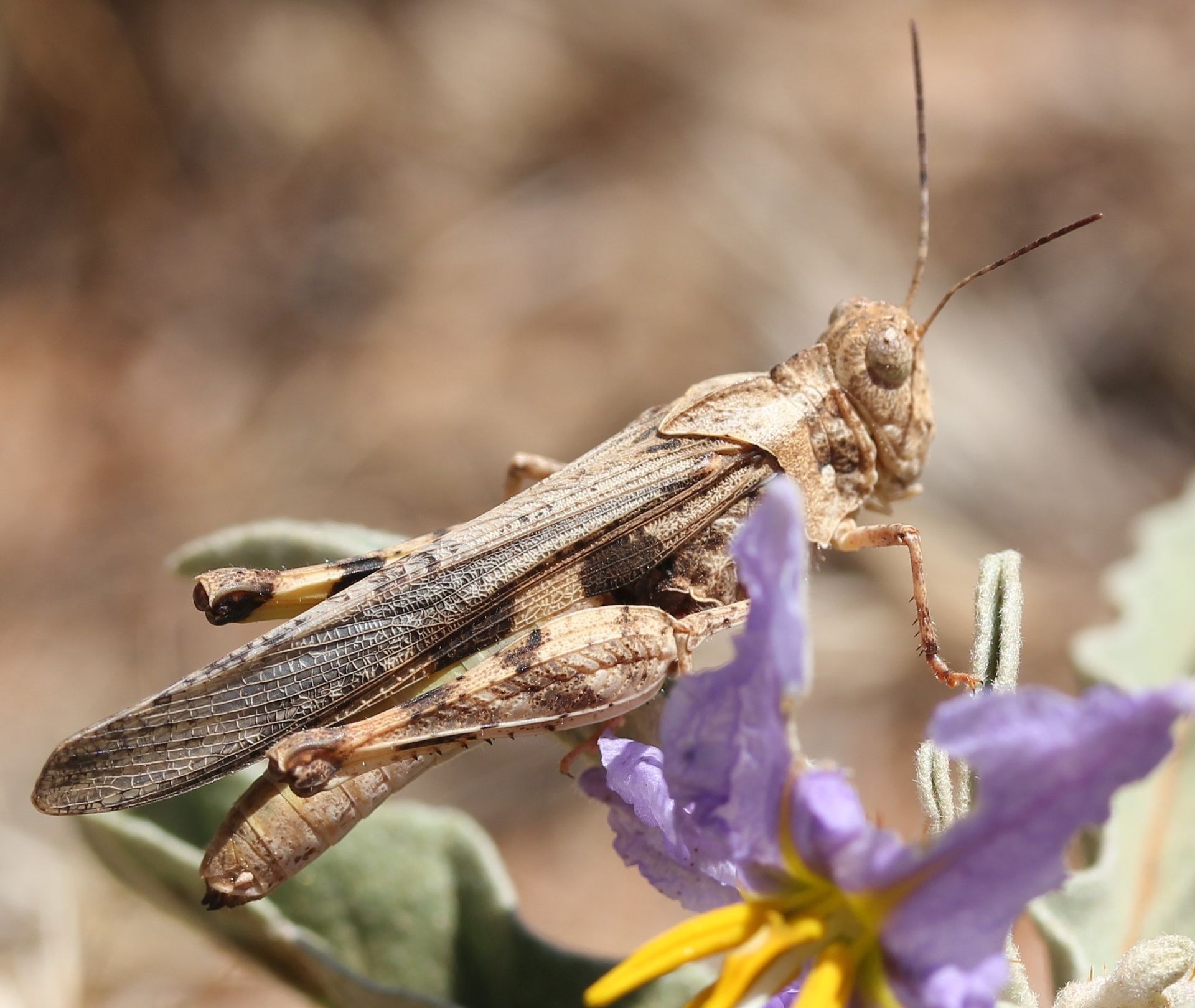
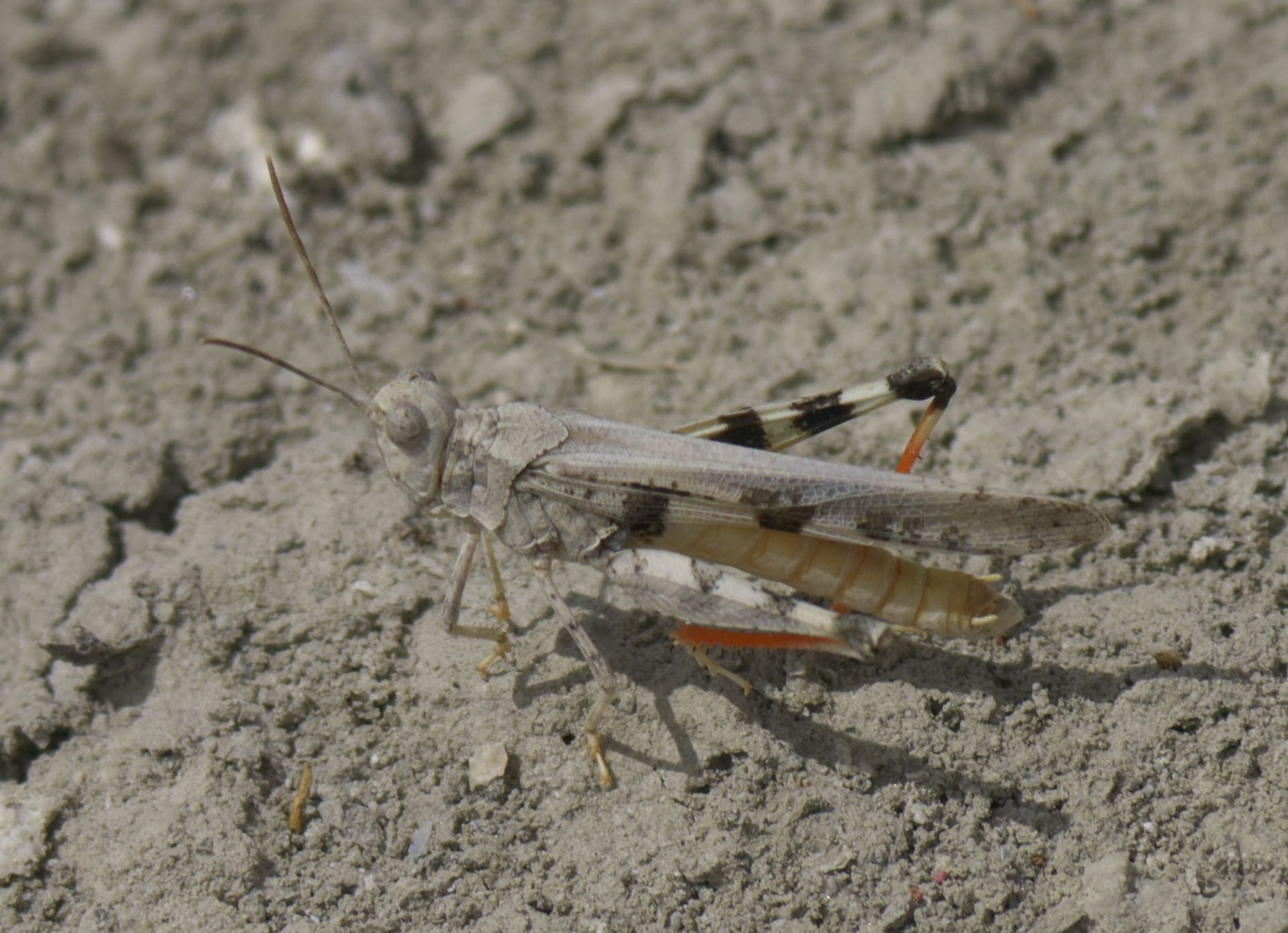
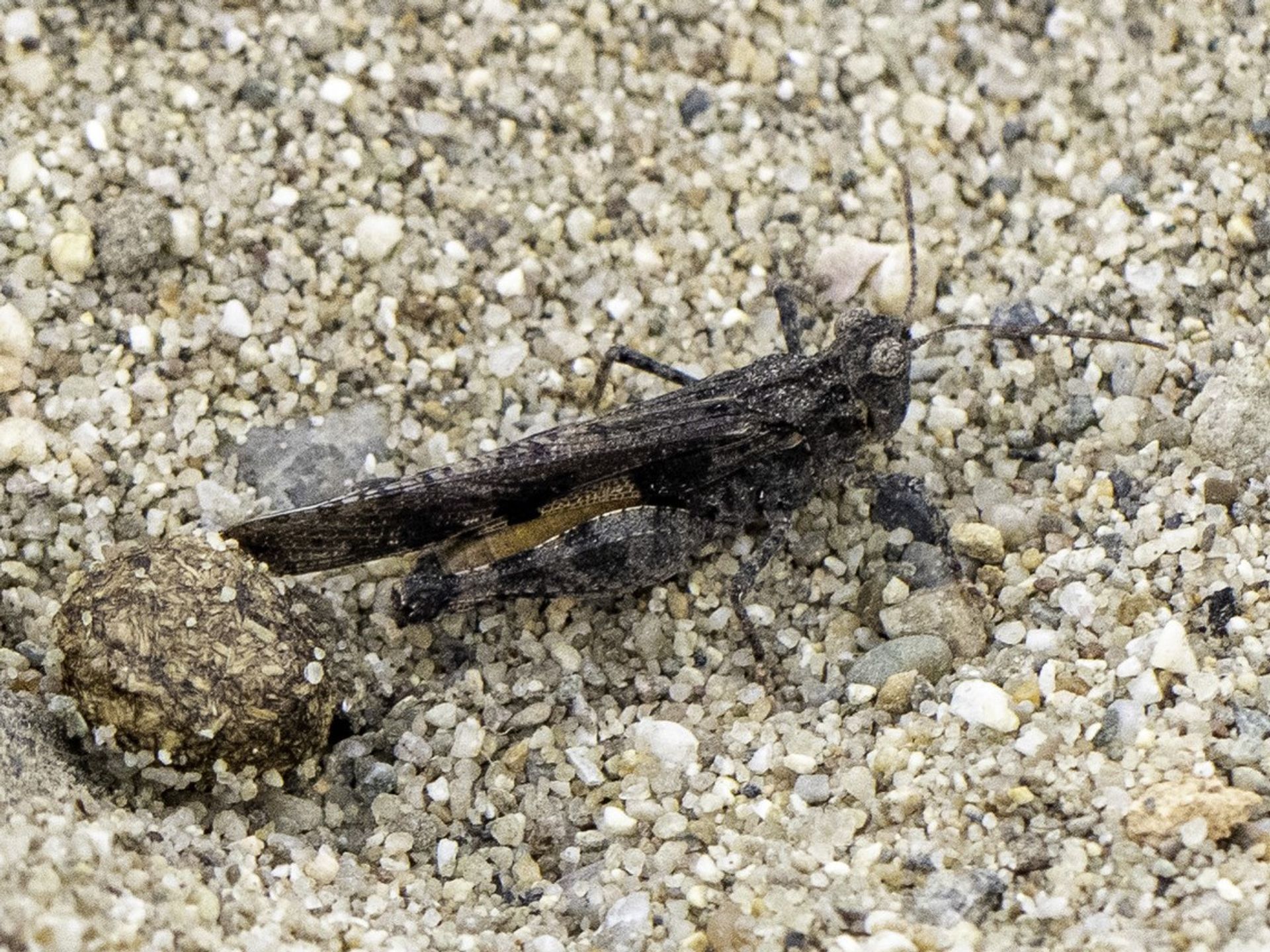
Conozoa is a of bandwinged grasshoppers in the Acrididae, Oedipodinae. The genus was established by Saussure in 1884 and is currently classified within the tribe Trimerotropini. At least two are recognized: Conozoa sulcifrons (Scudder) and Conozoa texana (Bruner). These grasshoppers are distributed across western North America, with records from the southwestern United States and northern Mexico. The genus is characterized by morphological features typical of the Oedipodinae, including banded wings and adaptations for life in arid and semi-arid grassland environments.
Pronunciation
How to pronounce Conozoa: /kəˈnoʊzoʊə/
These audio files are automatically generated. While they are not always 100% accurate, they are a good starting point.
Identification
Members of Conozoa can be distinguished from related in the Trimerotropini by features of the pronotum and wing venation. Conozoa sulcifrons is characterized by a sulcate (grooved) frontal , a trait reflected in its specific epithet. The genus shares the bandwinged condition with other Oedipodinae, possessing hindwings with distinct color bands. Detailed morphological requires examination of the male genitalia and pronotal structure. Conozoa is most similar to Trimerotropis and Spharagemon, from which it differs in details of the pronotal carina and the structure of the and subgenital plate.
Images
Habitat
of Conozoa inhabit arid and semi-arid grasslands, shrublands, and desert prairie environments. Conozoa sulcifrons has been reported from western Wyoming and is known to occur in areas with sparse vegetation and bare ground. The is associated with open, dry typical of the bandwinged fauna of western North America.
Distribution
The Conozoa occurs in western North America. Conozoa sulcifrons is recorded from western Wyoming and has been collected at lights in urban areas, suggesting . Conozoa texana is distributed in the southwestern United States and northern Mexico, with records from Arizona, California, Colorado, and the northeastern and northwestern regions of Mexico. The genus appears to be restricted to the western Nearctic region.
Behavior
Conozoa sulcifrons has been observed at lights at night in urban settings, indicating activity and possible attraction to artificial light sources. This has been documented in Boise, Idaho, where specimens were collected alongside Dissosteira spurcata and Spharagemon equale. The significance of this behavior for or mate location is not established.
Similar Taxa
- TrimerotropisBoth belong to the tribe Trimerotropini and share the bandwinged condition with similar hindwing color patterns. Conozoa differs in pronotal structure and male genitalia.
- SpharagemonAnother member of Trimerotropini with similar preferences and bandwinged . Conozoa can be distinguished by the sulcate frontal in C. sulcifrons and details of pronotal carination.
- DissosteiraShares open- preferences and strong capabilities. Conozoa is smaller and differs in wing banding pattern and pronotal shape.
More Details
Taxonomic History
Conozoa was established by Henri Louis Frédéric de Saussure in 1884. The has historically been treated as related to Trimerotropis, with which it shares many morphological features. The type and complete species inventory of the genus require verification against modern taxonomic standards.
Light Attraction Behavior
The observation of Conozoa sulcifrons at lights in Boise, Idaho on July 22, 1923, represents one of the few documented behavioral records for the . This collection included five males and five females, suggesting that both sexes may be attracted to light sources. The ecological context of this —whether it represents regular activity, , or anomalous behavior—remains unclear.