
Idiataphe
Cowley, 1934
Metallic Pennants
Species Guides
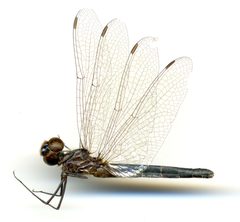
1- Idiataphe cubensis(metallic pennant)
Idiataphe is a of medium-sized in the Libellulidae, commonly known as metallic pennants. range from 34–42 mm in length. The genus occurs from northeastern Argentina through Brazil and the Antilles to Florida. Four species are currently recognized, including the metallic pennant (I. cubensis).


Pronunciation
How to pronounce Idiataphe: /ˌɪdiəˈtæfi/
These audio files are automatically generated. While they are not always 100% accurate, they are a good starting point.
Identification
Medium size (34–42 mm) and metallic coloration distinguish Idiataphe from many other libellulid . The "metallic pennant" refers to I. cubensis and may indicate a pennant-like wing posture or marking pattern, though specific diagnostic features for the genus are not well documented in available sources.
Images
Appearance
Medium-sized , 34–42 mm in body length. Members of this exhibit metallic coloration, as reflected in the "metallic pennants."
Distribution
Northeastern Argentina, through Brazil and the Antilles, north to Florida. GBIF records confirm presence in Colombia.
Similar Taxa
- Other Libellulidae generaMedium size and metallic coloration may overlap with other skimmer ; specific wing venation and abdominal patterning would be needed for definitive separation, though these details are not documented in available sources.
More Details
Etymology
The name Idiataphe was established by Cowley in 1934. The "metallic pennants" refers to the distinctive metallic sheen of these .
Species diversity
The contains four recognized : Idiataphe amazonica (Kirby, 1889), I. batesi (Ris, 1913), I. cubensis (Scudder, 1866), and I. longipes (Hagen, 1861).