Gray Sanddragon
Progomphus borealis
Classification
- Phylum: Arthropoda
- Subphylum: Hexapoda
- Class: Insecta
- Order: Odonata
- Suborder: Anisoptera
- Family: Gomphidae
- Genus: Progomphus
- Species: borealis
Pronunciation
How to pronounce Progomphus borealis: /prəˈɡɒmfəs bɔːˈriːəlɪs/
These audio files are automatically generated. While they are not always 100% accurate, they are a good starting point.
Images
Summary
Progomphus borealis, commonly known as the gray sanddragon, is a medium to large dragonfly species in the Gomphidae family, recognized for its distinctive coloration and habitat preference near sandy waters. It plays a significant ecological role as both predator and prey.
Physical Characteristics
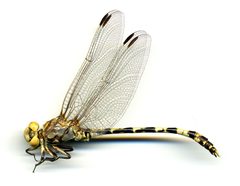
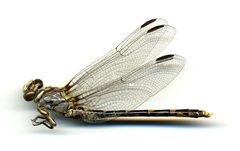
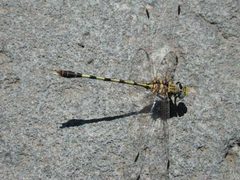
Medium to large dragonfly; adults range from 2.25 to 2.44 inches (57 to 62 mm) in length. Face and thorax are grayish to yellowish brown, with a possibly black-marked thorax. Abdomen is black with yellow markings on each segment and swollen at the tip.
Identification Tips
Look for the characteristic black abdomen with yellow markings. The upturned tip of the abdomen in nymphs and their sandy brown color are also key identification features.
Habitat
Found along sandy streams, rivers, and lakes in desert areas. Nymphs burrow under sandy sediment and swim upstream to escape drought.
Distribution
Found in Arizona, California, Chihuahua, Idaho, Jalisco, New Mexico, Oregon, Texas, U.S. Virgin Islands, and Washington.
Diet
Adults consume soft-bodied flying insects such as mosquitoes, flies, butterflies, moths, mayflies, and flying ants or termites. Nymphs feed on aquatic insects, including mosquito larvae, other fly larvae, mayfly larvae, freshwater shrimp, and occasionally small fish and tadpoles.
Life Cycle
Nymphs emerge as adults during the day, which is unusual for their family. They have a unique respiratory adaptation with an upturned tip of the abdomen used for breathing while burrowed in sand.
Reproduction
Mating occurs before the female lays her eggs by dipping the tip of her abdomen in shallow waters of small streams.
Ecosystem Role
As both nymphs and adults, they play roles in controlling insect populations and serve as prey for larger predators.
Similar Taxa
Tags
- Odonata
- Gomphidae
- Gray Sanddragon
- Progomphus borealis