
Lanthus
Needham, 1897
Pygmy Clubtails
Species Guides
2- Lanthus parvulus(Northern Pygmy Clubtail)
- Lanthus vernalis(southern pygmy clubtail)
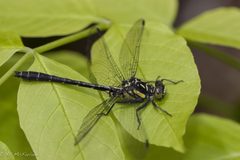
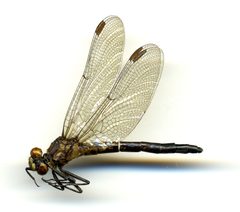
Lanthus is a of small club-tailed dragonflies in the Gomphidae. Members are commonly called pygmy clubtails and are found in eastern North America and Japan. The genus includes three recognized , including the northern pygmy clubtail (L. parvulus) and southern pygmy clubtail (L. vernalis).
Pronunciation
How to pronounce Lanthus: //ˈlænθəs//
These audio files are automatically generated. While they are not always 100% accurate, they are a good starting point.
Identification
Small-bodied gomphids with clear wings and black bodies marked with yellow. The clubbed tip is less pronounced than in larger clubtail . within the genus are distinguished by geographic range and subtle morphological differences in abdominal patterning.
Images
Habitat
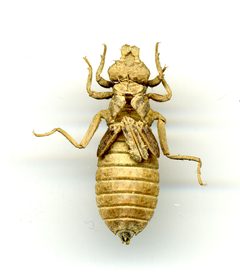
Associated with small, clear streams and rivers, often in forested settings. Larvae inhabit sandy or gravelly substrates in flowing water.
Distribution
Eastern North America and Japan. In North America, ranges from the northeastern United States south to the Appalachian region.
Seasonality
are active in spring and early summer. Lanthus vernalis emerges in early spring (vernalis = "of spring"), while L. parvulus is active slightly later.
Life Cycle
Hemimetabolous development with aquatic larval stage. Larvae burrow in stream substrates and emerge as after multiple years.
Ecological Role
Larvae are in stream benthic . are aerial predators of small flying insects.
Similar Taxa
More Details
Taxonomic note
The disjunct distribution in eastern North America and Japan is unusual for Odonata and suggests a relictual biogeographic pattern. Lanthus fujiacus is to Japan, while L. parvulus and L. vernalis are North American endemics.