
Basiaeschna
Selys, 1883
springtime darner
Species Guides
1- Basiaeschna janata(Springtime Darner)
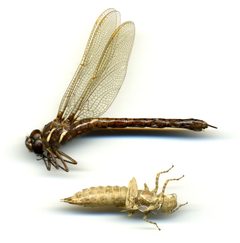
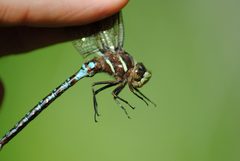
Basiaeschna is a of in the Aeshnidae, containing the single extant Basiaeschna janata, commonly called the springtime darner. The genus is notable for its early seasonal period and distinctive bluish coloration. A fossil species, †Basiaeschna alaskaensis, has been described from the Paleocene-Eocene boundary in Alaska, providing evidence of the genus's ancient presence in North America and potential trans-Beringian origin.

Pronunciation
How to pronounce Basiaeschna: /ˌbeɪsiˈɛsknə/
These audio files are automatically generated. While they are not always 100% accurate, they are a good starting point.
Identification
The is distinguished from other darners (Aeshnidae) primarily by the combination of small body size, bluish coloration, and early spring . Basiaeschna janata is the only extant , making genus-level identification equivalent to species recognition in modern contexts. Fossil species require specialized paleontological examination for definitive assignment.
Images
Distribution
Extant occur in North America. The fossil record documents presence in Alaska during the Paleocene-Eocene Thermal Maximum, with the potentially originating from Eurasian ancestors that migrated across Beringia.
Seasonality
fly early in the year, with activity beginning in spring—distinctively earlier than most other darner .
Similar Taxa
- AeshnaOther darners in the Aeshnidae are generally larger, fly later in the season, and lack the specific combination of small size, bluish color, and spring timing seen in Basiaeschna.
- OligaeschnaAn extinct to which two previously misassigned fossil 'Basiaeschna' were transferred; distinguished by morphological features discernible in fossil material.
More Details
Fossil Record
The has one confirmed fossil , †Basiaeschna alaskaensis, from the Chickaloon Formation of Alaska (~56 million years ago). This specimen supports a hypothesis of Eurasian origin with across Beringia. Two other fossil species formerly placed here have been reclassified to †Oligaeschna.