
Natada nasoni
(Grote, 1876)
Nason's Slug Moth, Nason's Slug
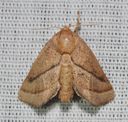
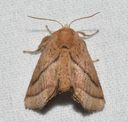
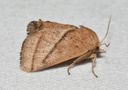
Natada nasoni is a slug in the Limacodidae, distributed across the eastern and central United States from Missouri to the Atlantic coast, with range extending south to the Gulf of Mexico, Mexico, and Rica. The larvae possess stinging spines and feed on smooth-leaved woody plants. are attracted to blacklights.
Pronunciation
How to pronounce Natada nasoni: /nəˈtɑːdə ˈneɪsəni/
These audio files are automatically generated. While they are not always 100% accurate, they are a good starting point.
Identification
Larvae are distinguished by their slug-like form and prominent stinging spines. may be recognized by their placement in the Limacodidae , though specific diagnostic features for separating N. nasoni from require examination of genitalia or other subtle morphological characters.
Images
Habitat
Associated with deciduous forests containing plants including beech, hickory, and hornbeam.
Distribution
United States from Missouri eastward to the Atlantic coast and south to the Gulf of Mexico; also recorded from Mexico and Rica.
Seasonality
have been documented during April in the Kansas City region, suggesting spring activity.
Diet
Larvae feed on smooth-leaved woody plants including beech (Fagus), hickory (Carya), and hornbeam (Carpinus). feeding habits are not documented.
Behavior
are and attracted to artificial light sources. Larvae bear stinging spines, indicating a defensive function.
Ecological Role
Larval herbivore in deciduous forest ; stinging spines suggest defense against vertebrate .
Human Relevance
Larvae possess stinging spines that may cause skin irritation upon contact. Occasionally documented in citizen science events such as the City Nature Challenge.
Similar Taxa
- Other LimacodidaeSlug larvae share the characteristic slug-like body form and many possess stinging spines; precise identification to requires detailed examination.