
Cryptophobetron oropeso
Barnes, 1905
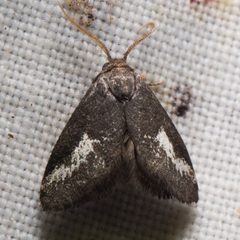
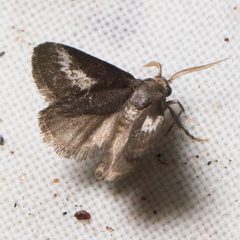
Cryptophobetron oropeso is a of slug caterpillar in the Limacodidae, first described by Barnes in 1905. The Cryptophobetron contains relatively few described species, and members of this group are characterized by reduced wing venation and distinctive larval . This species is part of the diverse Zygaenoidea superfamily, which includes many species with chemical defenses and urticating larvae.
Pronunciation
How to pronounce Cryptophobetron oropeso: /ˌkrɪptoʊfəˈbiːtrɒn ˌɔːrəˈpeɪsoʊ/
These audio files are automatically generated. While they are not always 100% accurate, they are a good starting point.
Identification
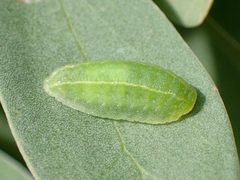
of Cryptophobetron oropeso can be distinguished from related Limacodidae by the combination of reduced wing venation typical of the Cryptophobetron and specific genitalic characters described in the original description. The genus name Cryptophobetron refers to the concealed or reduced nature of certain wing structures. Larvae, if they follow the pattern, would be slug-like in form with reduced , though specific larval descriptions for this species appear undocumented in readily available literature.
Images
Distribution
Recorded from the southwestern United States, with iNaturalist observations primarily from Arizona and adjacent regions. The type locality and precise range boundaries require verification from primary taxonomic literature.
Similar Taxa
- Other Cryptophobetron species-level similarity in wing venation and overall ; specific identification requires examination of genitalia
- Other Limacodidae genera-level resemblance in size and general form; Cryptophobetron distinguished by reduced wing venation and specific structural characters