
Cryptophobetron
Dyar, 1905
Species Guides
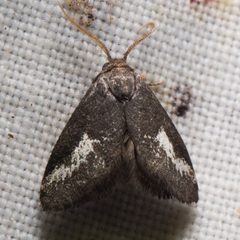
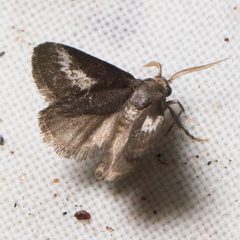
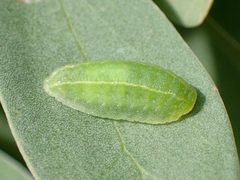
1Cryptophobetron is a of slug caterpillar moths in the Limacodidae, established by Harrison G. Dyar in 1905. The genus contains found in the Neotropical region. Like other limacodids, members of this genus are characterized by their distinctive larval —caterpillars with reduced or absent that move with a slug-like gliding motion. The genus is relatively small and poorly documented in published literature compared to better-known limacodid genera.
Pronunciation
How to pronounce Cryptophobetron: /ˌkrɪptoʊfəˈbiːtrɒn/
These audio files are automatically generated. While they are not always 100% accurate, they are a good starting point.
Identification
of Cryptophobetron can be distinguished from other Limacodidae by genitalia characters and wing pattern elements, though specific diagnostic features require examination. The genus name, combining Greek roots suggesting 'hidden fear of heights,' may allude to cryptic resting postures or associations. Larvae, when known, exhibit the reduced structure typical of the , with abdominal prolegs replaced by adhesive suckers.
Images
Distribution
Neotropical region. Records indicate presence in Central and South America, though precise range boundaries remain poorly documented.
Similar Taxa
- Other Limacodidae generaMany Neotropical limacodid share similar wing patterns and larval slug-like ; definitive separation requires examination of male genitalia and detailed wing venation.
More Details
Taxonomic history
The was erected by Dyar in 1905 based on material from Central America. The type and included species have been subject to revision, with some species transferred to or from related genera. Modern phylogenetic studies of Limacodidae have not yet fully resolved relationships within this genus.