
Cycloplasis
Clemens, 1864
Species Guides
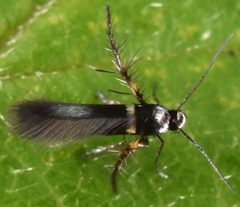
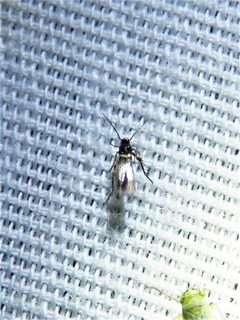
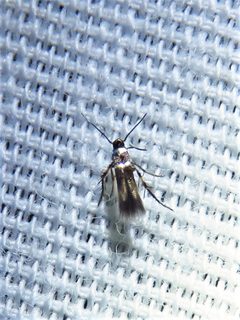
2Cycloplasis is a of small in the Heliodinidae, first described by James Brackenridge Clemens in 1864. Members of this genus are part of the diverse Yponomeutoidea superfamily, a group of microlepidoptera characterized by reduced wing venation and often metallic coloration. The genus contains relatively few described , and many aspects of its remain poorly documented.
Pronunciation
How to pronounce Cycloplasis: //saɪ.kləˈpleɪ.sɪs//
These audio files are automatically generated. While they are not always 100% accurate, they are a good starting point.
Identification
Cycloplasis are small with wingspans generally under 15 mm. Diagnostic features include narrow, forewings with reduced venation typical of Heliodinidae, and often metallic or iridescent scaling. The can be distinguished from related heliodinid genera by genitalia , particularly in males where the valvae and structure show characteristic configurations.
Images
Distribution
of Cycloplasis have been recorded from North America, with occurrence records primarily from the eastern and central United States. The appears to be restricted to the Nearctic region.
Similar Taxa
- HeliodinesBoth belong to Heliodinidae and share small size, narrow wings, and metallic scaling. Cycloplasis differs in genitalia structure and often has more subdued coloration.
- LithariapteryxAnother Nearctic heliodinid with similar wing shape. Cycloplasis is distinguished by forewing pattern elements and male genitalia .