Phaecasiophora
Grote, 1873
Species Guides
3- Phaecasiophora confixana(Macramé Moth)
- Phaecasiophora inspersa
- Phaecasiophora niveiguttana(labyrinth moth)
Phaecasiophora is a of tortricid moths established by Grote in 1873, comprising approximately 35 described distributed primarily across Asia and North America. The genus belongs to the Olethreutinae, a group commonly known as olethreutine . At least one species, Phaecasiophora fernaldana, has been intercepted at U.S. ports of entry, indicating potential for human-mediated . The genus shows notable diversity in the Oriental region, with multiple species described from Thailand, China, and surrounding areas.
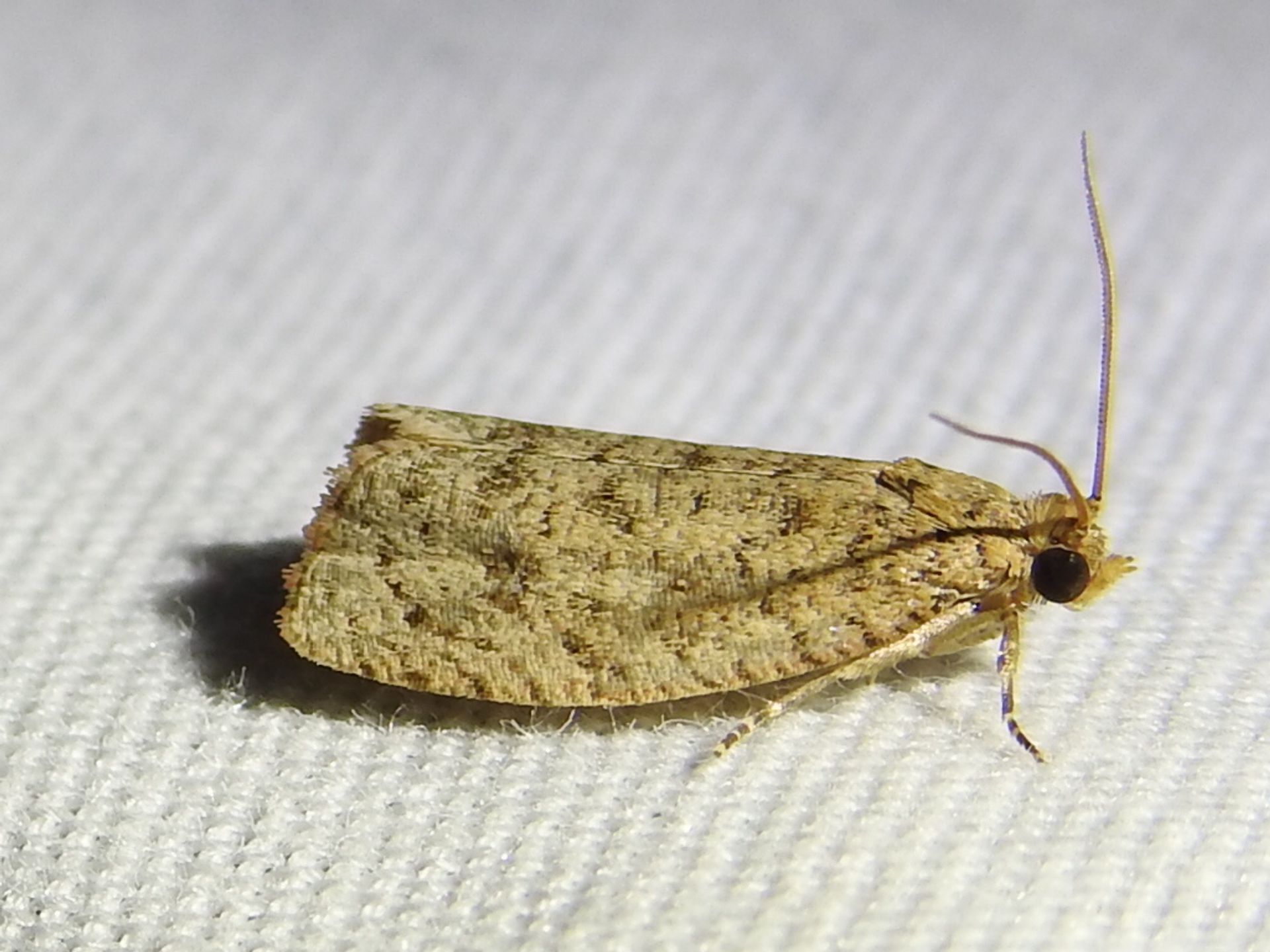
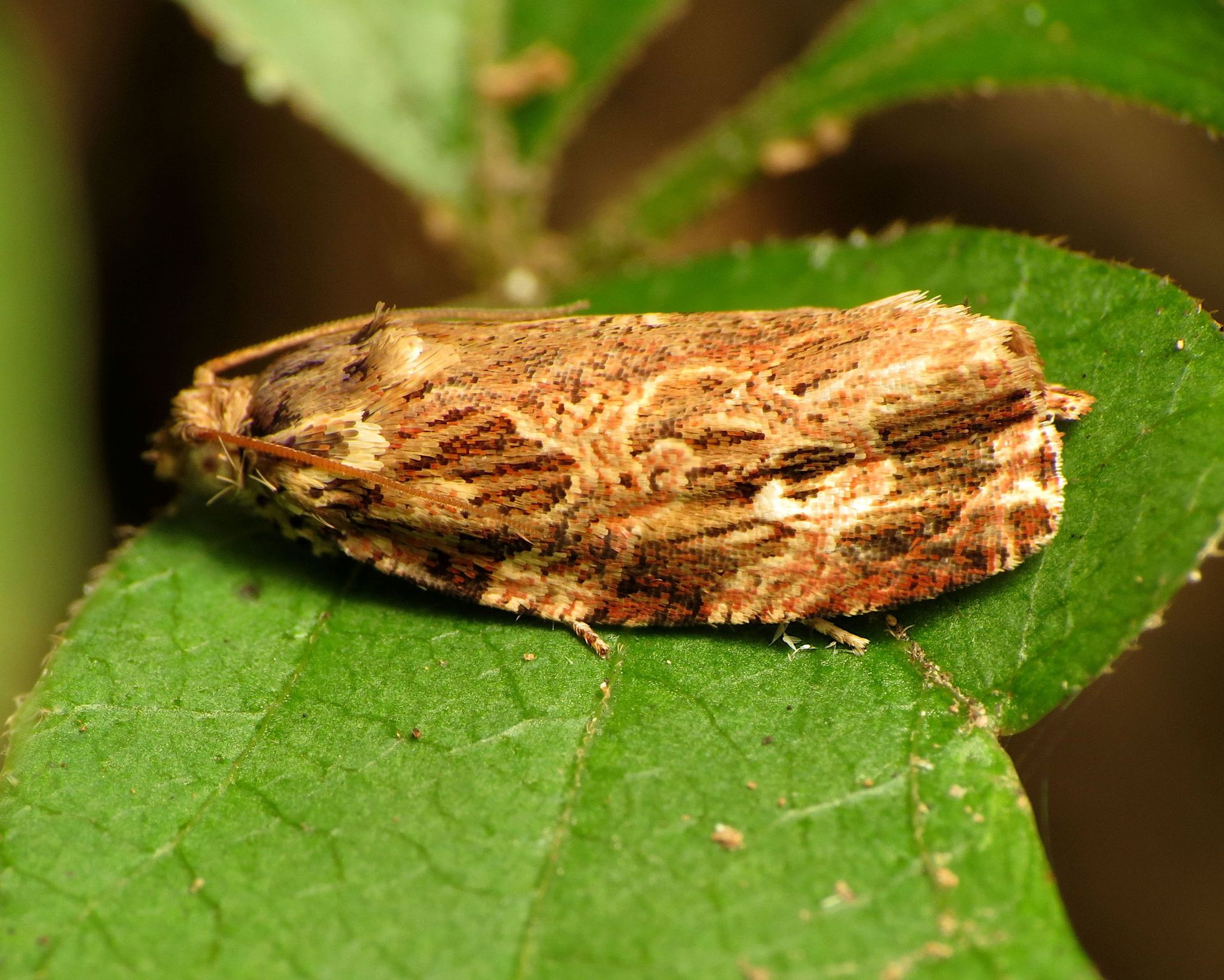
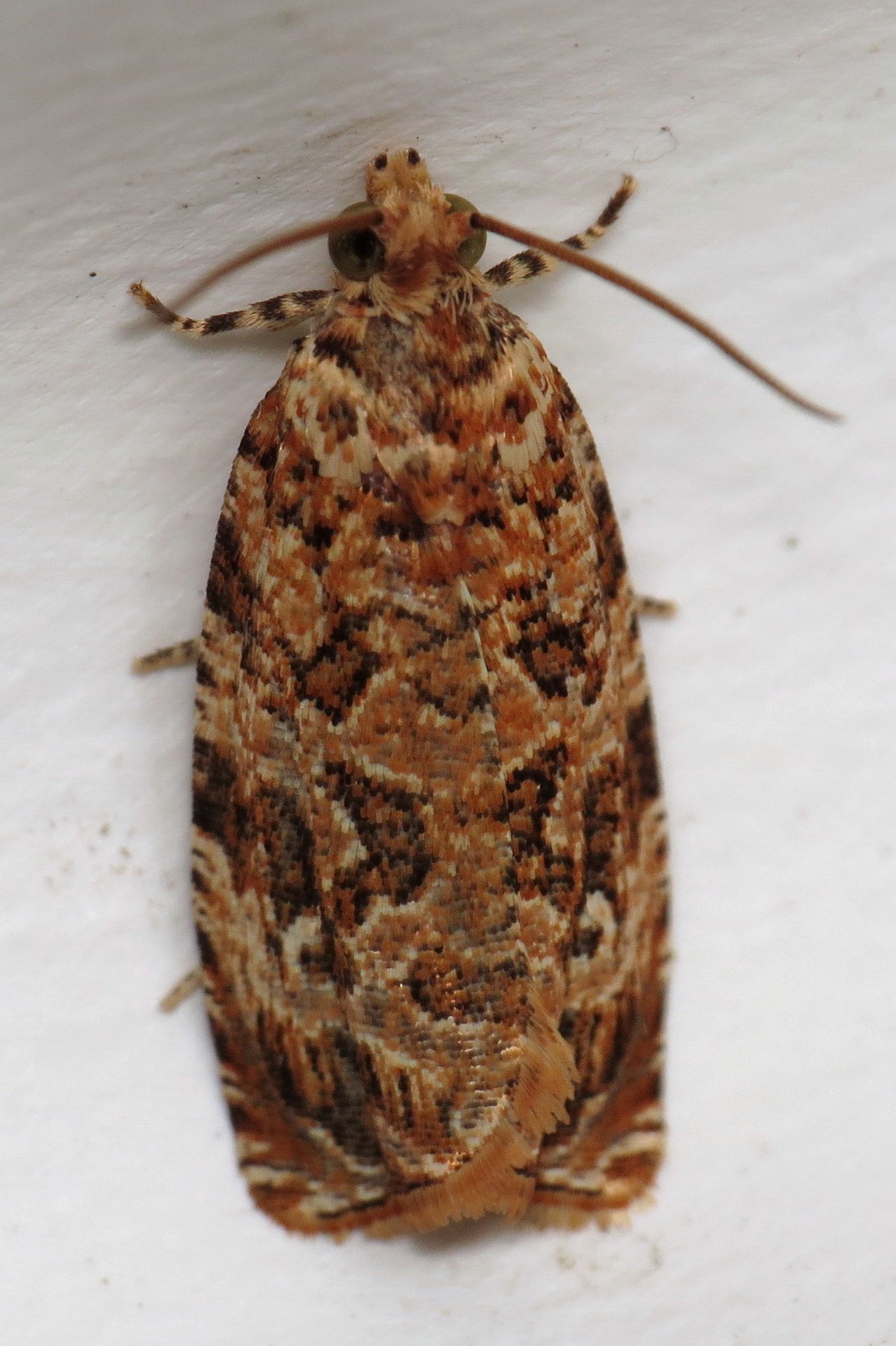
Pronunciation
How to pronounce Phaecasiophora: /ˌfiː.kəˌsaɪəˈfɔːrə/
These audio files are automatically generated. While they are not always 100% accurate, they are a good starting point.
Identification
Members of Phaecasiophora can be distinguished from other Olethreutinae by genitalic characteristics, particularly features of the male valva and female sterigma. Specific diagnostic traits vary among ; for example, P. fernaldana exhibits distinctive forewing markings that facilitate recognition. Accurate identification to species level typically requires dissection and examination of genitalia rather than reliance on external alone.
Images
Distribution
of Phaecasiophora occur in Asia (including China, Thailand, Japan, and surrounding regions) and North America. The shows highest diversity in the Oriental region, with numerous species described from Southeast Asia. At least one species, P. fernaldana, has been intercepted at the U.S.-Canada border in New York, though this represents an anthropogenic introduction rather than established presence.
Human Relevance
Phaecasiophora fernaldana has been identified as a potential agricultural pest. This is known to feed on apple (Malus), including buds, leaves, and shoots. In October 2014, U.S. Customs and Border Protection intercepted P. fernaldana in a shipment originating from China at the Lewiston Bridge border crossing in Buffalo, New York. This marked the first recorded detection of the species in the United States and the western hemisphere. The interception triggered re-exportation of the infested shipment and highlights the 's potential as an threat to orchard crops.
Similar Taxa
- OlethreutesBoth belong to Olethreutinae and share general forewing pattern elements; Phaecasiophora typically shows more pronounced costal markings and differs in male genitalic structure, particularly the shape of the sacculus and cucullus.
- GatesclarkeanaAsian of both can occur sympatrically; Phaecasiophora species generally lack the prominent fasciae and ocellate hindwing patterns characteristic of Gatesclarkeana.
More Details
Taxonomic history
The was established by Augustus Radcliffe Grote in 1873 with Phaecasiophora niveiguttana as the type . Subsequent revisions by Diakonoff (1959, 1973, 1983), Razowski (2009), and Yu & Li (2006) expanded the genus considerably, particularly with additions from the Oriental fauna.
Invasive potential
The interception of P. fernaldana demonstrates that Phaecasiophora can be transported internationally via commercial shipping. The association of at least one species with apple suggests that the warrants monitoring for potential establishment in temperate fruit-growing regions outside its native range.