Paralobesia liriodendrana
(Kearfott, 1904)
tulip-tree leaftier moth
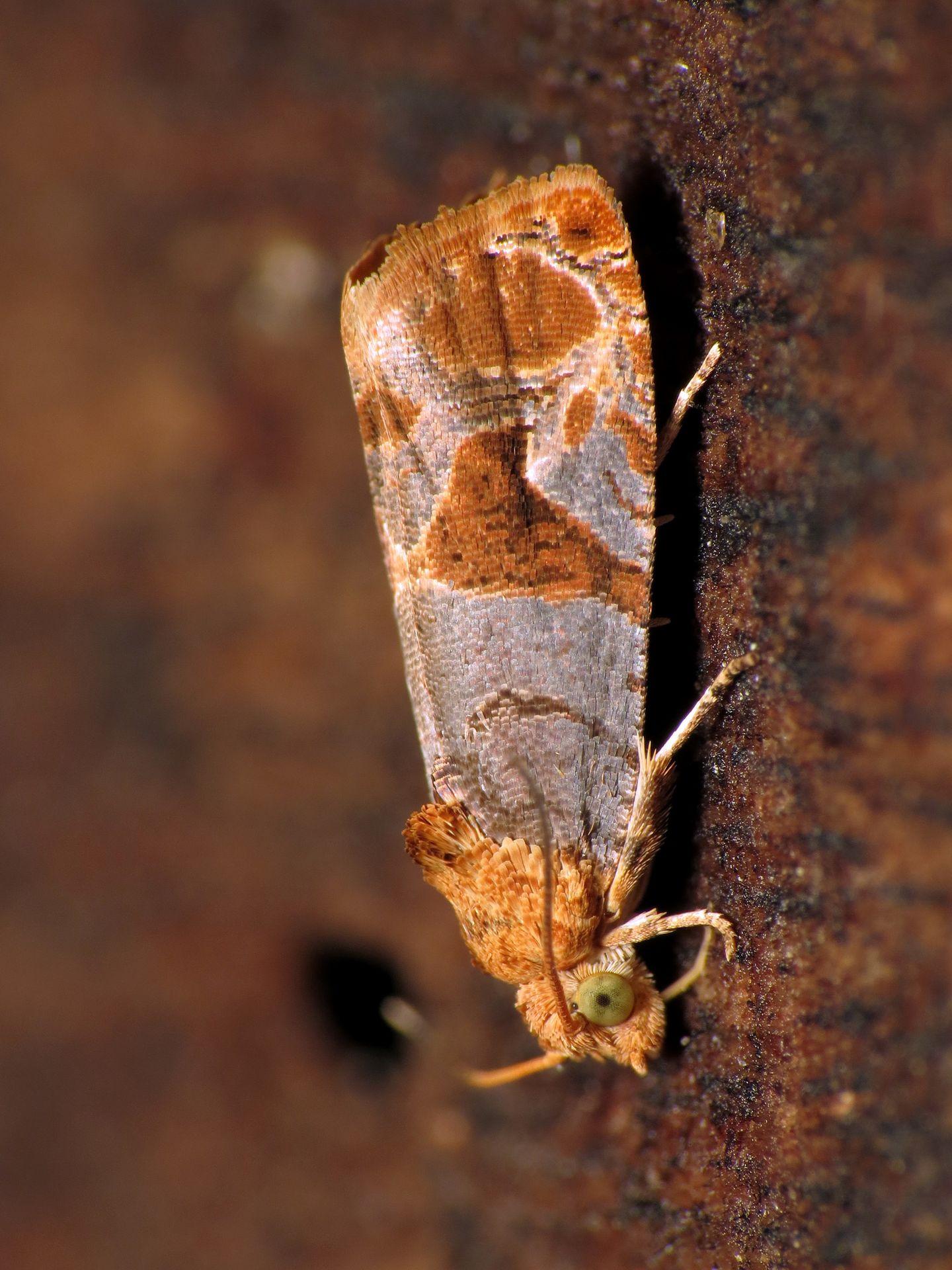
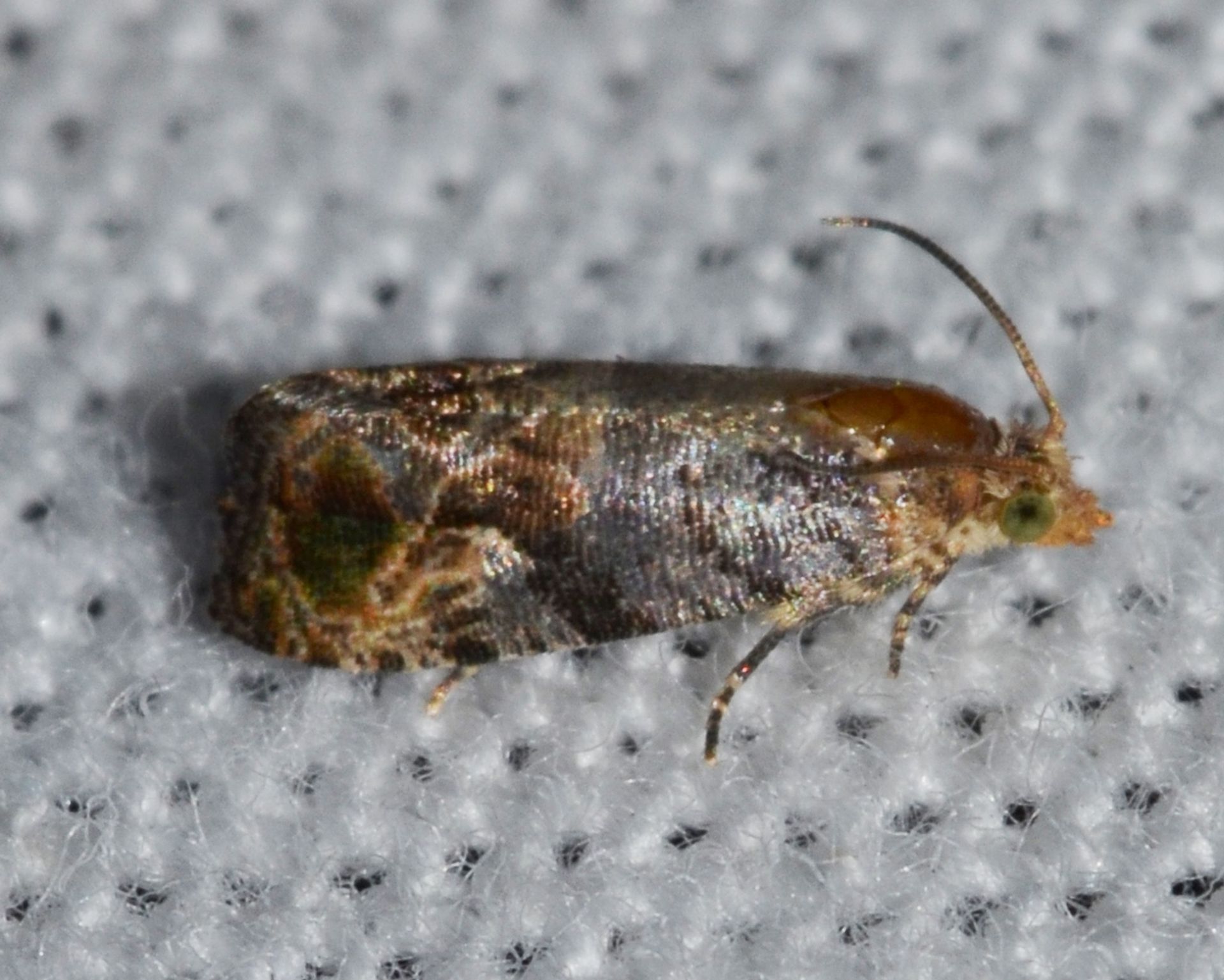
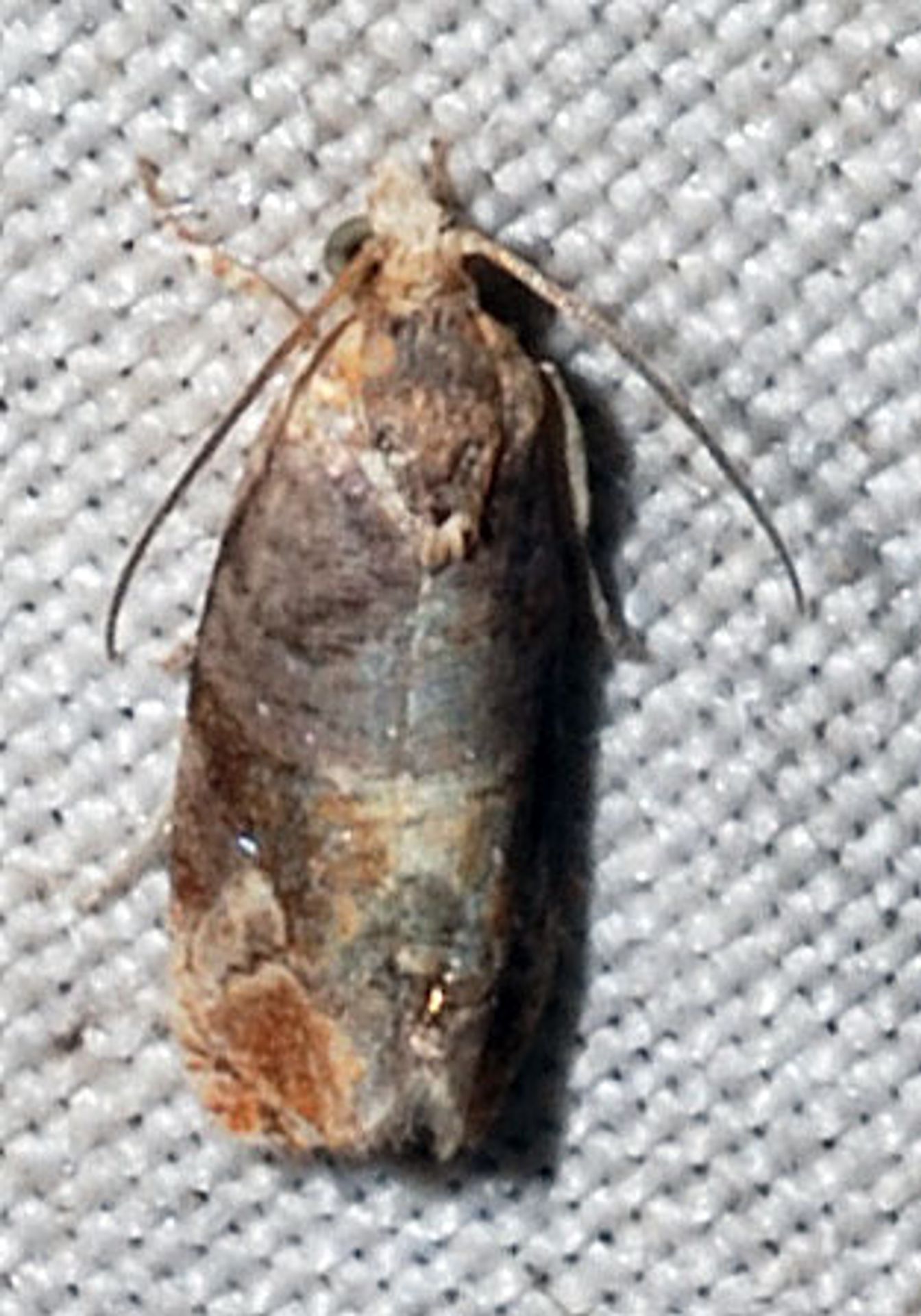
Paralobesia liriodendrana, the tulip-tree leaftier , is a tortricid moth described by Kearfott in 1904. The species is associated with tulip trees (Liriodendron), as indicated by its specific epithet. It belongs to the Olethreutinae within the diverse Tortricidae , which includes many economically significant agricultural pests.
Pronunciation
How to pronounce Paralobesia liriodendrana: //ˌpærəloʊˈbiːziə ˌlaɪriəˈdɛndrənə//
These audio files are automatically generated. While they are not always 100% accurate, they are a good starting point.
Identification
The can be distinguished from congeneric species by its association with tulip tree and specific wing pattern characteristics typical of Paralobesia. The MONA/Hodges number 2711 provides a standardized reference for North American lepidopterists. Separation from the closely related grape berry moth (Paralobesia viteana) requires examination of host association and subtle morphological differences in genitalia.
Images
Habitat
Associated with tulip tree (Liriodendron tulipifera) stands, occurring in deciduous forests and wooded areas where this tree is present.
Distribution
Eastern North America, corresponding to the native range of its plant Liriodendron tulipifera.
Diet
Larval feeding has been observed on tulip tree (Liriodendron tulipifera).
Host Associations
- Liriodendron tulipifera - larval plantSpecific epithet and indicate this association
Similar Taxa
- Paralobesia viteanaCongeneric with similar ; distinguished by association with grape (Vitis) versus tulip tree, and minor genitalic differences
More Details
Nomenclature
Originally described as Polychrosis liriodendrana by Kearfott in 1904, later transferred to Paralobesia. The MONA ( of North America) or Hodges number 2711 provides a stable identifier for this in North American faunal works.