Eucosmomorpha nearctica
Miller, 2002
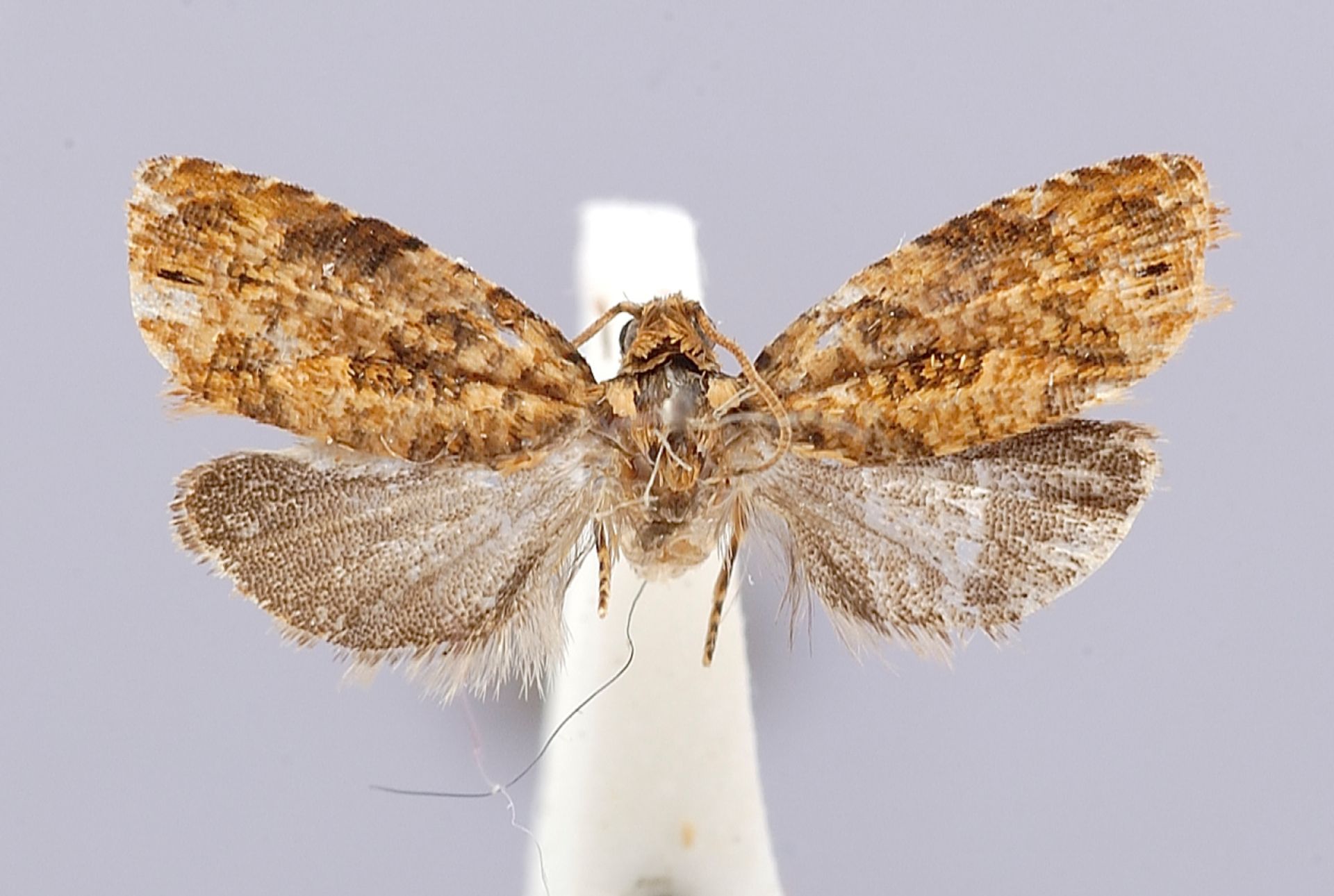
Eucosmomorpha nearctica is a small tortricid described by Miller in 2002. It belongs to the Olethreutinae and tribe Enarmoniini. The species is known from limited localities in North America, with documented records spanning from the southeastern United States to central Canada.
Pronunciation
How to pronounce Eucosmomorpha nearctica: /juːˌkɒzməˈmɔːrfə nɪˈɑːrktɪkə/
These audio files are automatically generated. While they are not always 100% accurate, they are a good starting point.
Identification
The can be identified by its small forewing length (3.8–5.5 mm) and geographic occurrence. Distinguishing E. nearctica from and similar small Olethreutinae likely requires examination of genitalia ; the original species description (Miller, 2002) should be consulted for definitive identification. The specific epithet 'nearctica' refers to its Nearctic distribution.
Images
Distribution
Documented from Kentucky, Michigan, Mississippi, North Carolina, and Saskatchewan. The disjunct distribution pattern suggests the may occur more broadly across eastern and central North America, though additional survey work is needed to confirm its full range.
Similar Taxa
- Eucosmomorpha albersanaCongeneric ; comparison of genitalia and forewing measurements required for separation
- Other small Olethreutinae in EnarmoniiniSimilar size and general ; identification relies on subtle wing pattern differences and genitalia structure
More Details
Taxonomic History
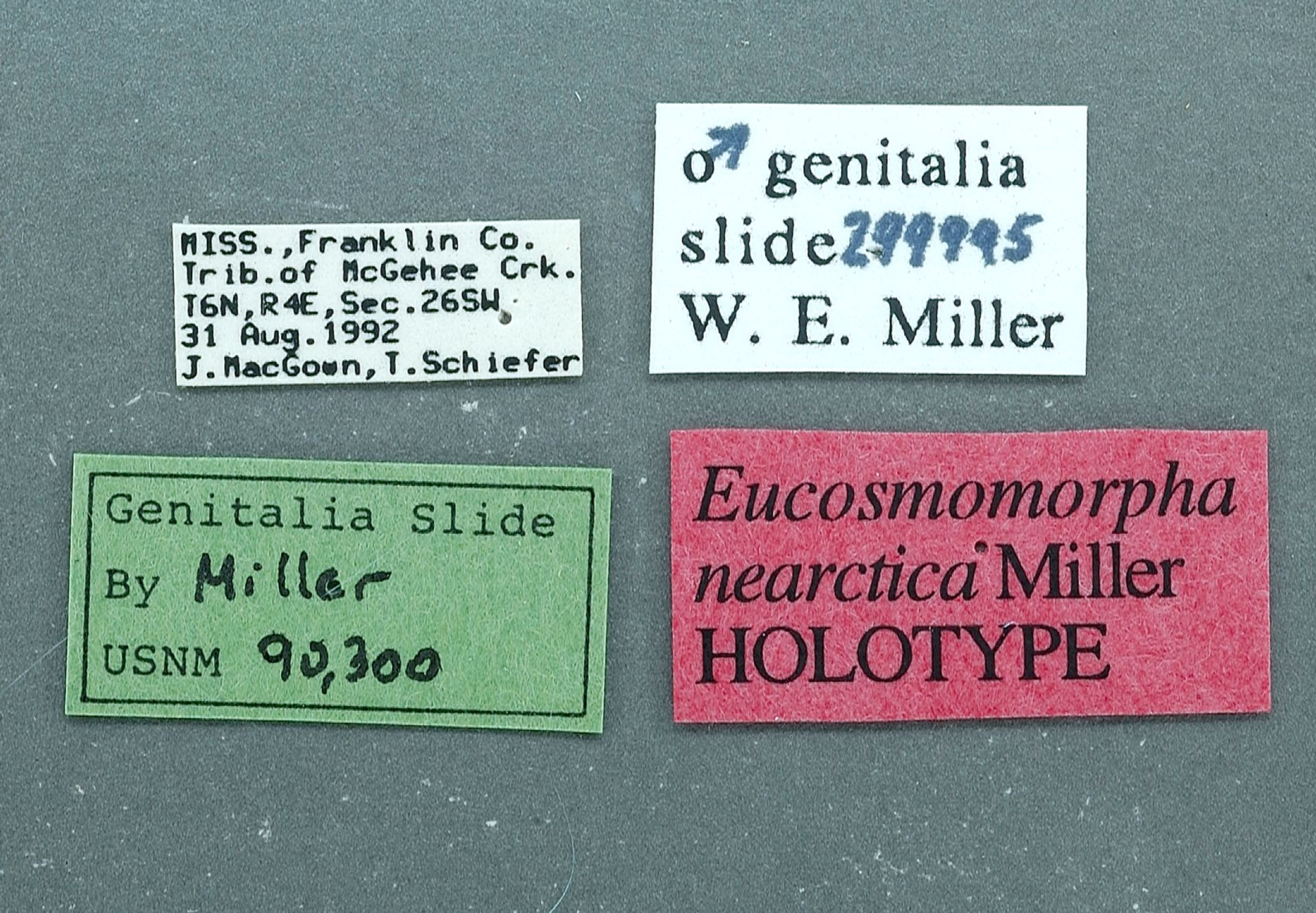
Eucosmomorpha nearctica was described as a new by Miller in 2002, representing a relatively recent addition to the North American tortricid fauna. The Eucosmomorpha was established by Obraztsov in 1951.
Research Needs
Basic biological information including larval plants, , and associations remain undocumented. The original description provides morphological details necessary for identification.