Lindera tessellatella
Blanchard, 1852
Bran moth
Lindera tessellatella is a small in the Tineidae, the sole in the Lindera. It is notable for its exceptionally broad geographic distribution across six continents, having been recorded from South America, Africa, Europe, North America, Australia, New Zealand, Fiji, and Hawaii. The species was first described by Émile Blanchard in 1852 from South America, with the genus established two years later. have a wingspan of 20–30 mm.
Pronunciation
How to pronounce Lindera tessellatella: /lɪnˈdɛrə tɛsɛlˈlætɛlə/
These audio files are automatically generated. While they are not always 100% accurate, they are a good starting point.
Identification
Images
Appearance
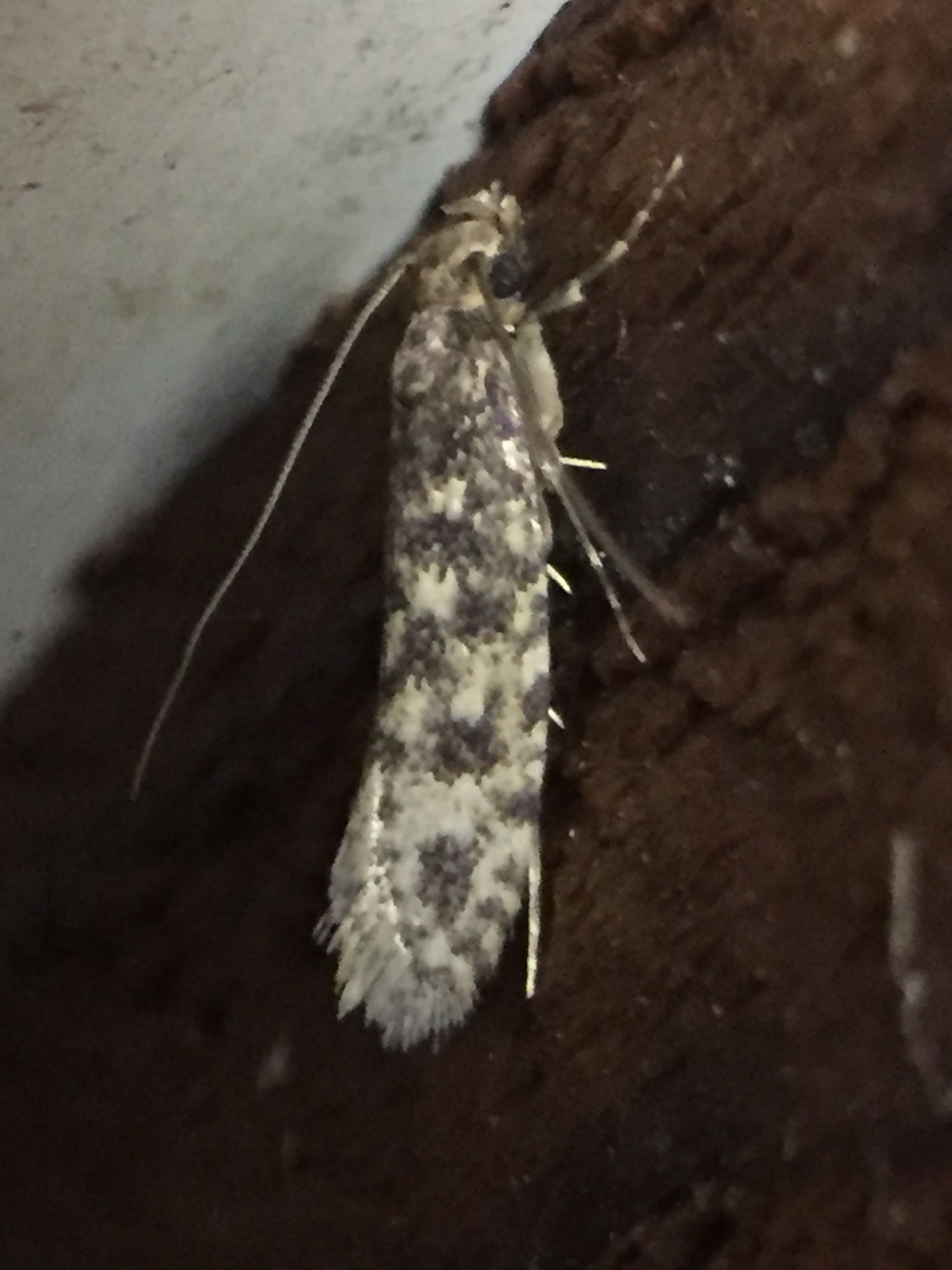
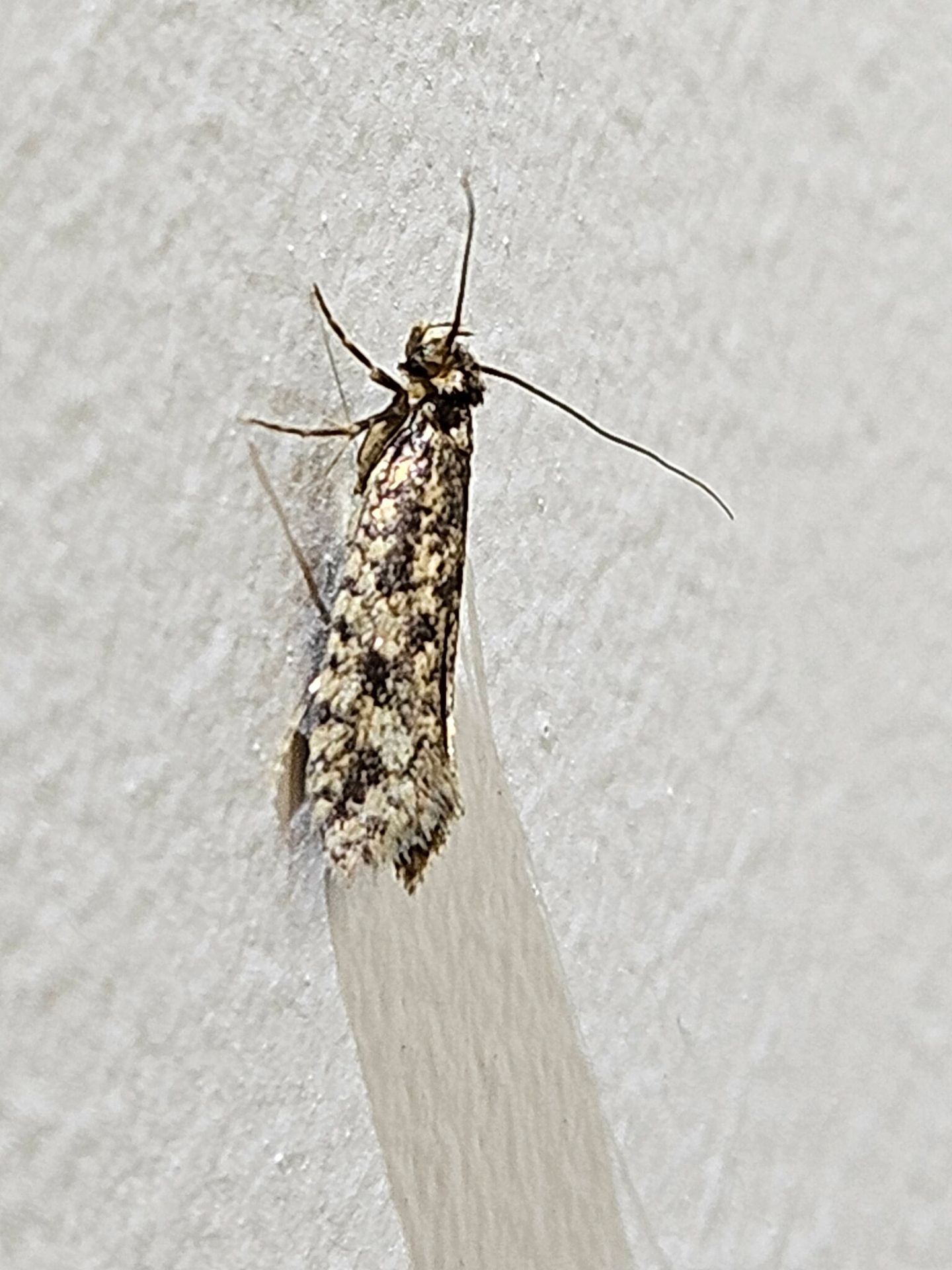
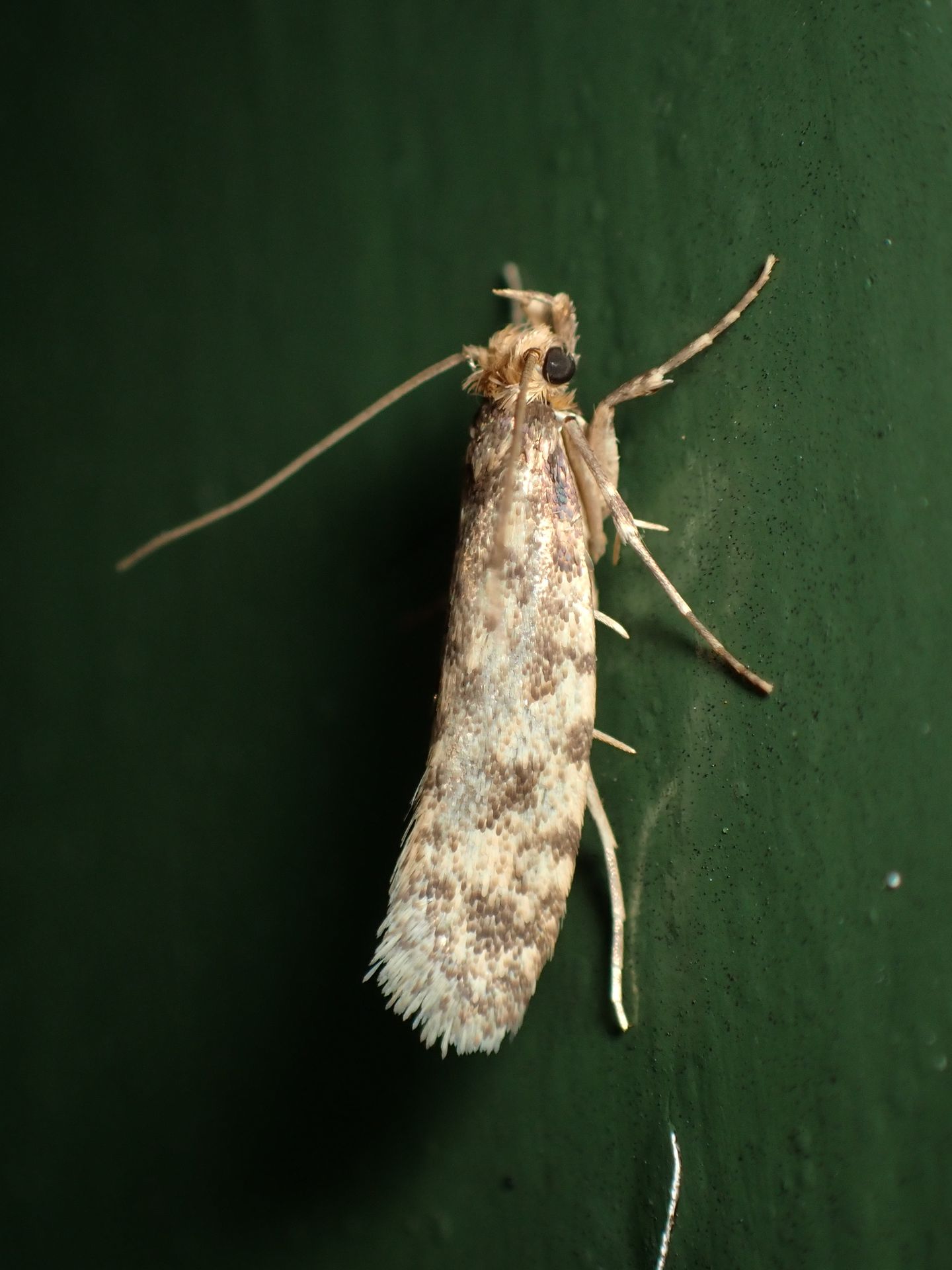
have a wingspan of 20–30 mm. The name 'tessellatella' suggests a checkered or tessellated wing pattern, though specific coloration details are not well documented in available sources. As a member of Tineidae, it likely has the characteristic narrow, elongated wings and relatively small body typical of clothes moths and related species.
Distribution
Widely distributed across six continents. First described from South America. Documented occurrences include Africa, Europe, North America, Australia, New Zealand, Fiji, and Hawaii. GBIF records confirm presence in Chile, Denmark, and Hawaii, with absence noted in Sweden.
Similar Taxa
- Other Tineidae speciesSimilar small size and general ; requires genitalic examination or molecular data for definitive separation.
More Details
Taxonomic history
The was described by Émile Blanchard in 1852, two years before he established the Lindera in 1854. This reverse chronology—species described before its containing genus—is unusual but valid under zoological . The genus remains , with no additional species described in the nearly 170 years since its establishment.
Cosmopolitan distribution
The ' presence on multiple continents and oceanic islands (Hawaii, Fiji, New Zealand) suggests either exceptional capability, human-mediated transport, or possible cryptic masked under a single name. The mechanism behind this distribution pattern has not been critically examined.