Hypsopygia binodulalis
Zeller, 1872
Pink-fringed Dolichomia Moth
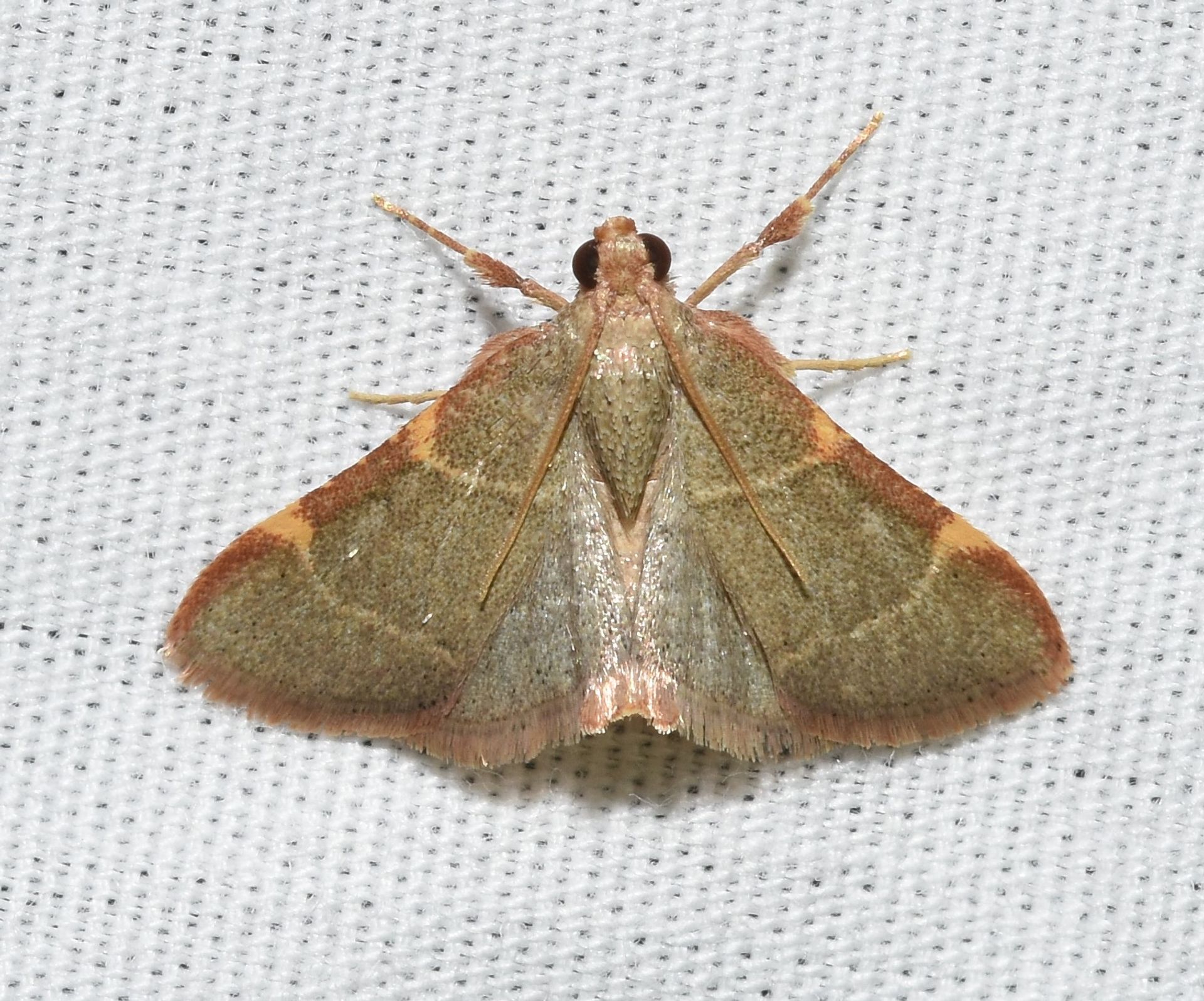
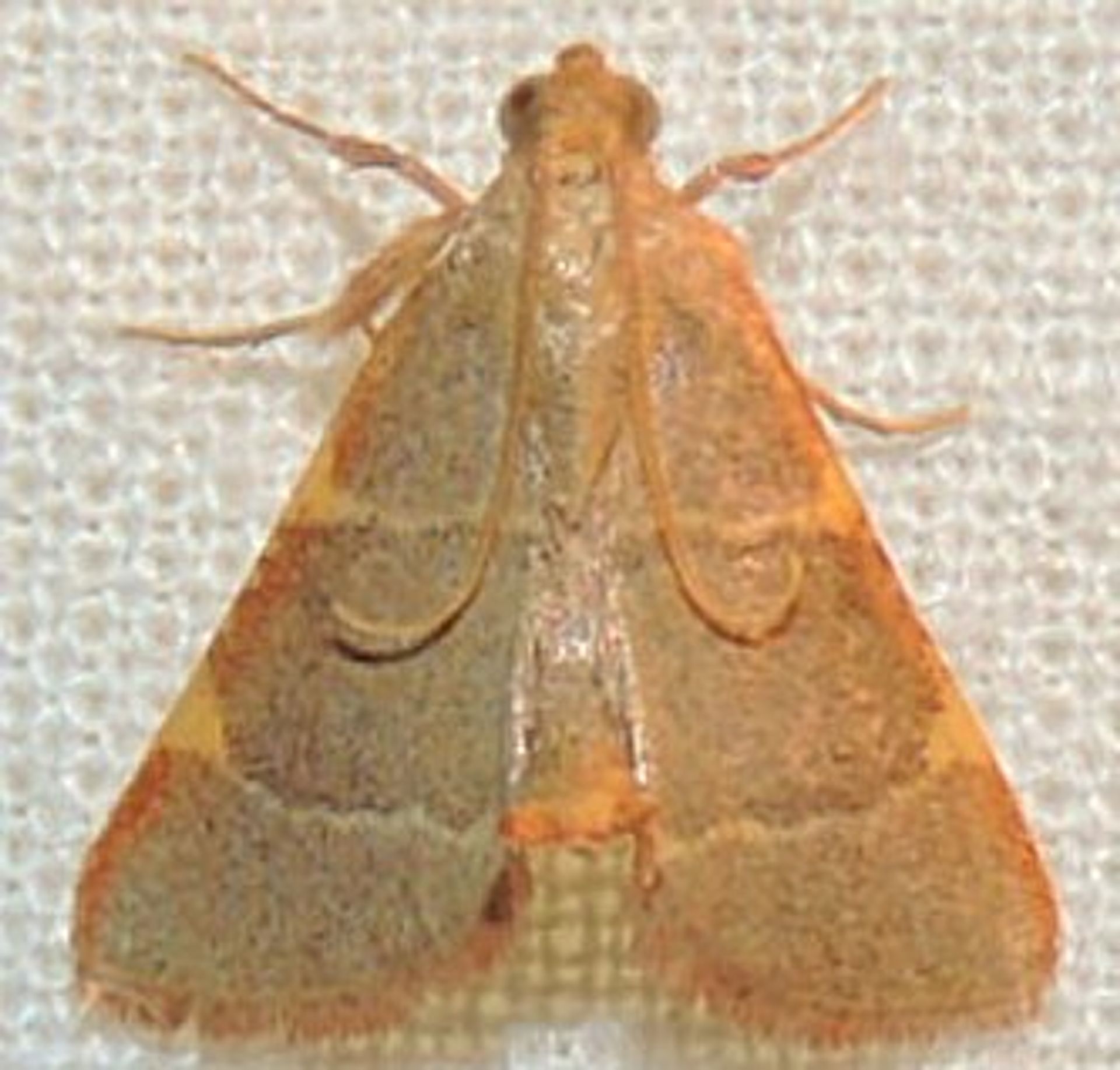
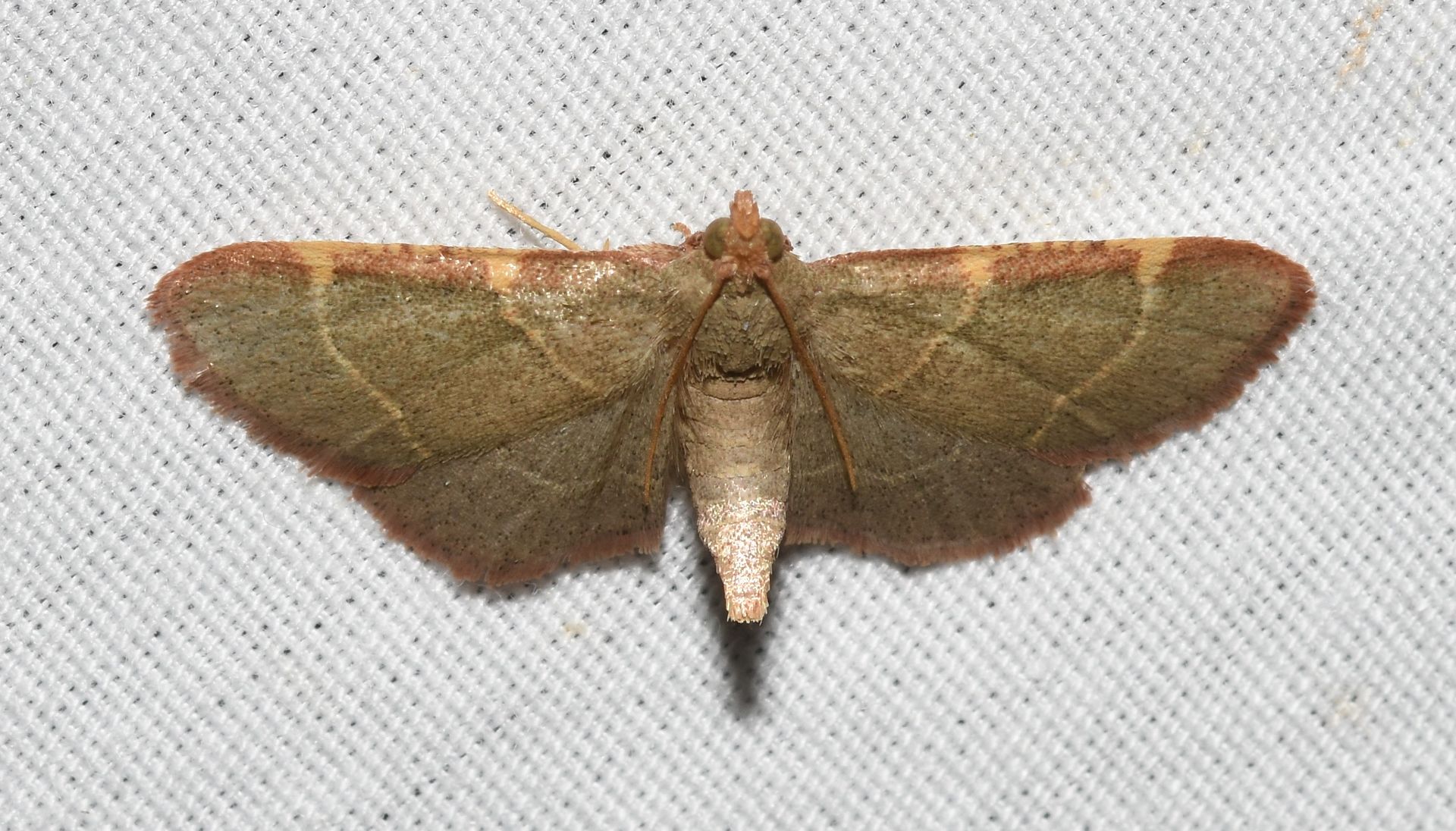
Hypsopygia binodulalis, commonly known as the pink-fringed dolichomia , is a small snout moth in the Pyralidae. First described by Philipp Christoph Zeller in 1872, this species was formerly placed in the Dolichomia, which explains its . The species is found across the southeastern and south-central United States. Its remains poorly documented.
Pronunciation
How to pronounce Hypsopygia binodulalis: /hɪpˌsɒˈpɪdʒiə bɪˌnoʊdjuˈlælɪs/
These audio files are automatically generated. While they are not always 100% accurate, they are a good starting point.
Identification
This can be distinguished from similar Hypsopygia species by its specific wing pattern and the presence of pinkish fringes. However, detailed diagnostic features are not well documented. The Hypsopygia contains multiple similar species, and precise identification may require examination of genitalia or other subtle morphological characters. The species was formerly placed in the genus Dolichomia, which may cause confusion in older literature.
Images
Distribution
Southeastern and south-central United States. Documented from Texas to Florida, and in Georgia, Maryland, New Mexico, North Carolina, Oklahoma, Pennsylvania, South Carolina, Tennessee, and West Virginia.
Behavior
have been observed at blacklight, indicating activity and attraction to artificial light sources.
Similar Taxa
- Other Hypsopygia speciesMultiple congeneric exist in the same geographic range; precise identification requires careful examination of morphological details.
More Details
Taxonomic History
This was formerly classified in the Dolichomia, which is reflected in its retained 'pink-fringed dolichomia '. The genus Hypsopygia has undergone taxonomic revision, and some sources may still use the older combination.
Biological Knowledge Gap
As noted by entomological observers, 'little is known of its ' regarding larval plants, , and ecological requirements.