
Aglossa
Latreille, 1796
Tabby Moths
Species Guides
10- Aglossa acallalis
- Aglossa baba
- Aglossa cacamica
- Aglossa caprealis(Stored grain moth)
- Aglossa costiferalis(Calico Pyralid)
- Aglossa cuprina(grease moth)
- Aglossa disciferalis(Pink-masked Pyralid Moth)
- Aglossa electalis
- Aglossa furva
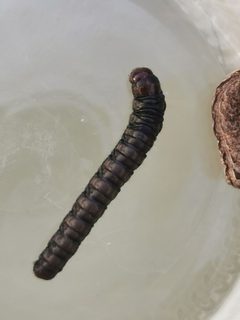
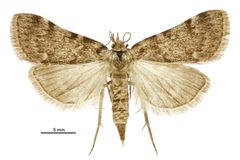
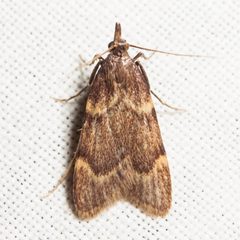
Aglossa is a of small in the Pyralidae, established by Pierre André Latreille in 1796. The genus is notable for unusual larval feeding habits, with some consuming non-plant materials including dead insects, manure, and straw. One species, A. pinguinalis, has been experimentally confirmed as . The genus is predominantly western Eurasian in distribution, though some species have been introduced to other regions.
Pronunciation
How to pronounce Aglossa: /əˈɡlɒsə/
These audio files are automatically generated. While they are not always 100% accurate, they are a good starting point.
Images
Habitat
Caves and sheltered environments for some ; A. pinguinalis larvae occur primarily inside caves where they are approximately 700 times more abundant than in open field conditions. The occupies diverse including stored grain facilities and natural shelters.
Distribution
Western Eurasia primarily; some introduced elsewhere. Specific distribution records include Denmark, Norway, Sweden, and Vermont, USA.
Diet
Larvae of some feed on dead insects, manure, straw, and excrement. A. pinguinalis larvae are confirmed coprophages, feeding primarily on mammalian (98% of observed diet) with no recorded consumption of plant detritus. A. signicostalis larvae are myrmecophilous. of A. cuprina have been observed consuming fats such as suet.
Life Cycle
A. pinguinalis requires two years to complete larval development. Larvae construct silk tubes connecting food sources with shelter chambers.
Behavior
Larvae of A. pinguinalis construct silk tubes linking food sources to shelter chambers. of A. cuprina exhibit atypical feeding for Lepidoptera by consuming solid fats.
Ecological Role
Nutrient cycling through consumption of detritus and fecal matter; in A. pinguinalis contributes to decomposition processes in cave .
Human Relevance
A. caprealis is known as the stored grain and is a pest of stored products. A. cuprina, the grease moth, feeds on fats and can be a nuisance in food storage.