Zamagiria
Dyar, 1914
Species Guides
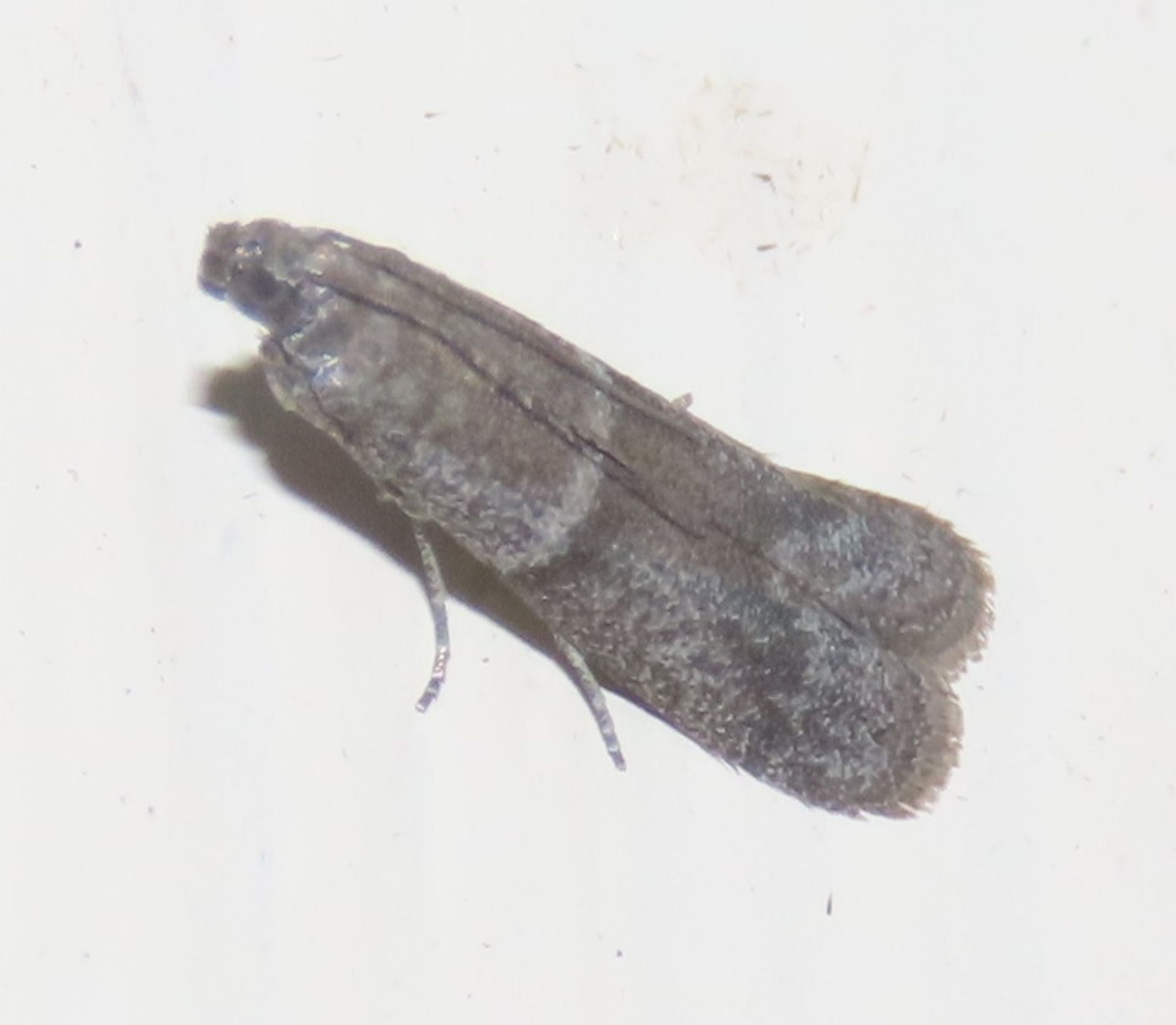
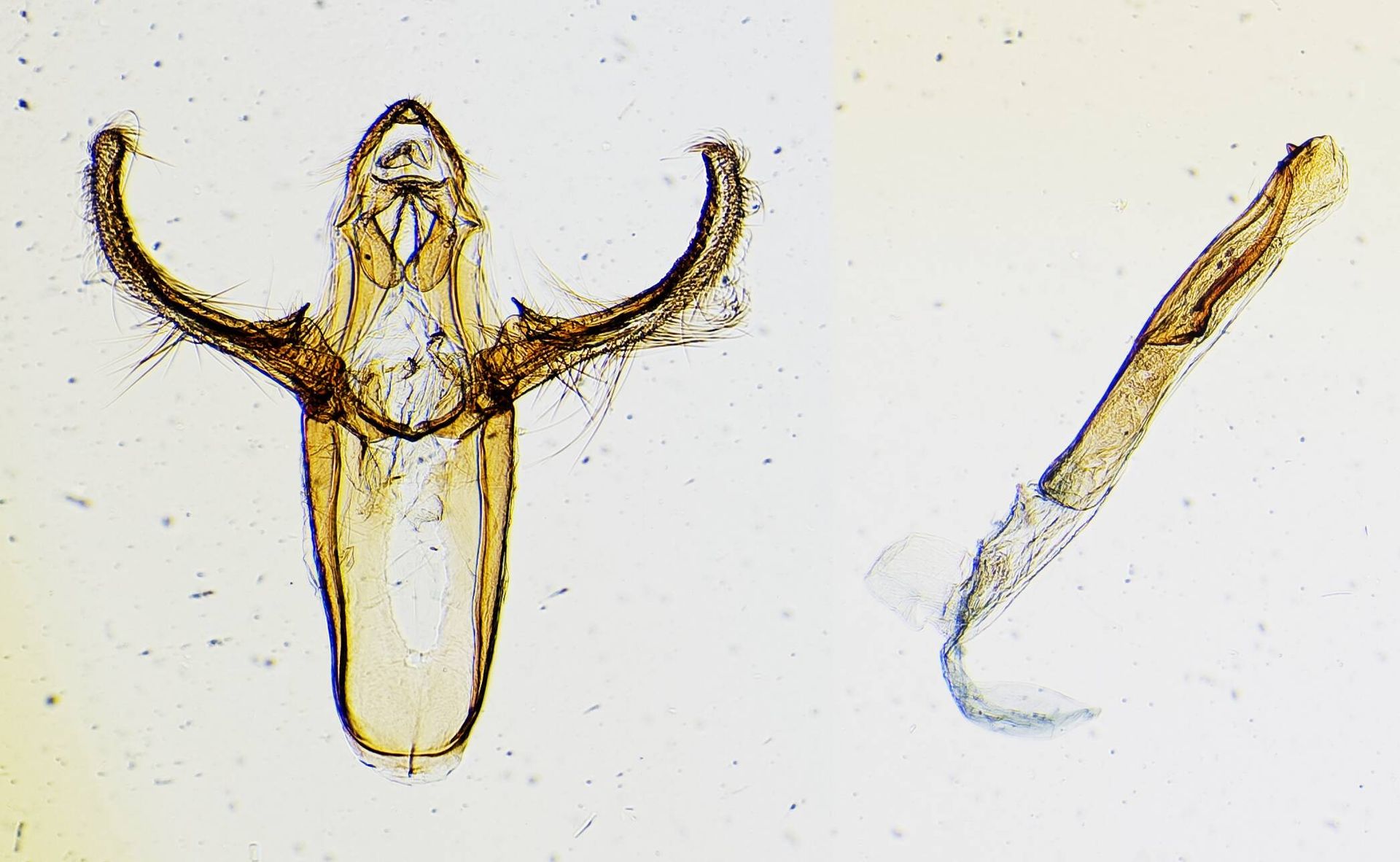
3Zamagiria is a of small pyralid moths in the Phycitinae. The genus remains unassigned to any tribe within Phycitinae due to uncertain phylogenetic relationships. It is predominantly Neotropical in distribution, with most described from Central and South America. Females of at least one species (Z. dixolophella) exhibit calling using acoustic signals to attract mates.

Pronunciation
How to pronounce Zamagiria: /zæməˈɡɪriə/
These audio files are automatically generated. While they are not always 100% accurate, they are a good starting point.
Identification
Distinguished from other Phycitinae by the unique configuration of forewing 4 and 5 (nearly connecting at base) and hindwing veins 4 and 5 (connected along half their length), combined with the absence of forewing vein 7. The 11-veined forewing and small size are additional field marks.
Images
Appearance
Small with distinctive wing venation: forewing with 11 (vein 7 absent), veins 4 and 5 nearly connecting at the base; hindwing with veins 4 and 5 connected along approximately half their length.
Distribution
Almost exclusively Neotropical. Most occur in Central and South America. Zamagiria laidion ranges north to Florida, USA. Zamagiria exedra was described from Nuku Hiva in the Marquesas Islands, though this likely represents an accidental introduction rather than native range.
Behavior
Females of Zamagiria dixolophella have been observed to produce acoustic calling signals to attract males, indicating a mating system involving female-initiated .
More Details
Taxonomic placement
The is currently not assigned to any tribe within Phycitinae due to unresolved phylogenetic relationships.
Marquesas record
The single record of Z. exedra from the Marquesas Islands is considered likely to represent accidental human-mediated introduction rather than natural distribution.