
Tlascala reductella
Walker, 1863
Tlascala Moth
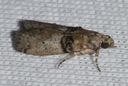
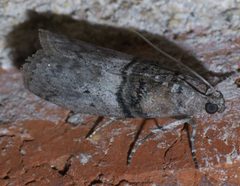
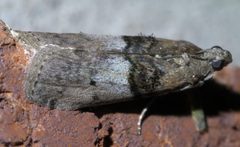
Tlascala reductella is the sole in the snout moth Tlascala, described by George Duryea Hulst in 1890. The species itself was first described by Francis Walker in 1863. It belongs to the Pyralidae, Phycitinae. The species is known from scattered records across eastern North America and Central America.
Pronunciation
How to pronounce Tlascala reductella: /ˈtlaskaˌla rɛdʊkˈtɛla/
These audio files are automatically generated. While they are not always 100% accurate, they are a good starting point.
Identification
As the only in its , Tlascala reductella can be identified by genus-level characters combined with species-specific . The genus is distinguished within Phycitinae by features described by Hulst in 1890. Specific diagnostic traits for distinguishing it from other Phycitinae genera require examination of genitalia and wing pattern details not consistently documented in available sources.
Images
Distribution
Recorded from Florida north to Illinois, Kentucky, and Vermont in the United States; also from Ontario, Canada, and Honduras in Central America. Distribution appears disjunct with scattered records rather than continuous range.
Similar Taxa
- Other Phycitinae generaTlascala is , so -level confusion is absent; however, superficial similarity in size and general pyralid may cause confusion with other Phycitinae snout moths. -level identification requires attention to palp structure and wing venation.
More Details
Taxonomic history
The Tlascala was established by Hulst in 1890 specifically to accommodate this single . The species epithet 'reductella' and the genus name suggest a reduced or simplified relative to related , though this interpretation is speculative without original description access.
Data limitations
Despite 375 iNaturalist observations, published biological and ecological information remains sparse. Most records appear to be opportunistic sightings rather than systematic study.