Salebriaria fasciata
Neunzig, 1988
snout moth
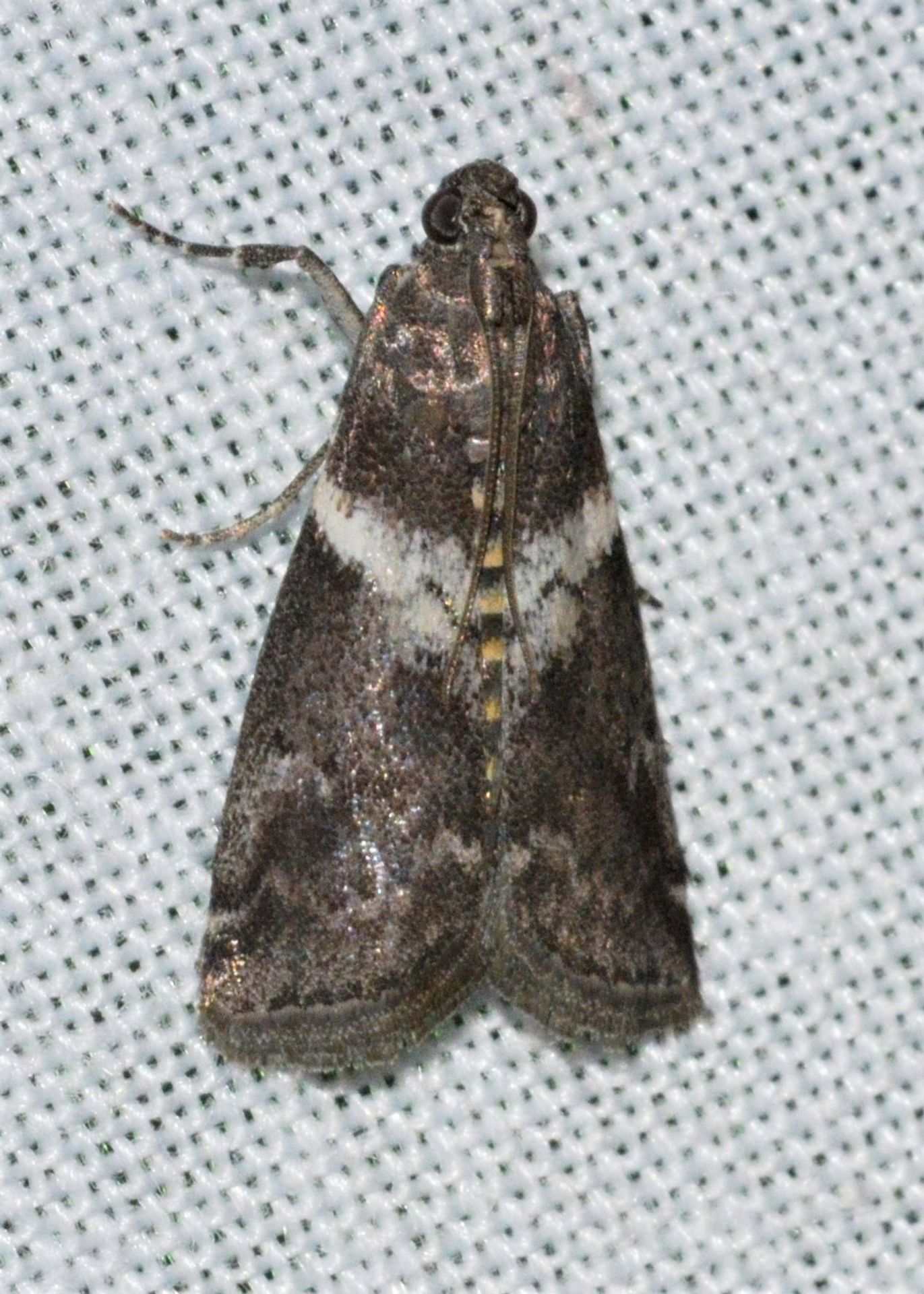
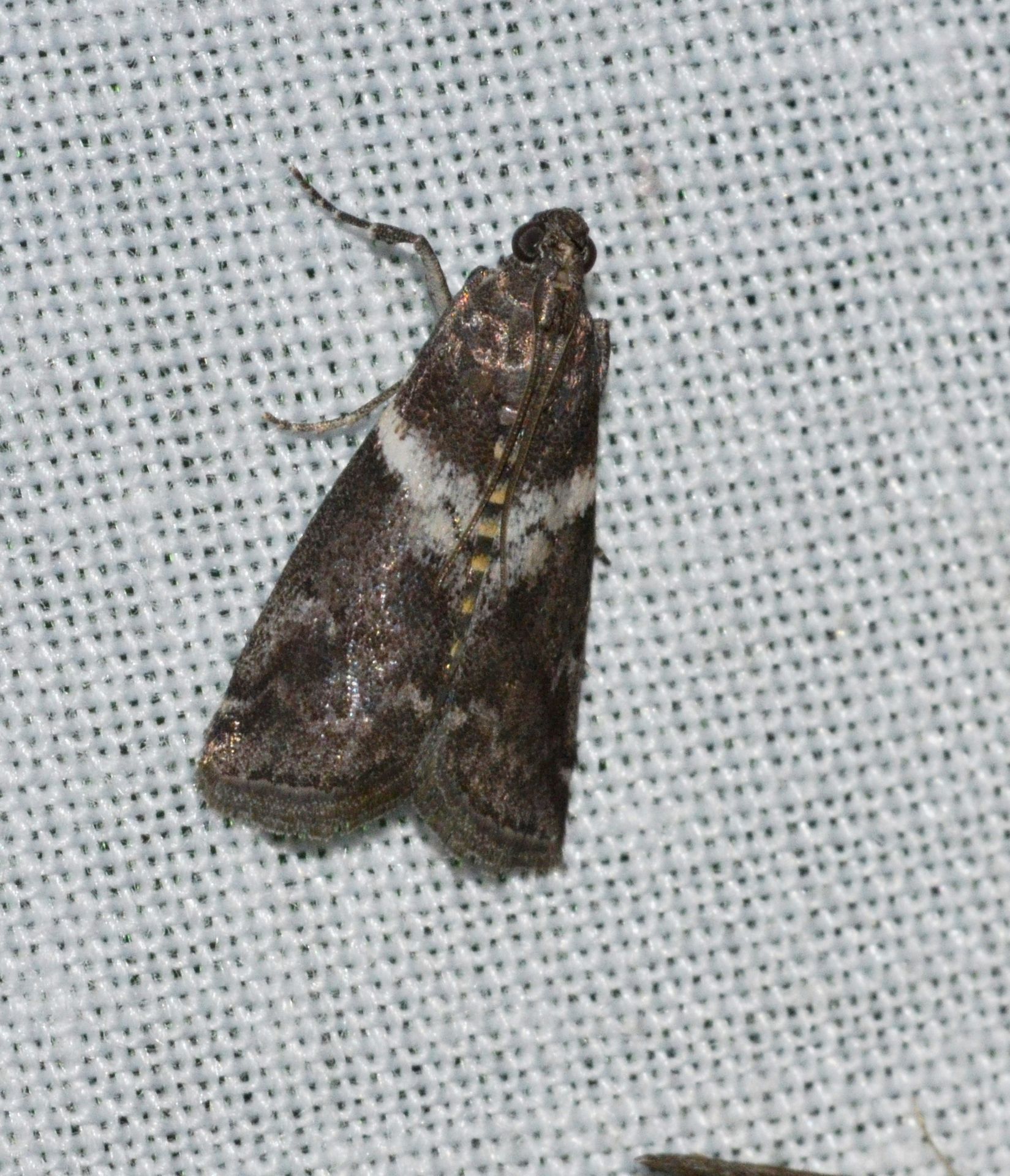
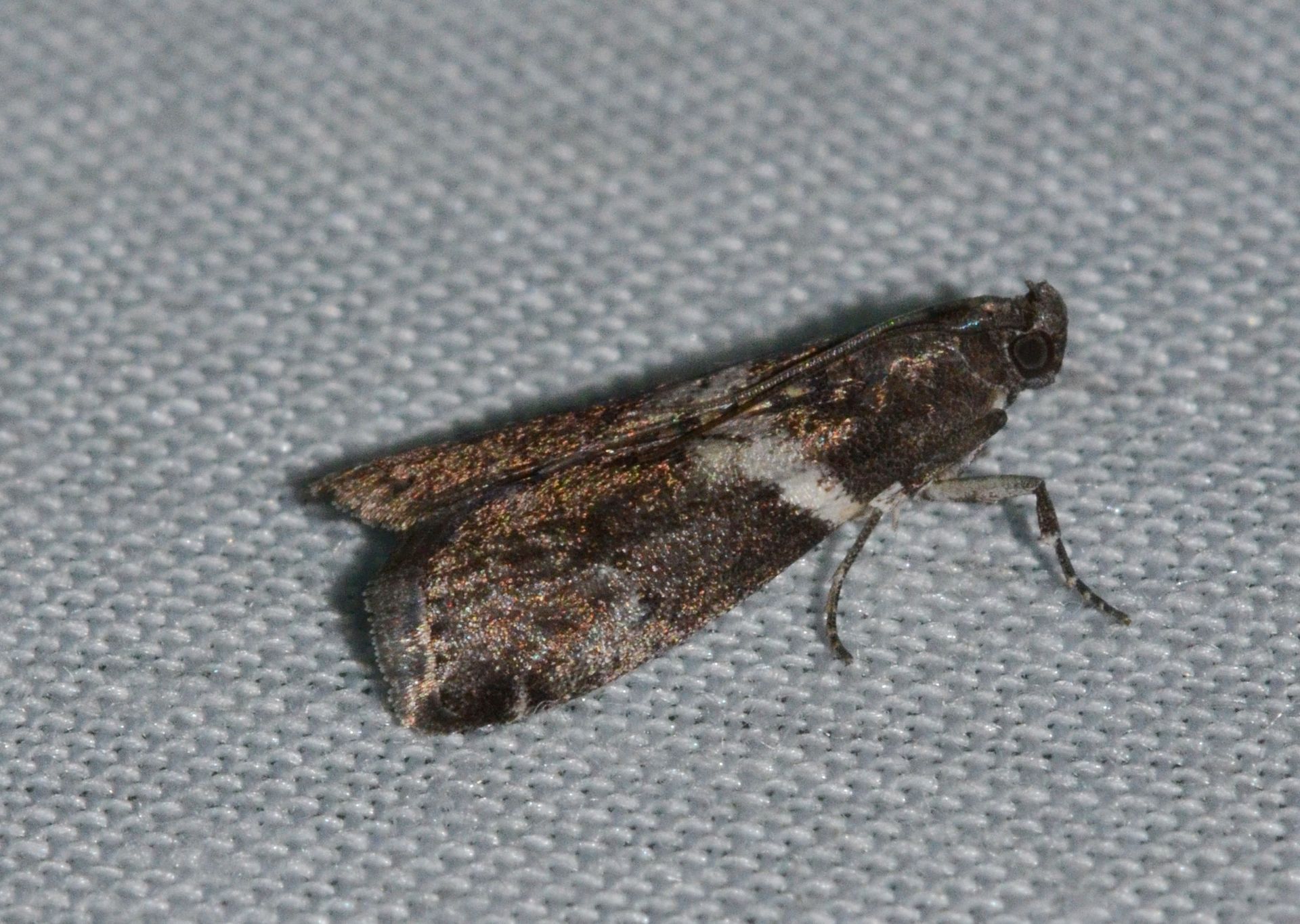
Salebriaria fasciata is a of snout moth in the Pyralidae, described by Neunzig in 1988. The species is distributed across the southeastern and central United States, with records from eleven states. have a wingspan of approximately 22 mm and are active from April through August.
Pronunciation
How to pronounce Salebriaria fasciata: /sæ.ləˈbrɪ.eə fæˈsi.eɪ.tə/
These audio files are automatically generated. While they are not always 100% accurate, they are a good starting point.
Identification
The can be distinguished from related snout moths by its specific geographic distribution and activity period. Definitive identification requires examination of genitalia or molecular analysis, as external morphological features distinguishing it from are not documented in available sources.
Images
Appearance
have a wingspan of approximately 22 mm. As a member of the Pyralidae , it possesses the characteristic elongated labial palps that form a snout-like projection typical of snout moths. No detailed coloration or pattern descriptions are available in the provided sources.
Habitat
Specific preferences are not documented. Based on its distribution across diverse states from Maryland to Texas, the likely occupies general terrestrial habitats common to many pyralid moths, including woodlands, grasslands, and disturbed areas.
Distribution
Recorded from eleven U.S. states: Alabama, Florida, Kentucky, Maryland, Michigan, North Carolina, Oklahoma, South Carolina, Tennessee, Texas, and West Virginia. The distribution spans the southeastern and central United States, with the northernmost records in Michigan and Maryland.
Seasonality
are on wing from April to August, indicating a spring-through-summer adult activity period. The timing suggests a or possibly , though this is not explicitly documented.
Life Cycle
The complete has not been described. Larval stages and plants remain unknown. The April–August period implies larval development occurs during other seasons, but specific timing is undocumented.
Behavior
No specific have been documented beyond the general period.
Human Relevance
No documented economic or agricultural significance. The is not known to be a pest of crops or stored products.
Similar Taxa
- Other Salebriaria species within the Salebriaria share the snout moth and may overlap in distribution; precise differentiation requires examination.
More Details
Taxonomic History
Described by Hans H. Neunzig in 1988. The Salebriaria belongs to the Pyralidae, a large and diverse group of commonly known as snout moths due to their elongated labial palps.
Sources and further reading
- BugGuide
- Wikipedia
- GBIF taxonomy match
- iNaturalist taxon
- NCBI Taxonomy
- Buprestidae | Beetles In The Bush | Page 6
- Meet the Crevice Weaver: A Newly Discovered Urban Spider from Colombia | Blog
- Year of the Horse 2026: A selection of equine-related species to celebrate the Lunar New Year | Blog
- Platystomatidae | Beetles In The Bush