Diastictis ventralis
Grote & Robinson, 1867
white-spotted brown moth
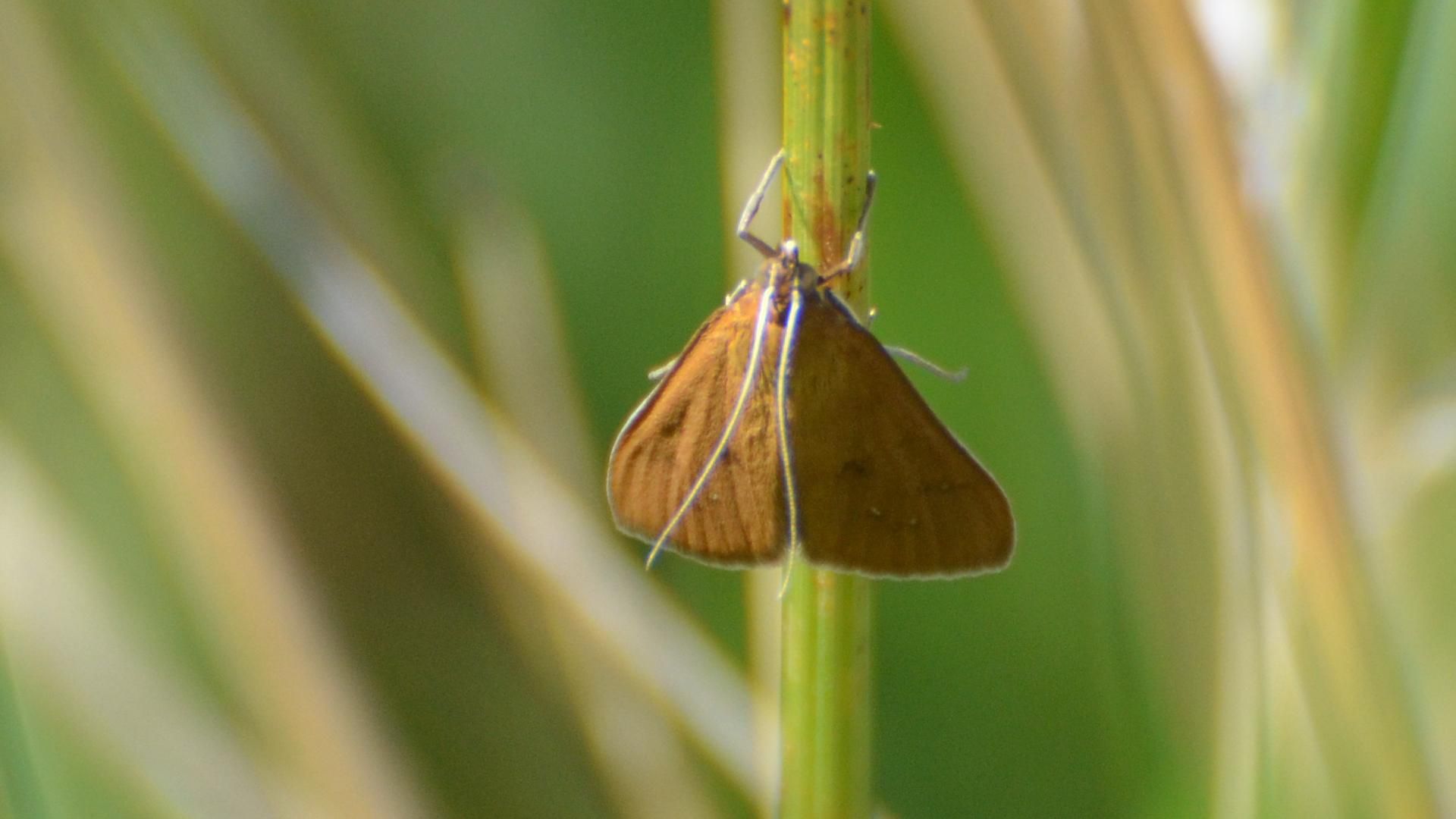
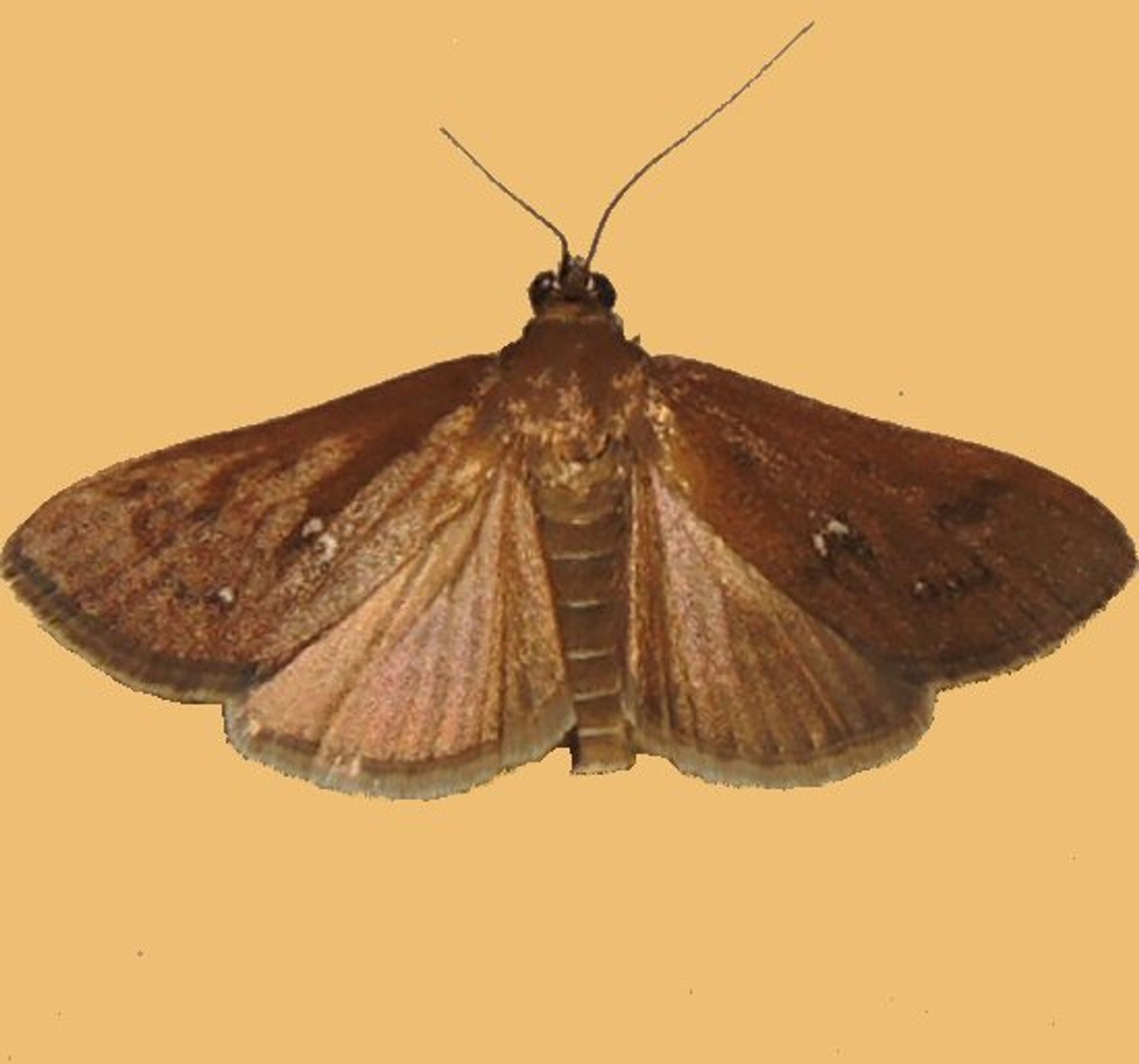
Diastictis ventralis, commonly known as the white-spotted brown , is a small crambid moth found in eastern North America. have a wingspan of approximately 22 mm and are characterized by brown coloration with distinctive white spotting. The has been recorded feeding on flower nectar of Centaurea jacea. Two are recognized: D. v. ventralis in eastern North America and D. v. seamansi in California.
Pronunciation
How to pronounce Diastictis ventralis: /daɪˈæstɪktɪs vɛnˈtrælɪs/
These audio files are automatically generated. While they are not always 100% accurate, they are a good starting point.
Identification
The combination of small size (22 mm wingspan), brown ground color with white spotting, and eastern North American distribution helps distinguish this from similar crambid . The D. v. seamansi in California can be separated from the nominate subspecies by geographic range.
Images
Appearance
Small with wingspan approximately 22 mm. Coloration brown with distinctive white spots. Pattern consistent with typical Spilomelinae .
Distribution
Eastern North America. The nominate D. v. ventralis occurs in eastern North America, while D. v. seamansi is restricted to California. Distribution records also include Alberta, Manitoba, and Saskatchewan in Canada, as well as Vermont in the United States.
Diet
have been recorded feeding on flower nectar of Centaurea jacea (brown knapweed). Larval diet unknown.
More Details
Subspecies
Two are recognized: Diastictis ventralis ventralis (eastern North America) and Diastictis ventralis seamansi Munroe, 1956 (California).