Jativa castanealis
Hulst, 1886
Belted Bantam
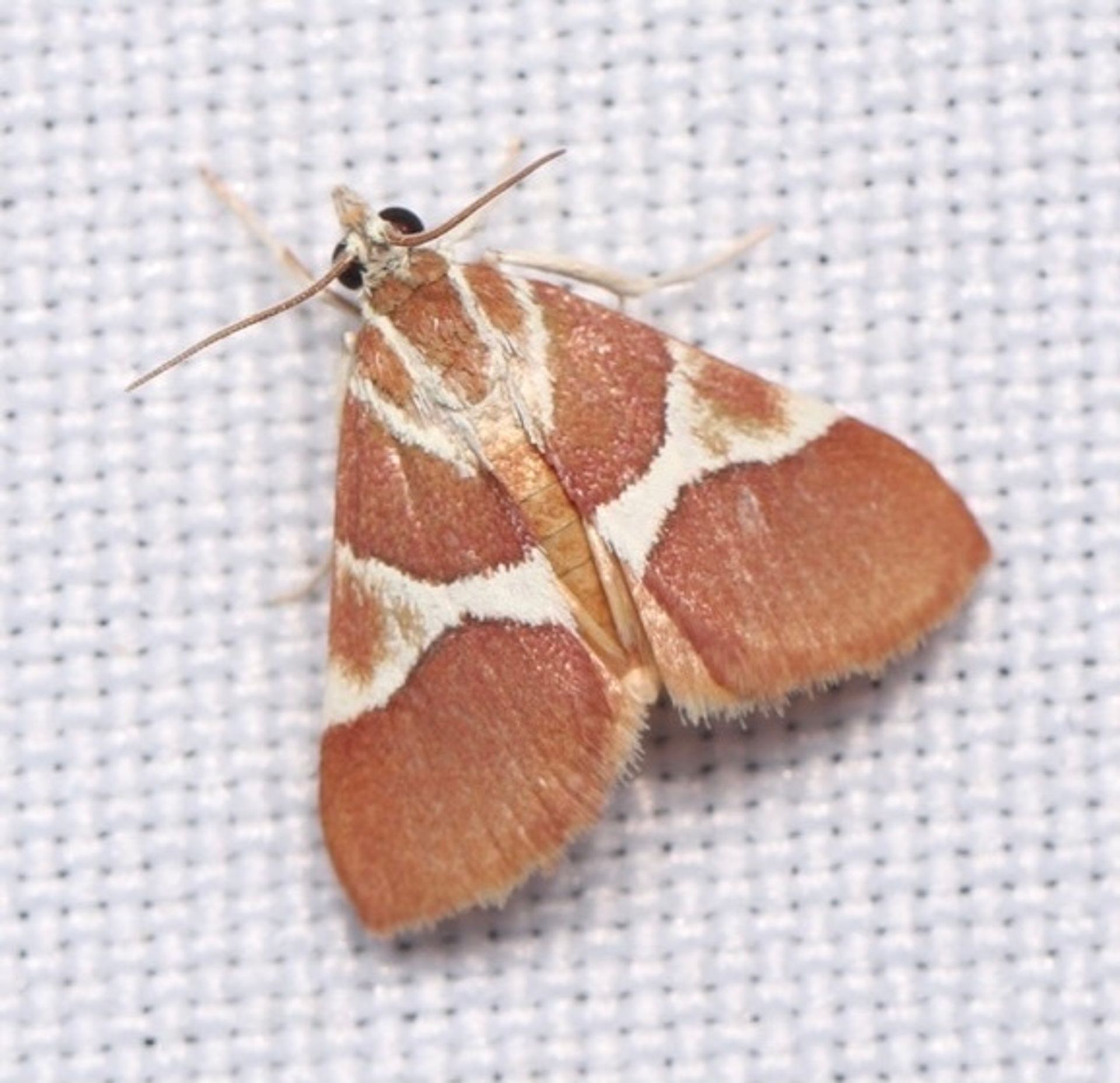
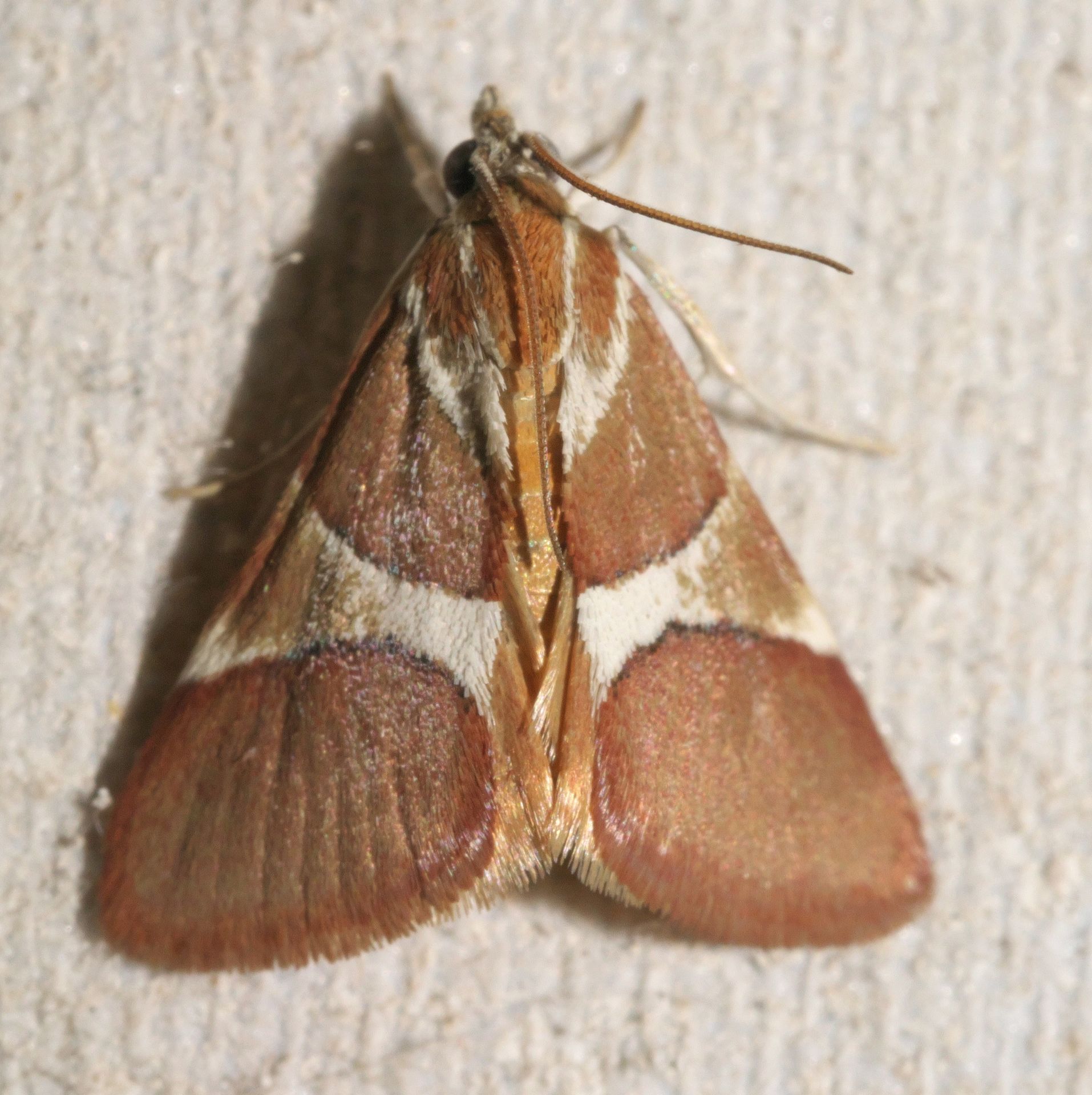
Jativa castanealis is a small in the Crambidae and the sole member of its . It occurs in the southwestern United States, specifically Arizona, New Mexico, and Texas. are active during two distinct periods: spring (April–May) and late summer through autumn (July–October). The "Belted Bantam" refers to its distinctive wing pattern.
Pronunciation
How to pronounce Jativa castanealis: /ʒæˈtɪ.və kæsˌtæ.niˈeɪ.lɪs/
These audio files are automatically generated. While they are not always 100% accurate, they are a good starting point.
Identification
As the only in its , Jativa castanealis can be identified by its generic status combined with geographic restriction to the southwestern United States. The specific epithet "castanealis" (chestnut-colored) and "Belted Bantam" suggest a characteristic banded or belted pattern on the wings, though detailed morphological descriptions are not available in the provided sources.
Images
Distribution
Recorded from Arizona, New Mexico, and Texas in the southwestern United States.
Seasonality
active April to May and July to October, indicating or partially bivoltine with spring and late summer–autumn periods.
More Details
Taxonomic Notes
Jativa is a within Odontiinae of Crambidae. The was described by George D. Hulst in 1886.
Observation Data
As of the source date, iNaturalist records 249 observations of this , indicating it is moderately well-documented by citizen scientists despite its restricted range.