Glaphyria cappsi
Munroe, 1972
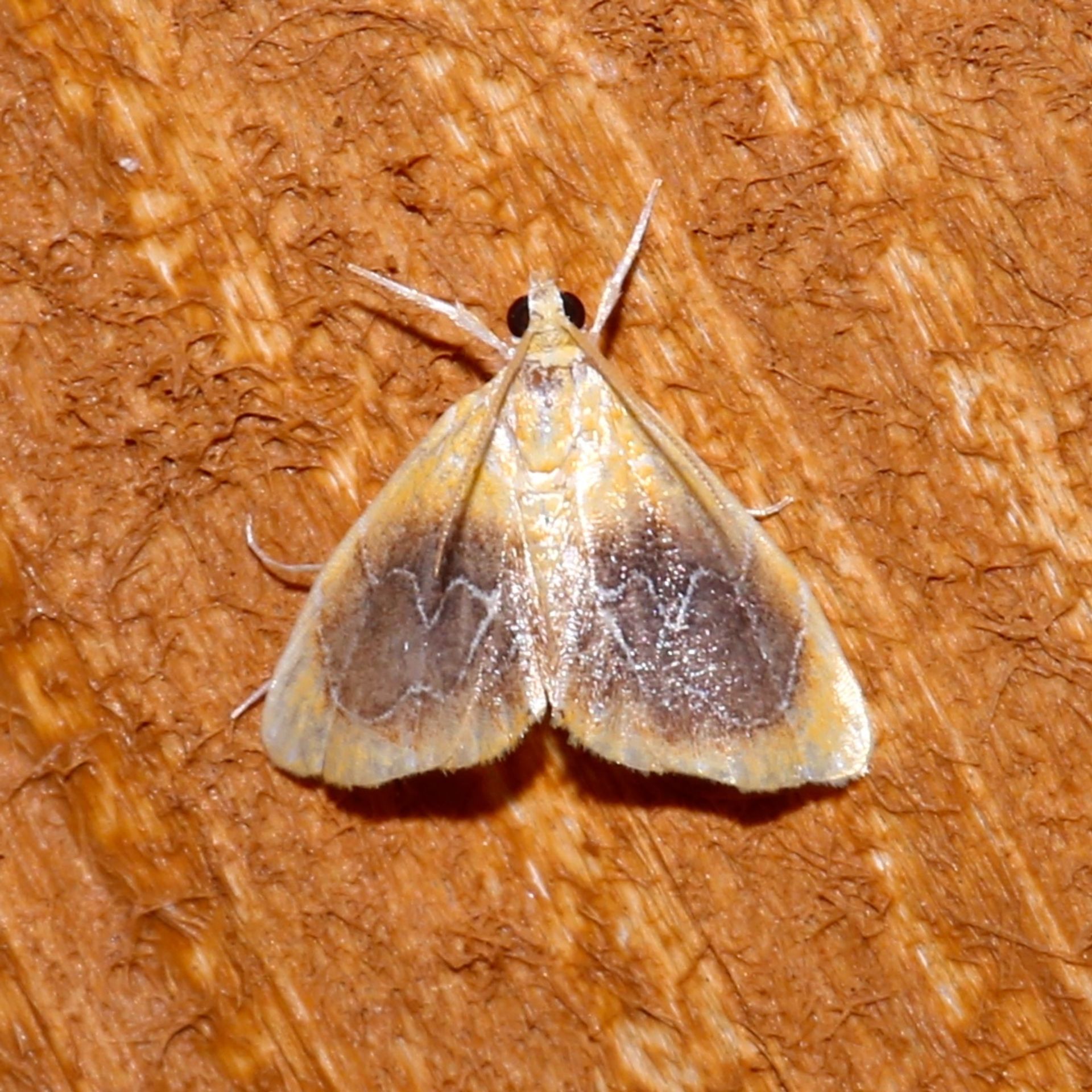
Glaphyria cappsi is a small crambid described by Munroe in 1972. It occurs in the southeastern United States and Cuba. The has a wingspan of approximately 13 mm. are active nearly year-round in Florida, with records spanning January and March through November.
Pronunciation
How to pronounce Glaphyria cappsi: //ɡlæˈfɪəriə ˈkæpsi//
These audio files are automatically generated. While they are not always 100% accurate, they are a good starting point.
Identification
The small size (13 mm wingspan) and occurrence in the southeastern United States and Cuba are distinguishing features. Definitive identification requires examination of genitalia or molecular confirmation, as Glaphyria are morphologically similar and often require determination.
Images
Appearance
Small with a wingspan of approximately 13 mm. Detailed external has not been extensively documented in available sources.
Distribution
Southeastern United States (Alabama, Florida, Georgia, Maryland, North Carolina, Oklahoma, South Carolina) and Cuba.
Seasonality
active January and March through November in Florida, suggesting multivoltine or continuous breeding in warm climates. Seasonality in other parts of the range is not documented.
Similar Taxa
- Other Glaphyria speciesGlaphyria is a of small crambid with similar general appearance; -level identification typically requires dissection and examination of genitalia.
More Details
Taxonomic history
Described by Eugene G. Munroe in 1972. The epithet 'capsi' honors an individual, presumably a collector or colleague.
Observation frequency
Relatively few documented observations (25 records on iNaturalist as of source date), suggesting it may be undercollected, cryptic, or genuinely uncommon.