Raphiptera
Hampson, 1896
diminutive grass-veneer
Species Guides
1- Raphiptera argillaceellus(Diminutive Grass-veneer)
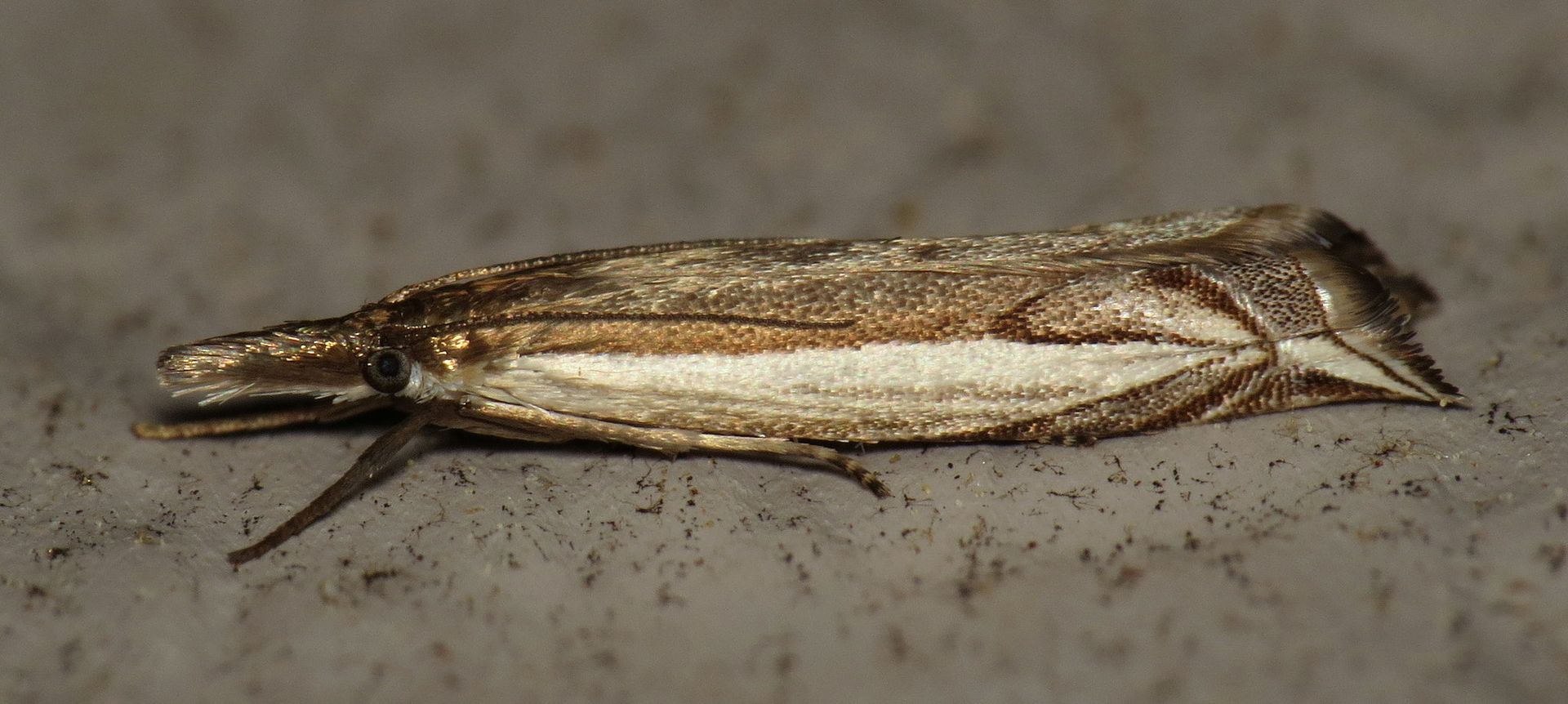
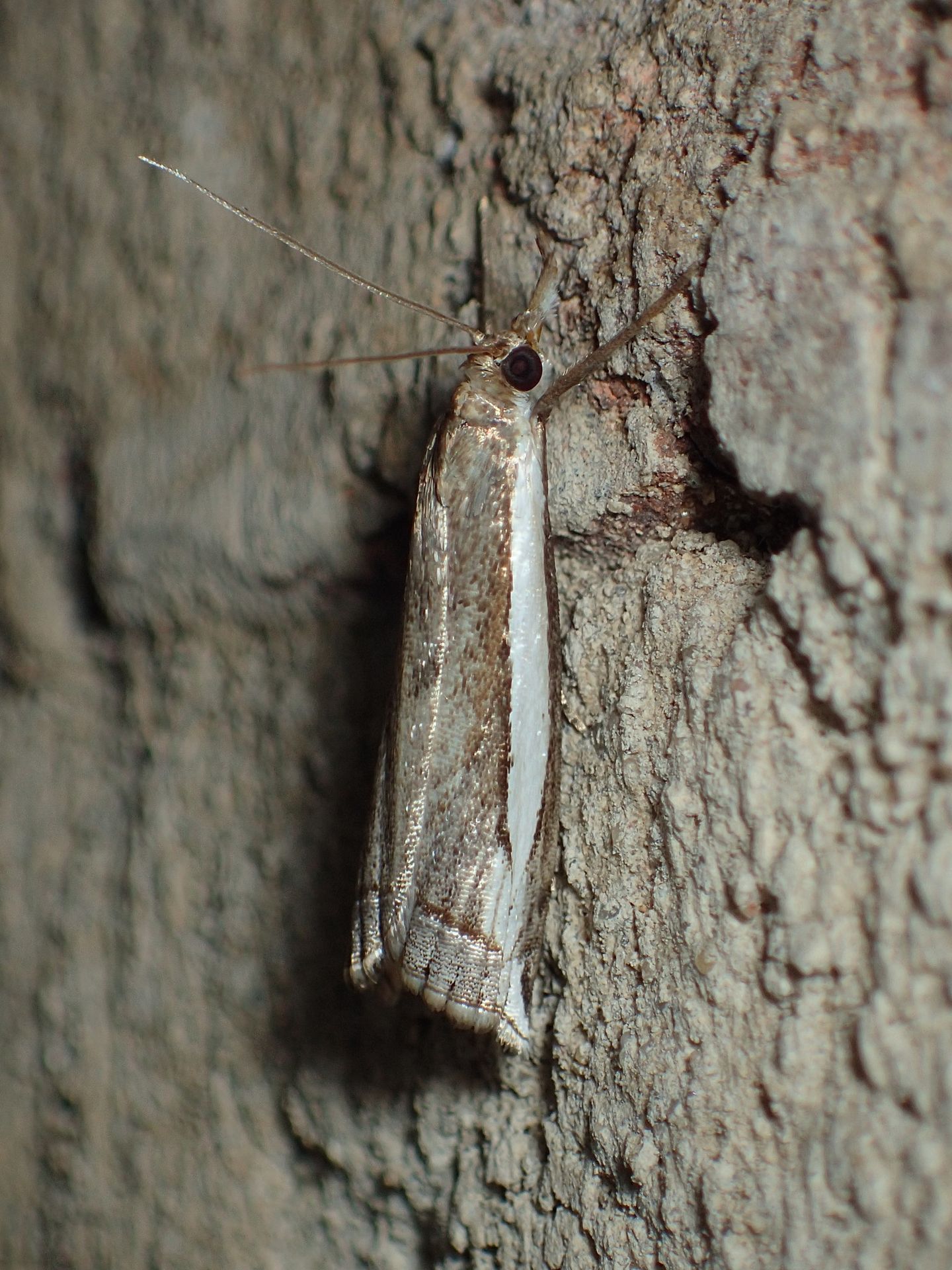
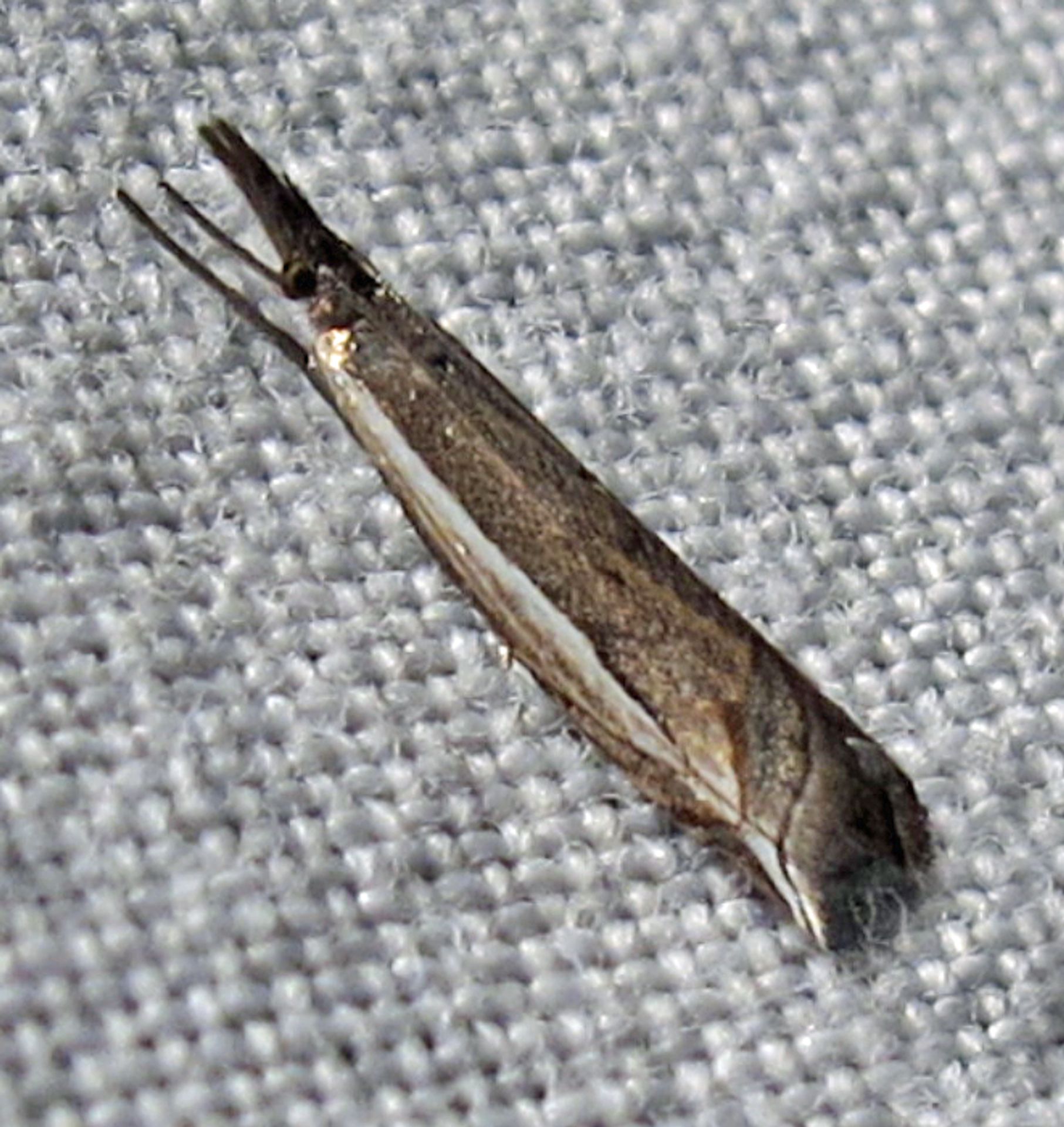
Raphiptera is a of crambid containing a single , Raphiptera argillaceellus, commonly known as the diminutive grass-veneer. The genus is characterized by its small size and restricted bog-dwelling . It was described by Hampson in 1896.
Pronunciation
How to pronounce Raphiptera: /ræˈfɪptərə/
These audio files are automatically generated. While they are not always 100% accurate, they are a good starting point.
Identification
The is identified by its combination of minute size (wingspan 10–15 mm), crambid characteristics, and bog association. The single status simplifies identification: any Raphiptera specimen is R. argillaceellus. Two are recognized: R. a. argillaceellus and R. a. minimellus.
Images
Appearance
are very small with a wingspan of 10–15 mm. The exhibits the typical crambid moth body plan with narrow wings and slender .
Habitat
Restricted to bogs. The specificity is notable among crambid , which occupy diverse environments.
Distribution
Eastern North America with records from Labrador, Quebec, Ontario, Alberta, Wisconsin, Michigan, Connecticut, and New York. Range extends south to Florida and Texas, and continues to Rica in Central America.
Seasonality
are active from June to August.
Diet
Larvae probably feed on grasses; this dietary association is inferred from the and but is not confirmed by direct observation.
Ecological Role
As a probable grass-feeder in bog , the may contribute to nutrient cycling in these specialized wetland . The restricted habitat suggests potential sensitivity to bog degradation.
Similar Taxa
- Other Crambidae generaMany crambid share general , but Raphiptera is distinguished by its exceptionally small size and obligate bog .
More Details
Taxonomic status
The is definitively , with Raphiptera argillaceellus as the sole . Two are recognized: the nominate form and R. a. minimellus described by Robinson in 1870.
Data availability
Despite 888 iNaturalist observations, detailed biological information remains limited. The larval diet and are poorly documented.