
Pediasia truncatellus
Zetterstedt, 1840
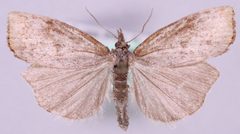
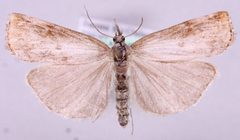
Pediasia truncatellus is a small crambid with a wingspan of 25–30 mm. It occurs across and northern temperate regions of Europe and North America. fly during early summer, and larvae have been tentatively associated with Sphagnum mosses in peatland .
Pronunciation
How to pronounce Pediasia truncatellus: /ˌpɛdɪˈeɪʒə trʌnˌkætˈɛləs/
These audio files are automatically generated. While they are not always 100% accurate, they are a good starting point.
Identification
Small size and early summer period in northern regions. Distinguished from congeneric Pediasia by geographic range and association with peatland ; precise diagnostic characters require examination of genitalia.
Images
Habitat
Associated with peatlands and wetland where Sphagnum mosses occur.
Distribution
Fennoscandia, northern Russia, the Baltic region, the Czech Republic, and Canada (Alberta, Manitoba, Saskatchewan).
Seasonality
active June–July in northern Europe; June in North America.
Diet
Larvae possibly feed on Sphagnum .
Host Associations
- Sphagnum - larval food planttentative; based on limited records
Ecological Role
Larval herbivory on Sphagnum mosses in peatland .
Similar Taxa
- Pediasia contaminellaOverlaps in range and ; distinguished by genitalia and subtle wing pattern differences
- Other Pediasia speciesMany similar in size and general appearance; require dissection for reliable identification
More Details
Taxonomic note
Zetterstedt described this in 1839, though some sources cite 1840. The species has been recorded infrequently, with only 10 observations on iNaturalist as of source date.