
Emesis
Fabricius, 1807
Species Guides
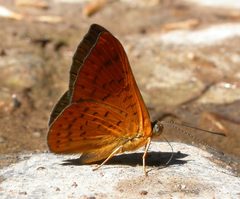
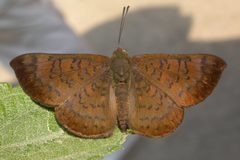
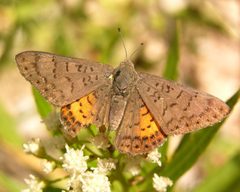
1- Emesis tenedia(Falcate Emesis)
Emesis is a of Neotropical metalmark butterflies in the Riodinidae. in this genus are primarily distributed across Mexico, Central America, and South America. The genus was established by Fabricius in 1807 and contains approximately 20 recognized species. are often associated with forest edges and disturbed .
Pronunciation
How to pronounce Emesis: /ˈɛmɛsɪs/
These audio files are automatically generated. While they are not always 100% accurate, they are a good starting point.
Identification
Emesis are distinguished from other Riodinidae by their relatively robust body shape and wing patterns that often feature metallic spots or bands on a brown or gray background. The genus can be separated from similar metalmarks such as Apodemia and Riodina by the configuration of wing markings and, in males, the structure of the foreleg which are reduced and brush-like. Specific species identification often requires examination of genitalic characters.
Images
Habitat
Tropical and subtropical forests, forest edges, and disturbed areas including roadsides and clearings. Elevation ranges vary by , with some occurring from sea level to montane zones.
Distribution
Mexico through Central America to South America, including the Caribbean islands. The is absent from temperate North America.
Seasonality
are active year-round in tropical lowlands; activity peaks vary regionally with wet and dry seasons.
Behavior
frequently perch on leaves with wings closed, displaying the cryptic undersides. They visit flowers, rotting fruit, and mammal for moisture and nutrients. Males establish territories and perch on prominent vegetation to intercept females.
Ecological Role
contribute to pollination of low-growing flowers. Larval plant relationships are poorly documented but likely involve specific plant ; larvae may function as herbivores in forest understory .
Human Relevance
Occasionally collected for trade and studied in Neotropical biodiversity assessments. Not considered economically significant.
Similar Taxa
- ApodemiaSimilar metalmark butterflies with reduced forelegs; distinguished by wing pattern elements and genitalic structure
- RiodinaOverlapping distribution and general appearance; separated by wing shape and pattern details
- SymmachiaAnother riodinid with metallic markings; differs in wing venation and leg structure
More Details
Taxonomic history
The Emesis was described by Johann Christian Fabricius in 1807. It has undergone several revisions, with some formerly placed here now assigned to other genera such as Hamearis and Symmachia.
Species diversity
Approximately 20 are currently recognized, though the would benefit from modern molecular phylogenetic study to clarify species boundaries and relationships.