
Manataria hercyna
Hübner, 1816
white-spotted satyr
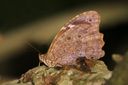
Manataria hercyna, the white-spotted satyr, is the sole in the Manataria within the Satyrinae. It is a Neotropical with a broad distribution across Central and South America. The species exhibits notable subspecific variation across its range, with five recognized differing in geographic distribution and subtle morphological traits.


Pronunciation
How to pronounce Manataria hercyna: //ˌmænəˈtɛəriə hɜːrˈsɪnə//
These audio files are automatically generated. While they are not always 100% accurate, they are a good starting point.
Identification
Distinguished from other Neotropical satyrines by the combination of white-spotted pattern on brown wings and the absence of eyespots typical of many Satyrinae. The Manataria is unique enough that identification to genus level confirms identity, as no other species exist in the genus. identification requires geographic knowledge and examination of spot size and .
Images
Habitat
Found in Neotropical forested ; specific microhabitat preferences are not well documented in available sources.
Distribution
Neotropical zone. distributed as follows: M. h. hercyna in Brazil and Peru; M. h. maculata in Rica and Mexico; M. h. hyrnethia in Bolivia, Peru, Ecuador, and Colombia; M. h. distincta in French Guiana; M. h. daguana in Colombia.
More Details
Taxonomic uniqueness
Manataria is a , making M. hercyna the only representative of its lineage within Satyrinae. This phylogenetic isolation may reflect ancient divergence or specialized ecological requirements that have prevented diversification.
Subspecies variation
The five recognized show primarily distributions with limited range overlap, suggesting geographic isolation as the primary driver of differentiation rather than ecological specialization.