
Xenophanes tryxus
(Stoll, 1780)
Glassy-winged Skipper
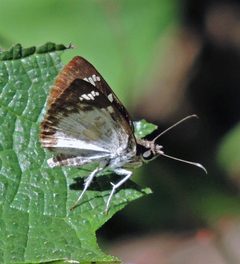
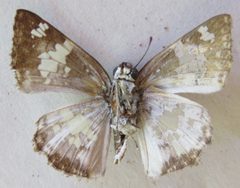
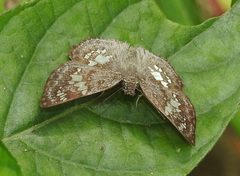
Xenophanes tryxus is a (Hesperiidae: Pyrginae) distributed across northern South America and Central America. The is commonly known as the Glassy-winged Skipper, a name derived from its translucent wing patches. It is among the more frequently observed skippers in its range, with over 3,400 records on iNaturalist. The species was originally described by Stoll in 1780 as Papilio tryxus.
Pronunciation
How to pronounce Xenophanes tryxus: /zɛˈnɒfəniːz ˈtrɪksəs/
These audio files are automatically generated. While they are not always 100% accurate, they are a good starting point.
Identification
The 'Glassy-winged Skipper' refers to distinctive translucent or glassy patches on the wings, a key diagnostic feature. As a member of Pyrginae, it possesses the characteristic hooked or curved clubs typical of skippers. Specific identification characters beyond the glassy wing patches are not well documented in available sources; examination of genitalia may be required for definitive identification from similar Xenophanes .
Images
Habitat
Recorded from diverse localities including urban gardens (Jardín Botánico de Cartagena), agricultural research stations (Laboratorio de Agricultura Urbana), and protected natural reserves (Reserva Natural La Planada). These records suggest occupancy of both disturbed and intact in tropical lowland to mid-elevation regions.
Distribution
Human Relevance
Observed in urban gardens and agricultural research facilities, indicating of human-modified landscapes. No specific economic or conservation significance documented.
Similar Taxa
- Xenophanes tibullusCongeneric with potentially overlapping distribution; separation may require examination of wing pattern details or genitalia
- Other Pyrginae skippersSimilar body form and style; glassy wing patches help distinguish X. tryxus from many