
Truncaptera
Becker, 2014
Species Guides
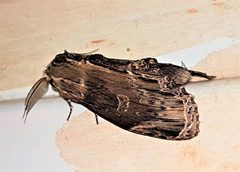
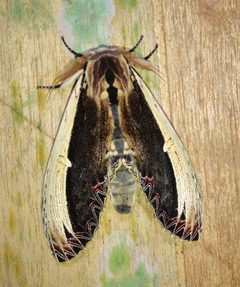
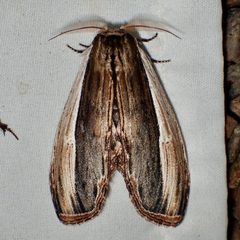
1Truncaptera is a of in the Notodontidae, Stauropinae, established by Becker in 2014. The genus belongs to the diverse superfamily Noctuoidea, a large group of moth commonly known as owlet moths and their relatives. As a recently described genus, it represents a taxonomic refinement within the Notodontidae, a family characterized by prominent moths often with distinctive resting postures and reduced mouthparts in . The genus is part of the Neotropical fauna, though specific species-level diversity and ecological details remain limited in published literature.
Pronunciation
How to pronounce Truncaptera: /trʌŋˈkæptərə/
These audio files are automatically generated. While they are not always 100% accurate, they are a good starting point.
Identification
Truncaptera can be distinguished from other Stauropinae by genitalic characters, particularly features of the male valvae and female corpus bursae. The genus name, derived from Latin 'truncus' (truncated) and Greek 'ptera' (wings), likely refers to wing shape characteristics. Definitive identification requires dissection and examination of genitalia; external alone is insufficient for reliable determination.
Images
Distribution
Neotropical region, with records from South America.
Similar Taxa
- StauropusBoth belong to Stauropinae and share reduced mouthparts and similar body plans; distinguished by wing venation and genitalic .
- EugoaSome Stauropinae with superficially similar forewing patterns; Truncaptera distinguished by hindwing shape and male genitalia structure.
More Details
Taxonomic History
The was erected in 2014 by Becker to accommodate previously assigned to other genera within Stauropinae, reflecting ongoing refinement of Notodontidae based on morphological and molecular data.
Research Status
As a recently described , comprehensive -level revisions and ecological studies are limited. Most available information derives from taxonomic descriptions rather than field .