Sympistis major
Grote, 1881
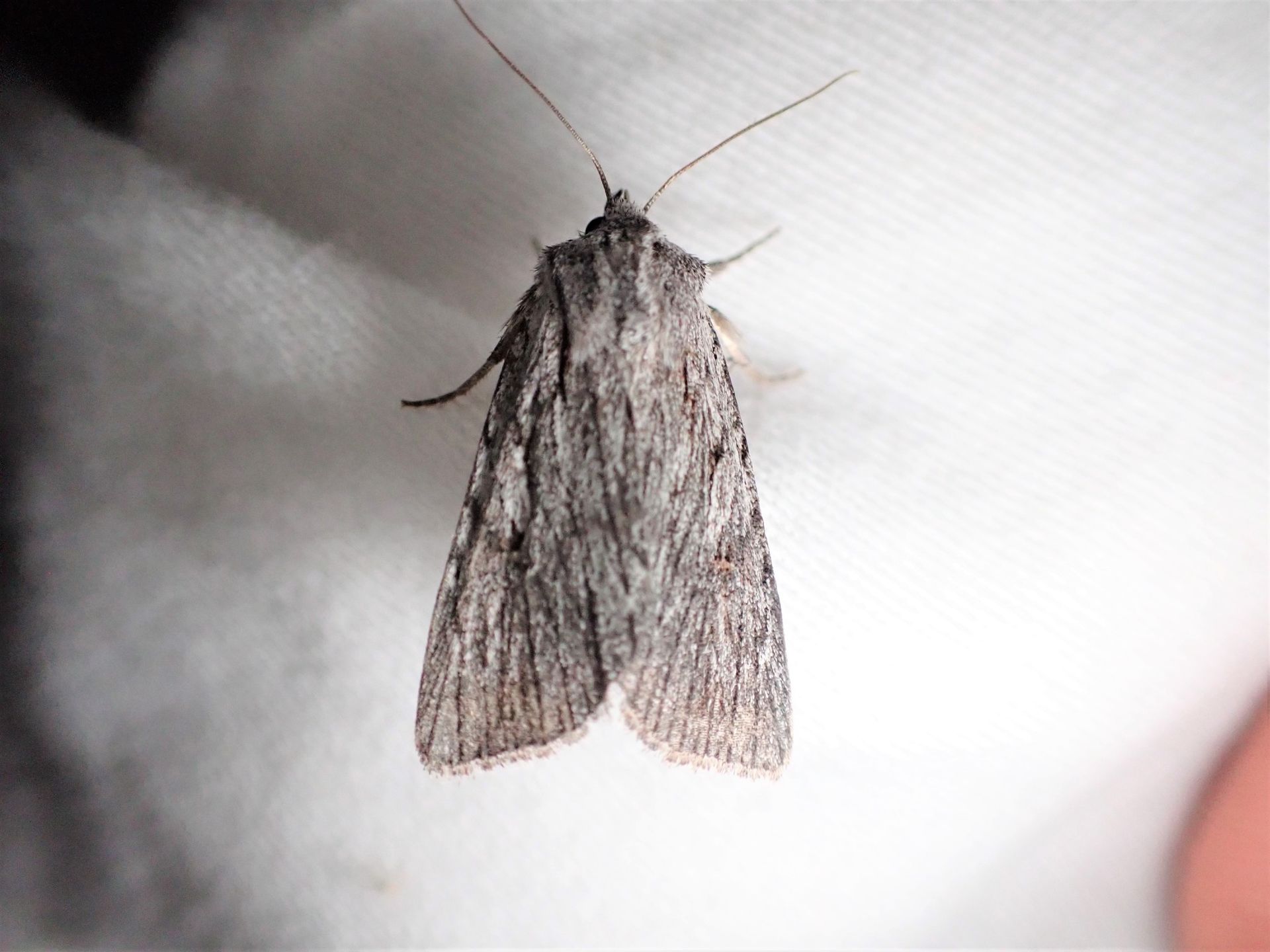
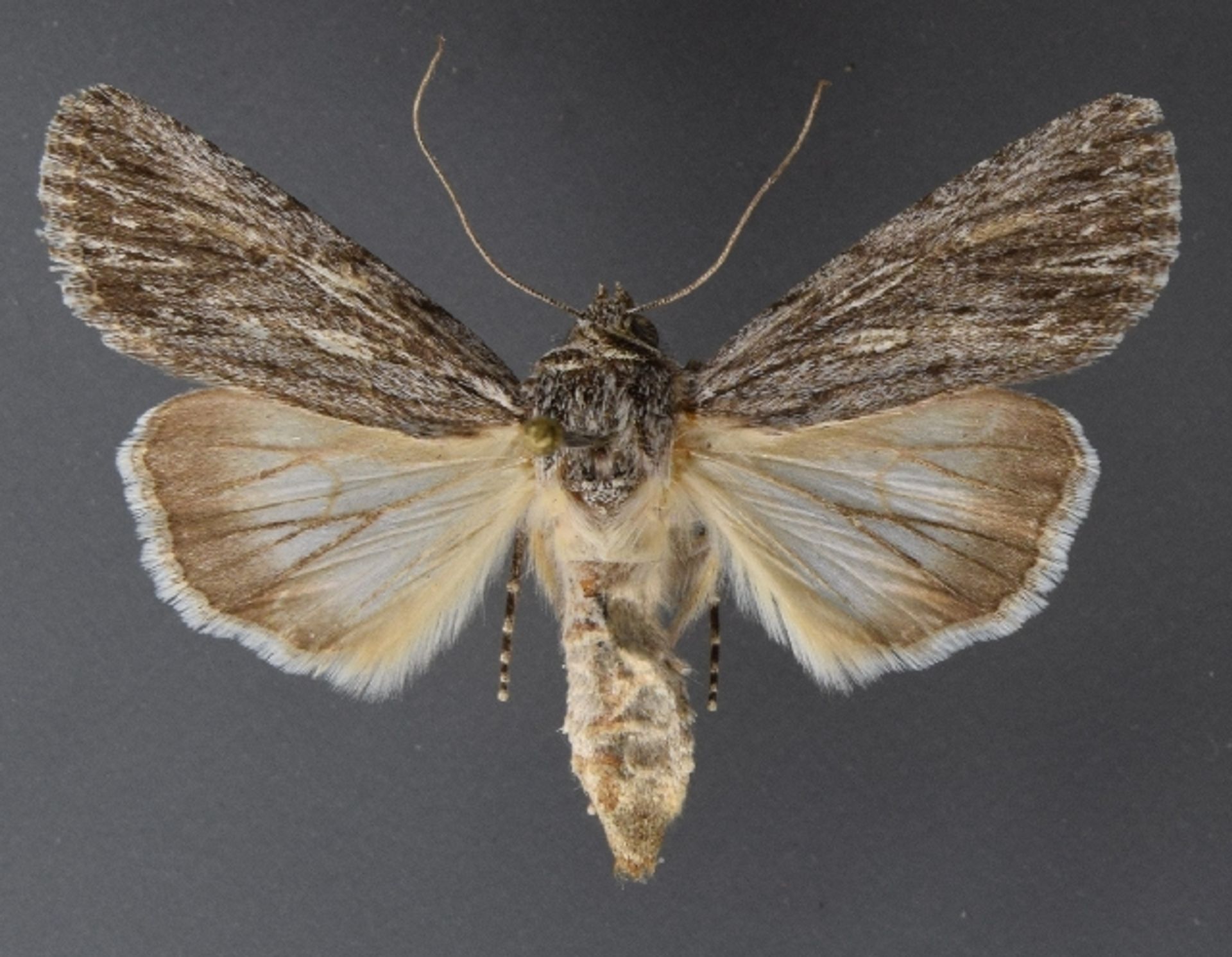
Sympistis major is a noctuid native to the Pacific Northwest of North America, first described by Augustus Radcliffe Grote in 1881. The has undergone significant taxonomic revision: originally described as a of Oncocnemis riparia, it was elevated to full species status as Oncocnemis major in 1999 and transferred to the Sympistis in 2008. have a wingspan of 31–36 mm. Larvae are specialized feeders on Penstemon species.
Pronunciation
How to pronounce Sympistis major: /sɪmˈpɪstɪs ˈmeɪdʒər/
These audio files are automatically generated. While they are not always 100% accurate, they are a good starting point.
Identification
No specific identification features distinguishing Sympistis major from related Sympistis are documented. The wingspan range of 31–36 mm and Pacific Northwest distribution may assist in narrowing identification possibilities.
Images
Appearance
have a wingspan of 31–36 mm. No additional morphological details are documented in available sources.
Habitat
Specific requirements are not documented. Based on larval plant associations, the likely occurs in areas supporting Penstemon fruticosus and related Penstemon species.
Distribution
Widely distributed in the Pacific Northwest of North America. Precise range boundaries are not documented.
Seasonality
Activity periods are not documented.
Diet
Larvae feed on Penstemon , particularly Penstemon fruticosus. feeding habits are not documented.
Host Associations
- Penstemon fruticosus - larval plantprimary
- Penstemon - larval plant-level association
Life Cycle
Larval stage feeds on Penstemon . Details of , pupal, and stages are not documented.
Behavior
No specific are documented.
Ecological Role
As a herbivore on Penstemon, larvae likely influence plant in their native range. The may serve as prey for . Specific ecological interactions are not documented.
Human Relevance
No documented human relevance. Not known to be an agricultural pest.
Similar Taxa
- Oncocnemis ripariaFormerly considered as a ; distinguished by elevation to full status in 1999 and subsequent transfer to Sympistis in 2008
More Details
Taxonomic History
The has undergone multiple taxonomic changes reflecting evolving understanding of noctuid . Originally described as Oncocnemis riparia major (a ), it was elevated to Oncocnemis major by Crabo & Lafontaine in 1999, then transferred to Sympistis major by Lafontaine & Schmidt in 2008 based on phylogenetic and morphological evidence.
Sources and further reading
- BugGuide
- Wikipedia
- GBIF taxonomy match
- iNaturalist taxon
- Catalogue of Life
- UC Davis Animal Science Major Ivana Satre Vying for Miss Vietnam Northern California Title | Bug Squad
- Geoffrey Attardo: Growing Presence of This Mosquito: 'A Major Public Health Threat' | Bug Squad
- Meet Andrea Guggenbickler, Outstanding Academic Advisor | Bug Squad
- Marek Borowiec's Awesome Social Insects Award | Bug Squad
- Top Notch Advisors: Elvira Galvan Hack and Robert Kimsey | Bug Squad
- Name That Bug! What About Bob? | Bug Squad