Cucullia laetifica
Lintner, 1875
Rabbitbush Hooded Owlet
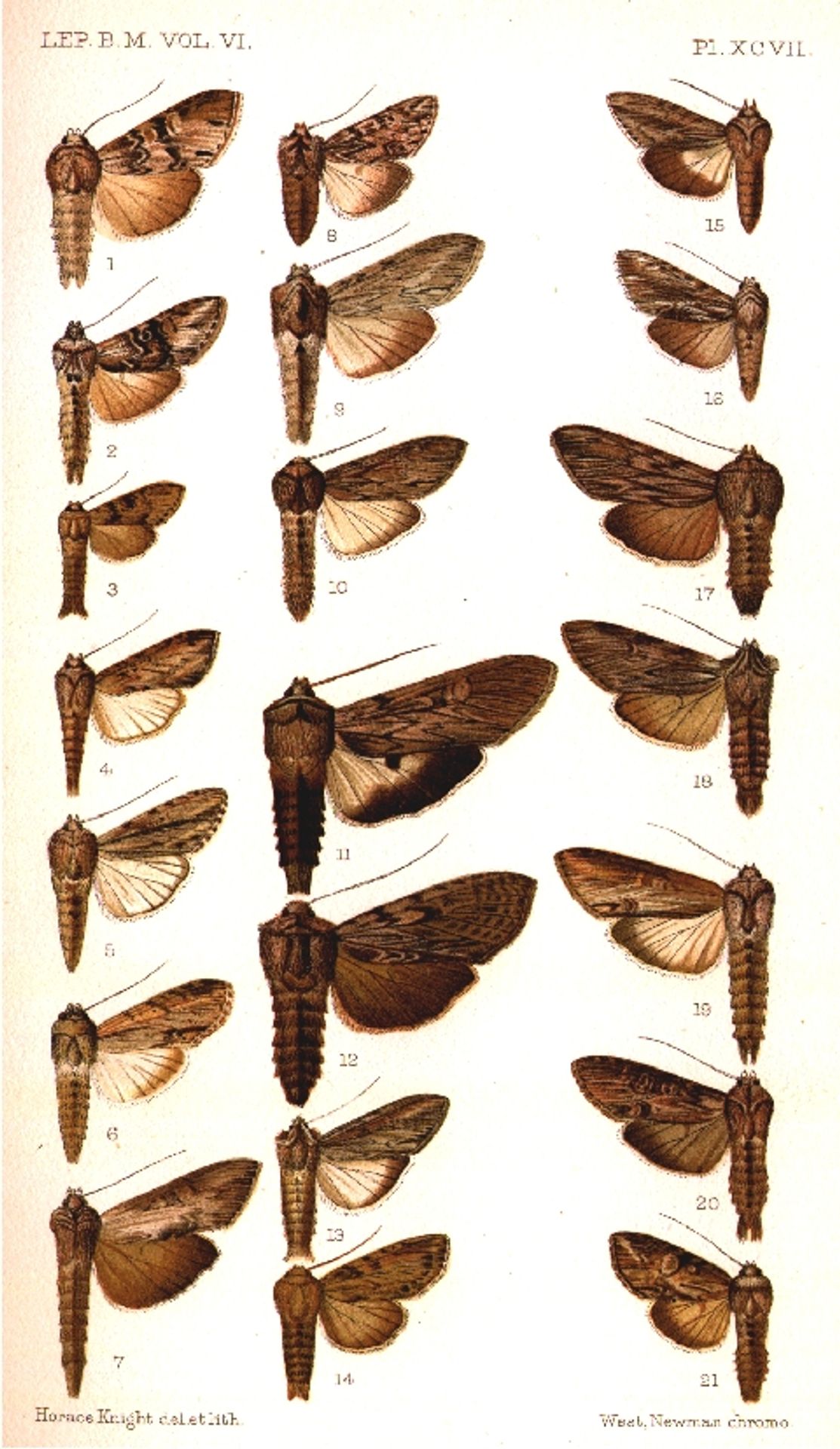
Cucullia laetifica is a of owlet moth in the Noctuidae, first described by Lintner in 1875. It is commonly known as the Rabbitbush Hooded Owlet. The species occurs in North America and is one of approximately 100 species in the Cucullia. The MONA or Hodges number for this species is 10191.
Pronunciation
How to pronounce Cucullia laetifica: //kuːˈkʊl.li.ə laɪˈtiː.fɪ.kə//
These audio files are automatically generated. While they are not always 100% accurate, they are a good starting point.
Identification
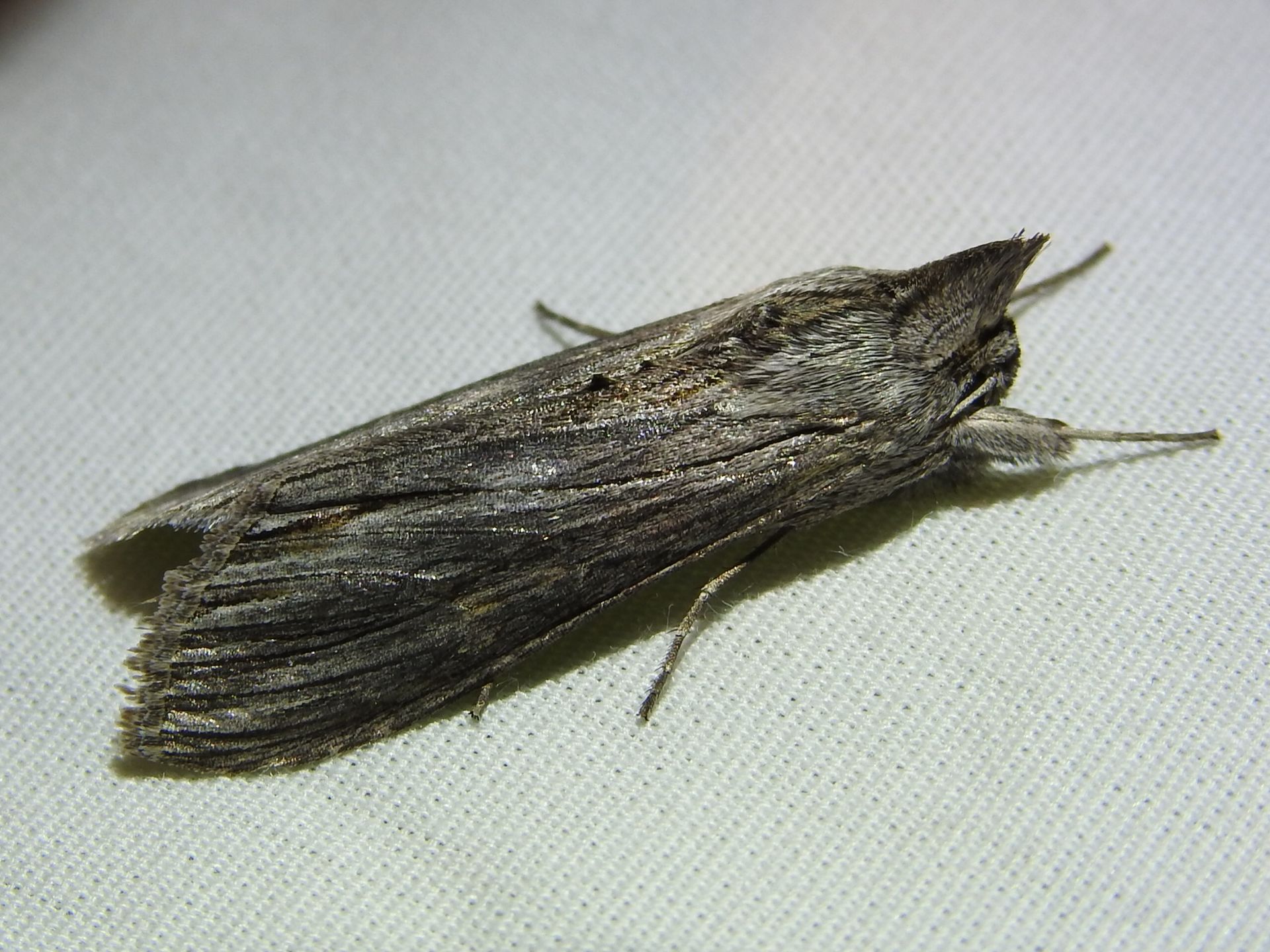
The Cucullia can be distinguished from other noctuid genera by the distinctive hooded or pointed forewing shape. -level identification within Cucullia typically requires examination of genitalia and comparison with reference specimens. The "Rabbitbush Hooded Owlet" suggests an association with rabbitbrush (Ericameria/Chrysothamnus), which may aid in field identification where this plant occurs.
Images
Appearance
As a member of the Cucullia, this exhibits the characteristic hooded or cucullate forewing shape that gives the genus its . are medium-sized noctuid . Specific coloration and pattern details for C. laetifica are not well documented in available sources.
Habitat
The "Rabbitbush Hooded Owlet" indicates association with rabbitbrush-dominated . These are typically dry, open habitats including sagebrush steppe, prairie, and semi-arid shrublands where rabbitbrush occur.
Distribution
North America. Specific range details beyond continental occurrence are not well documented in available sources.
Diet
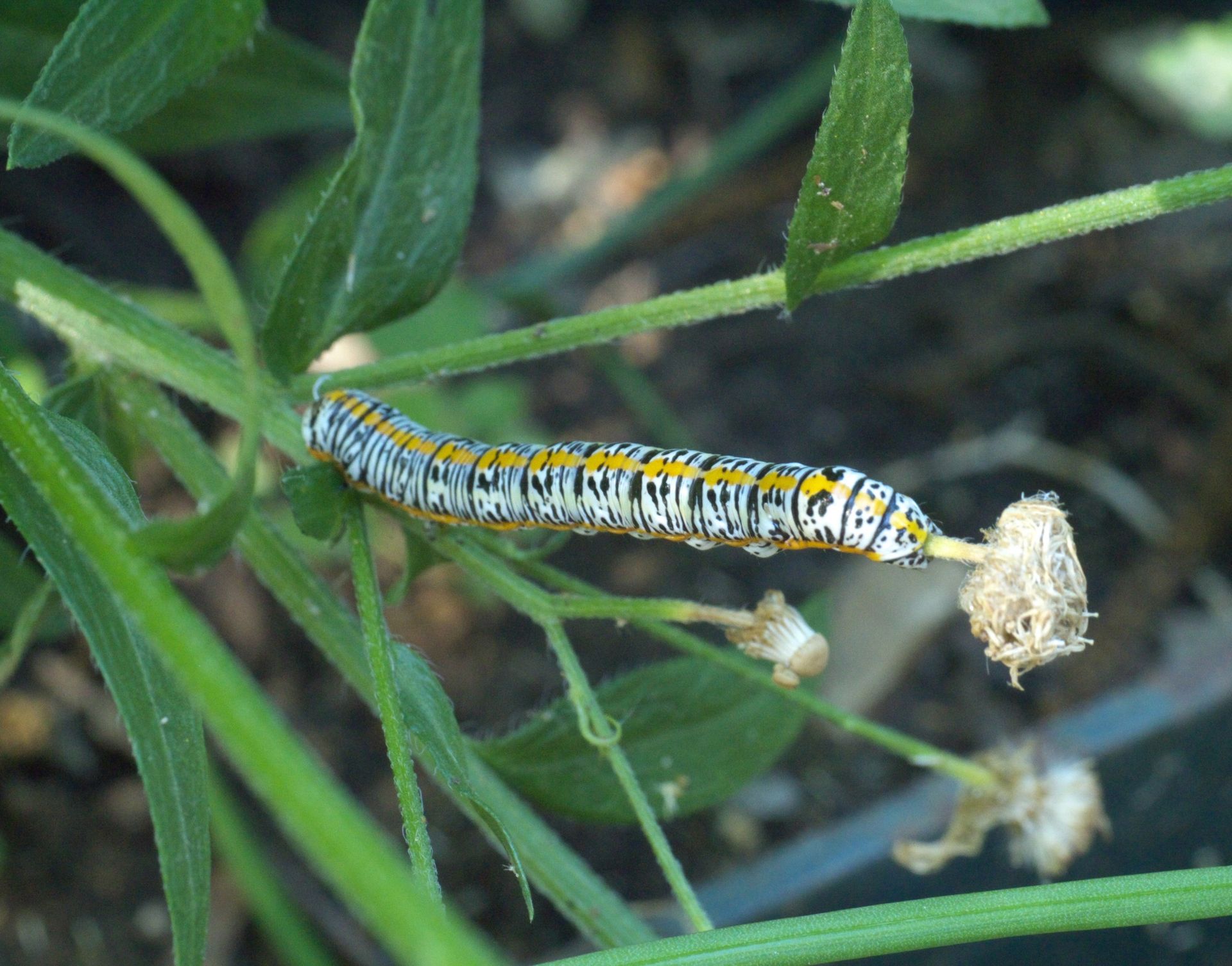
Larvae of Cucullia are typically feeders on Asteraceae. The "Rabbitbush Hooded Owlet" strongly suggests larval feeding on rabbitbrush (Ericameria or Chrysothamnus species, Asteraceae), though this specific association has not been confirmed in published literature.
Host Associations
- Rabbitbrush - probable larval Inferred from ; specific (Ericameria or Chrysothamnus) not confirmed
Behavior
are and attracted to light. Like other noctuids, they likely rest with wings folded tent-like over the body during the day.
Ecological Role
As a probable herbivore on rabbitbrush, larvae may play a role in regulating plant . may serve as prey for including bats and night-flying birds.
Similar Taxa
- Other Cucullia speciesApproximately 100 in share hooded forewing shape; require genitalia examination for definitive identification
More Details
MONA/Hodges Number
10191