Renia adspergillus
(Bosc, 1800)
Speckled Renia Moth, Gray Renia
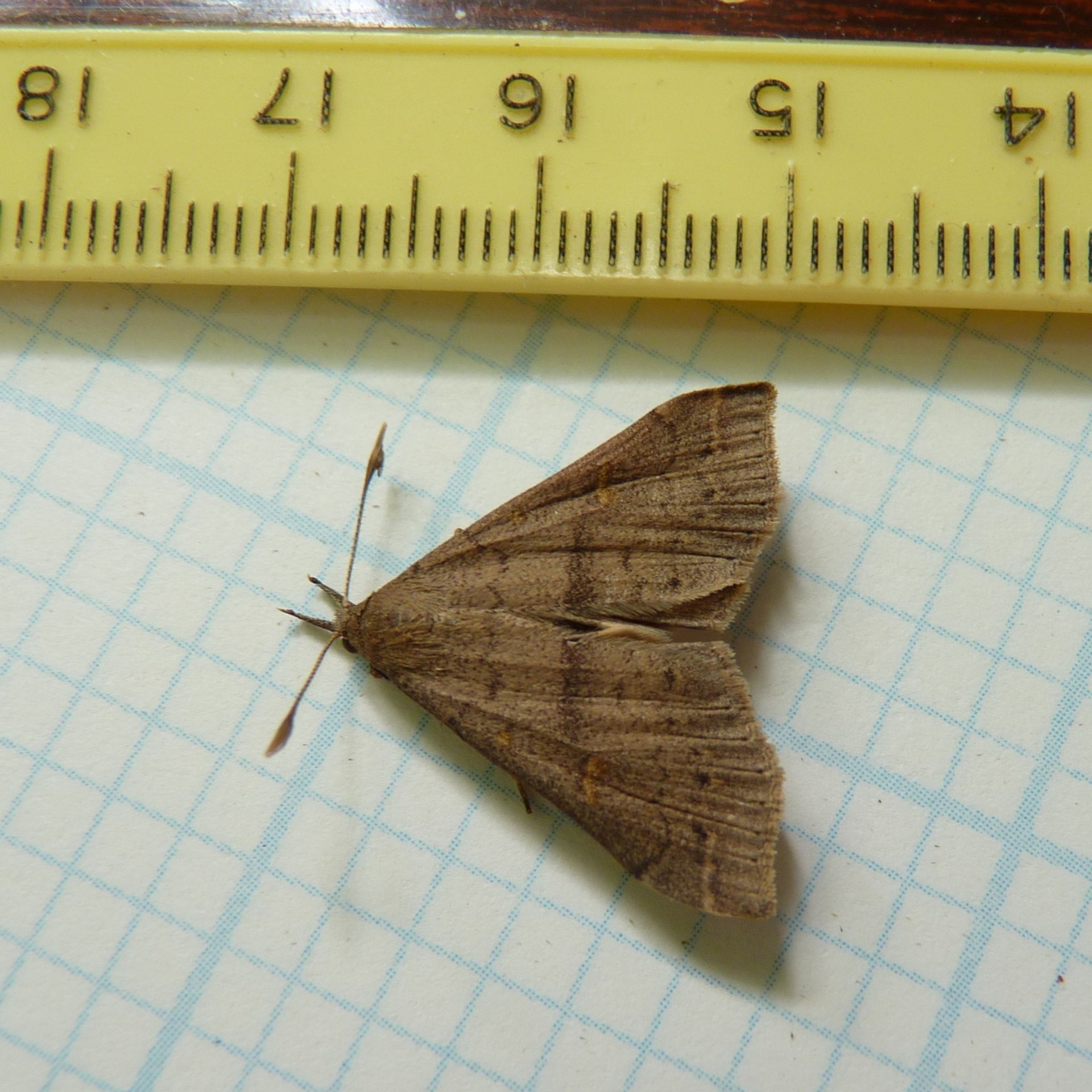
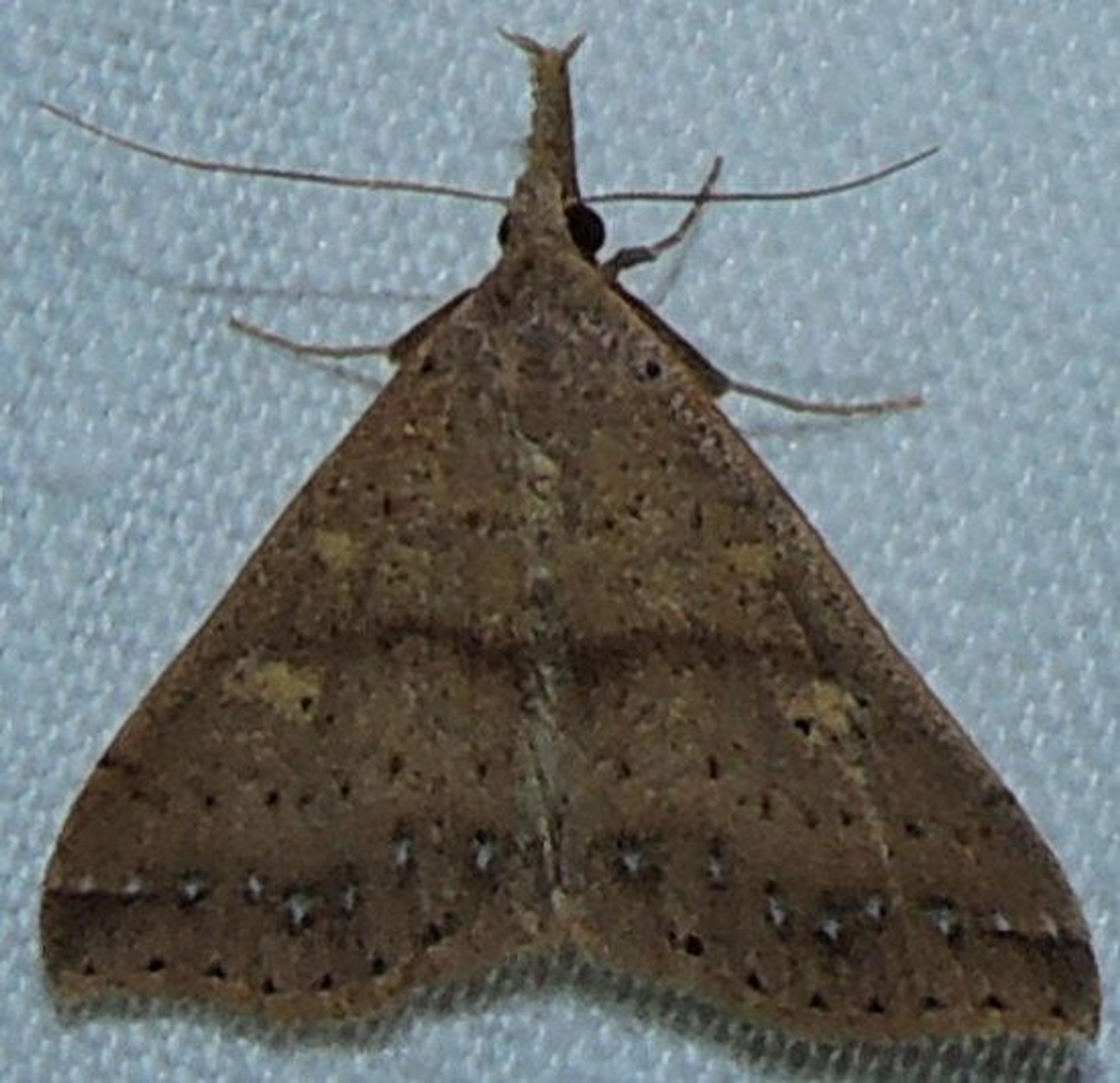
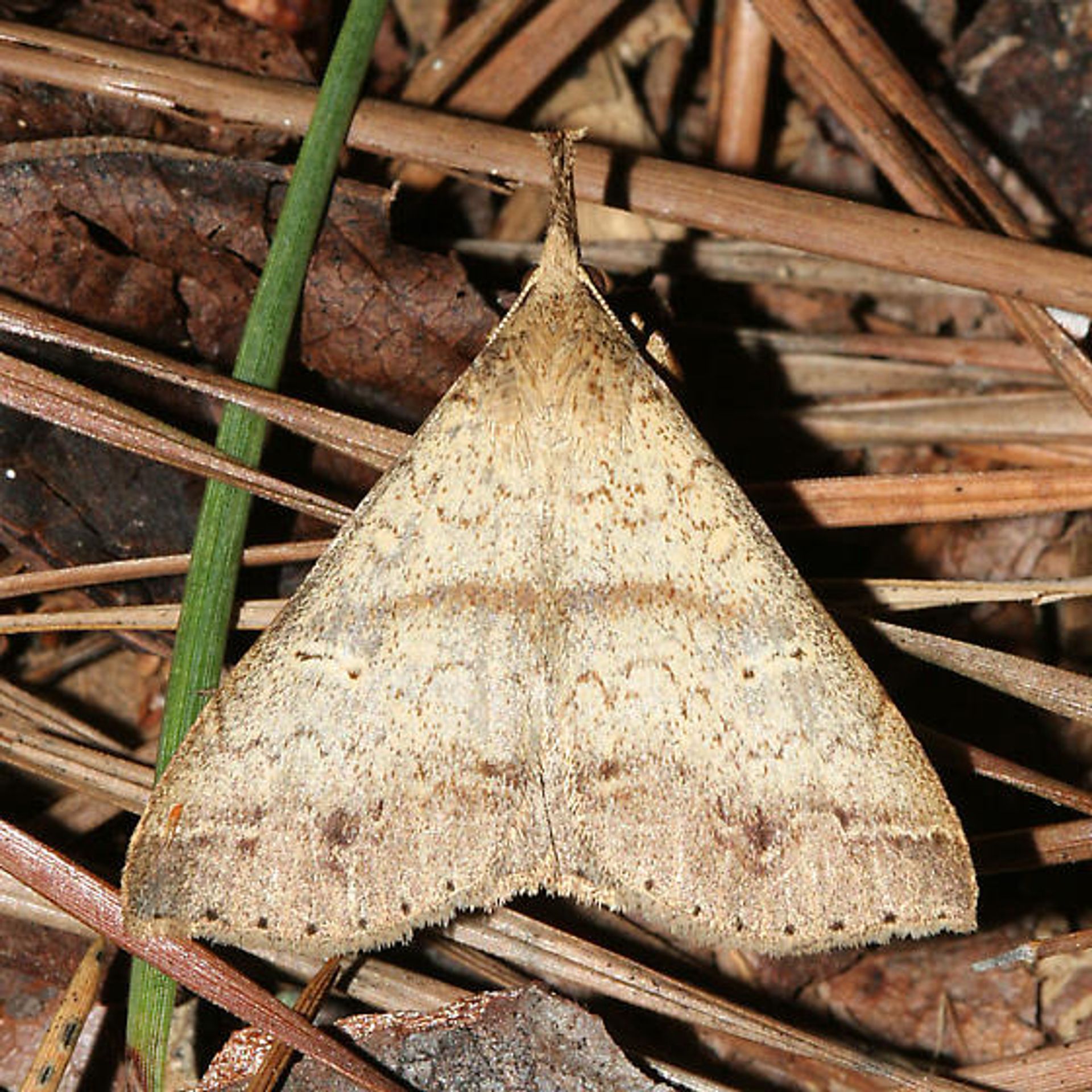
Renia adspergillus is a small litter moth in the Erebidae, commonly known as the speckled renia or gray renia. It is native to eastern North America and has been recorded from Michigan and Quebec south to Louisiana and Florida. The was first described by Bosc in 1800 and is classified in the Herminiinae. It exhibits multiple annually in the southeastern portion of its range.
Pronunciation
How to pronounce Renia adspergillus: //ˈrɛniə ˌædspərˈɡɪləs//
These audio files are automatically generated. While they are not always 100% accurate, they are a good starting point.
Identification
The small size (25 mm wingspan) and speckled gray appearance may help distinguish this from other Renia, though specific diagnostic features are not documented in available sources. Genitalia examination may be required for definitive identification among .
Images
Appearance
have a wingspan of approximately 25 mm. The 'gray renia' and 'speckled renia ' suggest a generally gray coloration with speckled patterning on the wings, consistent with many Herminiinae .
Habitat
As a 'litter moth,' it is associated with forest floor environments where larval food sources and shelter occur. Specific microhabitat requirements are not documented.
Distribution
Eastern North America: from Michigan and Quebec south to Louisiana and Florida. Records indicate presence in Vermont.
Seasonality
Multiple occur in the southeastern United States. Activity patterns in northern portions of the range are not specified.
Life Cycle
Larvae construct and feed beneath a web of silk. Specific details regarding , pupal, and longevity are not documented.
Behavior
Larvae feed beneath protective silk webbing. is not documented in available sources.
Ecological Role
Larvae function as or herbivores in forest floor , though specific ecological contributions are not documented.
Similar Taxa
- Other Renia species share similar size, , and general appearance; genitalia dissection often required for definitive identification
More Details
Common Name Variation
The is referred to as both 'gray renia' and 'speckled renia ' in different sources; 'speckled renia moth' appears to be the more widely used in recent references.
Historical Description
First described by French naturalist Louis Augustin Guillaume Bosc in 1800, making it one of the earlier described in the Renia.