Phalaenostola metonalis
Walker, 1859
Pale Phalaenostola Moth, Tufted Snout, Pale Epidelta
Phalaenenostola metonalis is a small in the Erebidae, Herminiinae. It is widely distributed across eastern and central North America. The is notable for its larvae feeding on dead plant material rather than living vegetation.
Pronunciation
How to pronounce Phalaenostola metonalis: /fəˌliːnəˈstoʊlə mɛtəˈneɪlɪs/
These audio files are automatically generated. While they are not always 100% accurate, they are a good starting point.
Identification
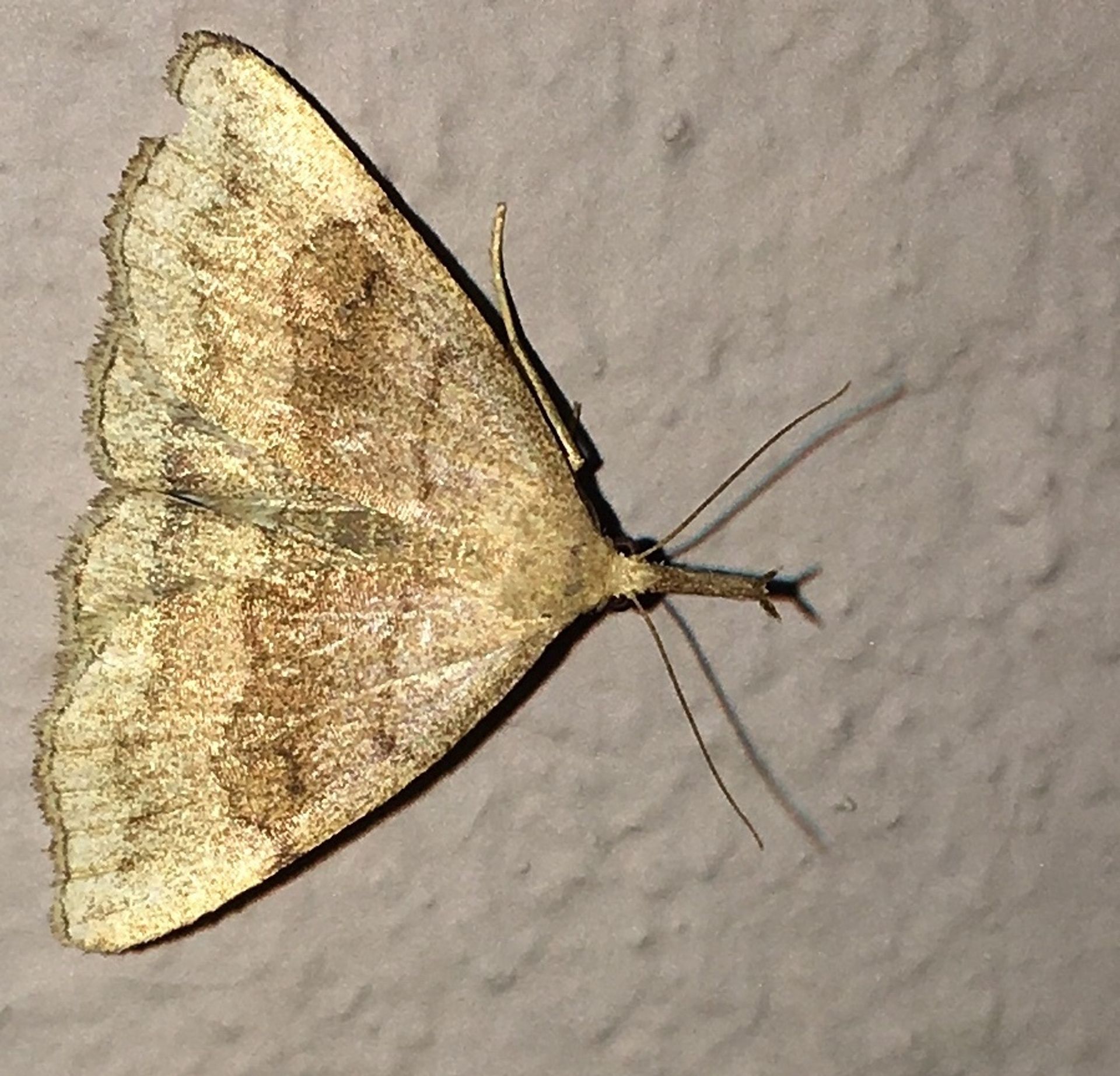
The combination of small size, pale unpatterned forewings, and the distinctive tufted snout (projecting labial palps) separates this from most other Erebidae. The 'snout' structure is particularly useful for distinguishing it from similarly sized pale in related . Specimens may be confused with other Herminiinae, but the specific palp structure and overall plain appearance are diagnostic.
Images
Appearance
Wingspan 20–24 mm. are small, pale with relatively plain, light-colored forewings. The 'Tufted Snout' refers to the projecting labial palps that form a visible snout-like structure on the .
Habitat
Found in a variety of environments across its broad North American range. Larval includes areas with accumulations of dead grass and leaf litter.
Distribution
North America: British Columbia to Newfoundland, south to North Carolina, west to Missouri. Canadian provinces with records include Alberta, Manitoba, and Saskatchewan. Also recorded from Vermont.
Seasonality
are active from June to September.
Diet
Larvae feed on dead grass and dead leaves of deciduous trees. Has been successfully reared on dandelion (Taraxacum) and lettuce (Lactuca sativa) in captivity.
Ecological Role
Larval feeding on dead plant material suggests a role in decomposition and nutrient cycling. The functions as a in forest and grassland .
Human Relevance
No significant economic or agricultural impact. Occasionally reared in captivity for study using readily available plant material such as lettuce and dandelion.
Similar Taxa
- Other Phalaenostola speciesSimilar size and general appearance; requires examination of genitalia or detailed wing venation for definitive separation
- Other Herminiinae with plain forewingsPale coloration overlaps with several related ; the tufted snout structure is the most reliable external distinguishing feature
More Details
Taxonomic history
Originally described by Francis Walker in 1859 as Herminia metonalis, later transferred to the Phalaenostola.
Larval feeding ecology
The documented feeding on dead plant material is somewhat unusual among Lepidoptera and distinguishes this from herbivorous relatives.