
Macrochilo orciferalis
Walker, 1859
Bronzy Macrochilo, Chocolate Fan-foot, Bronzy Owlet
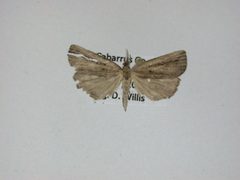
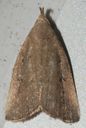
Macrochilo orciferalis is a small litter moth in the Herminiinae, commonly known as the bronzy macrochilo or chocolate fan-foot. It is widely distributed across eastern and central North America. fly during summer months with multiple per year in northern .

Pronunciation
How to pronounce Macrochilo orciferalis: /ˌmækroʊˈkaɪloʊ ɔːrˌsɪfərˈælɪs/
These audio files are automatically generated. While they are not always 100% accurate, they are a good starting point.
Identification
Distinguished from similar Macrochilo by combination of size, bronzy forewing coloration, and geographic range. Genitalia examination may be required for definitive identification from closely related species.
Images
Appearance
Small with wingspan approximately 24 mm. Forewings appear bronzy or chocolate-brown with subtle patterning. Hindwings paler. Overall coloration provides camouflage against dead leaf litter.
Habitat
Associated with leaf litter and ground-level vegetation in wooded and shrubby .
Distribution
Eastern and central North America: Wisconsin to Nova Scotia, south to Florida and Texas. Also recorded in Manitoba and Saskatchewan, Canada.
Seasonality
active June to August. At least two per year in the northeastern United States.
Diet
Larvae have been reared on blueberry (Vaccinium) and dead grass.
Host Associations
- Vaccinium - larval food plantblueberry
- Poaceae - larval food plantdead grass
Life Cycle
Multivoltine with at least two annually in the northeast. Complete with , larva, pupa, and stages.
Behavior
are . Larvae feed on low vegetation and detritus.
Ecological Role
Larval feeding on dead plant material contributes to nutrient cycling in forest floor .
Human Relevance
Minor potential significance as a blueberry pest; otherwise no notable economic or cultural importance.
Similar Taxa
- Other Macrochilo speciesSimilar size, preference, and general appearance; require detailed examination for separation
More Details
Nomenclature
Originally described as Hormisa orciferalis by Francis Walker in 1859; later transferred to Macrochilo. Hodges number 8360.