
Ptichodis bistrigata
Hübner, 1818
southern ptichodis moth
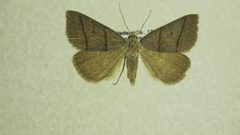
Ptichodis bistrigata, commonly known as the southern ptichodis , is a small erebid moth native to eastern and central North America. are active from early spring through mid-summer. The is characterized by its modest size and distinctive wing patterning that includes two prominent longitudinal streaks.

Pronunciation
How to pronounce Ptichodis bistrigata: /ˈtɪk.oʊ.dɪs baɪˈstrɪ.ɡə.tə/
These audio files are automatically generated. While they are not always 100% accurate, they are a good starting point.
Identification
The specific epithet 'bistrigata' (two-streaked) provides the primary diagnostic feature: two longitudinal streaks on the forewings. Distinguished from congeneric by this streak pattern and geographic range. Similar to other Ptichodis species but combination of size, streak pattern, and eastern North American distribution supports identification.
Images
Appearance
Small with wingspan approximately 22 mm. Forewings display two distinct longitudinal streaks (the 'bistrigata' epithet refers to 'two streaked'). Overall coloration and detailed pattern elements require specimen examination.
Distribution
Eastern and central North America: Texas to Florida, north to Massachusetts, west to Wisconsin. Records span the Atlantic coastal plain, Appalachian region, and upper Midwest.
Seasonality
active March through August. Multi-month period suggests either extended or multiple , though generation structure is not documented.
Similar Taxa
- Ptichodis herbarumCongeneric with overlapping North American range; distinguished by wing pattern details and lack of paired longitudinal streaks characteristic of P. bistrigata
More Details
Taxonomic note
Described by Jacob Hübner in 1818, placing it among the earlier-named North American erebid .