
Celiptera valina
Schaus, 1901
Pronunciation
How to pronounce Celiptera valina: //sɛˈlɪptərə vəˈlɪnə//
These audio files are automatically generated. While they are not always 100% accurate, they are a good starting point.
Identification
Distinguished from related by documented distribution in Texas and Arizona combined with the specific wingspan measurement of approximately 34 mm. Separation from congeneric species requires examination of genitalia or detailed wing pattern analysis not available in cited sources.
Images
Appearance
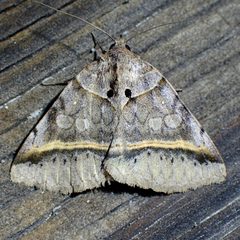
have a wingspan of approximately 34 mm. Specific coloration and pattern details are not well documented in available sources.
Habitat
Associated with environments supporting low-growing legumes (Fabaceae), which serve as larval plants. Specific preferences for are not documented.
Distribution
Recorded from North America, specifically the southwestern United States including Texas and Arizona.
Diet
Larvae feed on low-growing members of the legume (Fabaceae). feeding habits are not documented.
Host Associations
- Fabaceae - larval plantlow-growing members
Life Cycle
Complete with , larva, pupa, and stages. Specific timing and duration of developmental stages are not documented.
Ecological Role
Larval herbivore on Fabaceae; specific ecological impacts are not documented.
Similar Taxa
- Other Celiptera speciesCongeneric in Erebidae share general and require detailed examination for accurate identification
- Mocis speciesFormerly classified under Mocis (basionym Mocis valina); related erebid with similar general appearance