
Pseudopostega cretea
(Meyrick, 1920) Davis, 1989
White Eye-cap Moth
Pseudopostega cretea is a small in the Opostegidae, first described by Edward Meyrick in 1920. It is widely distributed across eastern North America, from southern Canada to northern Florida. are active primarily during summer months.
Pronunciation
How to pronounce Pseudopostega cretea: //ˌsjuːdoʊˈpɒstɪɡə ˈkɹɛtiə//
These audio files are automatically generated. While they are not always 100% accurate, they are a good starting point.
Identification
The small forewing length (3.9–4.6 mm) and geographic range in eastern North America are key features. Definitive identification likely requires examination of genitalia or other microscopic features typical of Opostegidae.
Images
Appearance
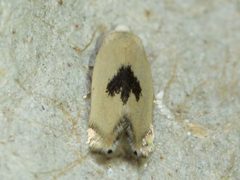
Small with forewings measuring 3.9–4.6 mm in length. The specific coloration and pattern details are not documented in available sources.
Habitat
Occurs in deciduous forest and open sand savanna. The has been documented across a range of types within its broad geographic distribution.
Distribution
Eastern half of North America: southern Canada (including Ontario) south to northern Florida, west to south-eastern British Columbia and Texas. Specific records include Alberta (Canada) and Vermont (USA).
Seasonality
recorded May to July in the southern United States, with one early August record. June to August across the northern portion of the range.
Similar Taxa
- Other Pseudopostega speciesMembers of the same share small size and similar ; identification to level requires specialized examination
- Other Opostegidae members are morphologically similar small with reduced wing venation; geographic range and genitalia characteristics are used for differentiation
More Details
Taxonomic note
Authorship is sometimes cited as (Meyrick, 1920) Davis, 1989, reflecting Davis's 1989 revision of the Opostegidae.