
Antiplecta triangularis
Warren, 1906
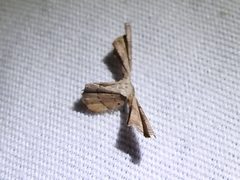
Antiplecta triangularis is a scoopwing in the Uraniidae, first described by Warren in 1906. The occurs across the Caribbean, Central America, and North America. It is assigned MONA/Hodges number 7652. As a member of Epipleminae, it belongs to a group of small moths characterized by distinctive wing shapes and postures.
Pronunciation
How to pronounce Antiplecta triangularis: //ˌæntiˈplɛktə traɪˌæŋˈɡjʊərɪs//
These audio files are automatically generated. While they are not always 100% accurate, they are a good starting point.
Identification
The specific epithet "triangularis" suggests a triangular wing shape, a trait common among Epipleminae scoopwing moths. These typically rest with wings folded tightly against the body, creating a narrow, streamlined profile. Positive identification requires examination of genitalia or comparison with .
Images
Distribution
Caribbean Sea, Central America, and North America. GBIF records confirm presence in Caribbean, Middle America, and North America regions.
Similar Taxa
- Other Epipleminae speciesShare the scoopwing and resting posture; require careful examination of wing patterns and genitalia for separation.
- Other Antiplecta species within the same ; distinguished by subtle differences in wing shape, pattern, and genitalia structure.
More Details
MONA/Hodges Number
7652
Taxonomic Note
The was described by British entomologist William Warren in 1906. Warren was a prolific describer of Lepidoptera, particularly from tropical regions.