
Zenophleps
Hulst, 1896
Zenophleps
Species Guides
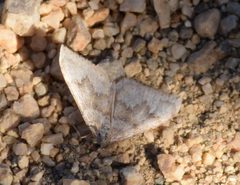
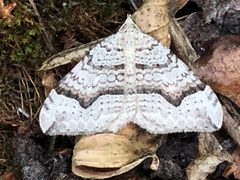
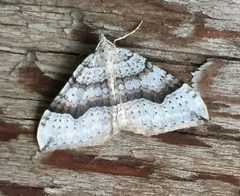
4Zenophleps is a of in the Geometridae, first described by George Duryea Hulst in 1896. The genus belongs to the Larentiinae and contains four recognized distributed in North America. These moths are part of the diverse geometrid lineage commonly known as inchworms or loopers, though specific biological details for most Zenophleps species remain poorly documented.
Pronunciation
How to pronounce Zenophleps: /zɛnəʊflɛps/
These audio files are automatically generated. While they are not always 100% accurate, they are a good starting point.
Identification
Members of Zenophleps can be distinguished from related larentiine by genitalic characters and wing pattern features, though specific diagnostic traits require expert examination. The genus name has been used in taxonomic keys for North American Geometridae, but field identification to genus level is challenging without dissection or molecular analysis.
Images
Distribution
North America. are recorded from montane and northern regions, including Z. alpinata (suggesting alpine ), Z. lignicolorata, Z. obscurata, and Z. pallescens.
Similar Taxa
- EupitheciaBoth are larentiine geometrids with similar wing shapes and patterns; Zenophleps have been historically confused with Eupithecia (pug moths), requiring genital dissection for reliable separation.
- Other Larentiinae generaMany small geometrid moths in the Larentiinae share convergent wing patterns and body forms, making Zenophleps difficult to distinguish without reference to or detailed morphological study.
More Details
Taxonomic history
The was established by Hulst in 1896 with Z. obscurata as the type . The four included species show a pattern of relatively recent description (1874–1938), suggesting the genus was not fully recognized until twentieth-century revisions of North American Geometridae.
Research needs
Basic biological information—including larval plants, associations, and —is undocumented or unpublished for most Zenophleps . The represents a typical case of taxonomic knowledge outpacing natural history study in understudied groups.