
Stamnoctenis pearsalli
(Swett, 1914)
Stamnoctenis pearsalli is a of geometrid in the Geometridae, first described by Swett in 1914. It is a small to medium-sized moth found in North America. The species is recognized by its distinctive wing posture and visible wing markings when at rest. It belongs to the Larentiinae, a diverse group of carpet moths.
Pronunciation
How to pronounce Stamnoctenis pearsalli: /stæmˈnɒktənɪs pɪərˈsɑːlaɪ/
These audio files are automatically generated. While they are not always 100% accurate, they are a good starting point.
Identification
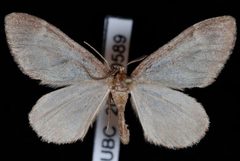
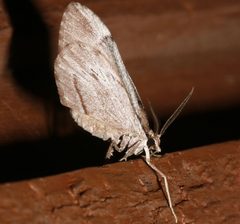
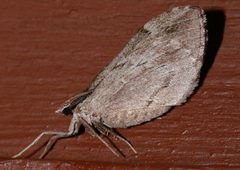
Recognized by the roof-like wing posture at rest, with a visible line on the lower portion of the wing. The MONA/Hodges number 7357 provides a standardized reference for North American identification. Distinguished from similar geometrid moths by this combination of resting posture and wing marking.
Images
Appearance
have wings held roof-like over the body when at rest. A visible line is present on the lower part of the wing, serving as a key recognition feature. Wing patterns and coloration are consistent with typical Larentiinae , though specific details require specimen examination.
Distribution
North America. Specific range details within the continent are not well documented in available sources.
Behavior
rest with wings held up in a roof-like posture when landed, a characteristic noted for this .
Human Relevance
Documented in entomological collections and databases. The MONA/Hodges number 7357 facilitates identification in North American surveys and citizen science platforms such as iNaturalist.
Similar Taxa
- Other Stamnoctenis speciesShare -level traits including general wing posture; specific wing line pattern distinguishes S. pearsalli
- Other Larentiinae mothsSimilar roof-like wing posture at rest; combination of visible lower wing line and Hodges number 7357 separates this
More Details
Taxonomic history
Originally described as Stamnodes pearsalli by Swett in 1914, later transferred to Stamnoctenis.
Catalogue reference
Hodges number 7357 in the of North America (MONA) checklist system.