Antepirrhoe semiatrata
(Hulst, 1881)
black-banded carpet moth, Black-banded Carpet
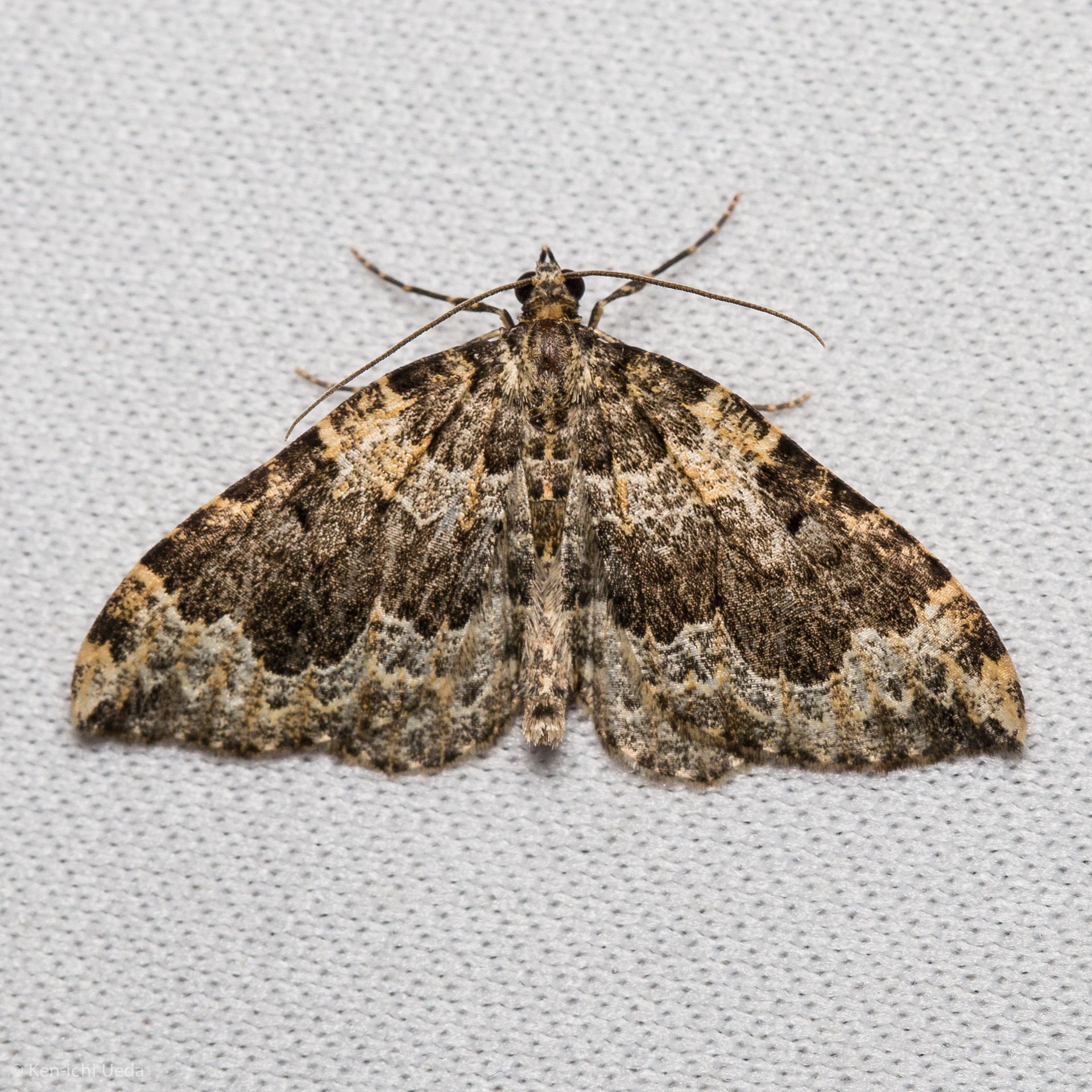
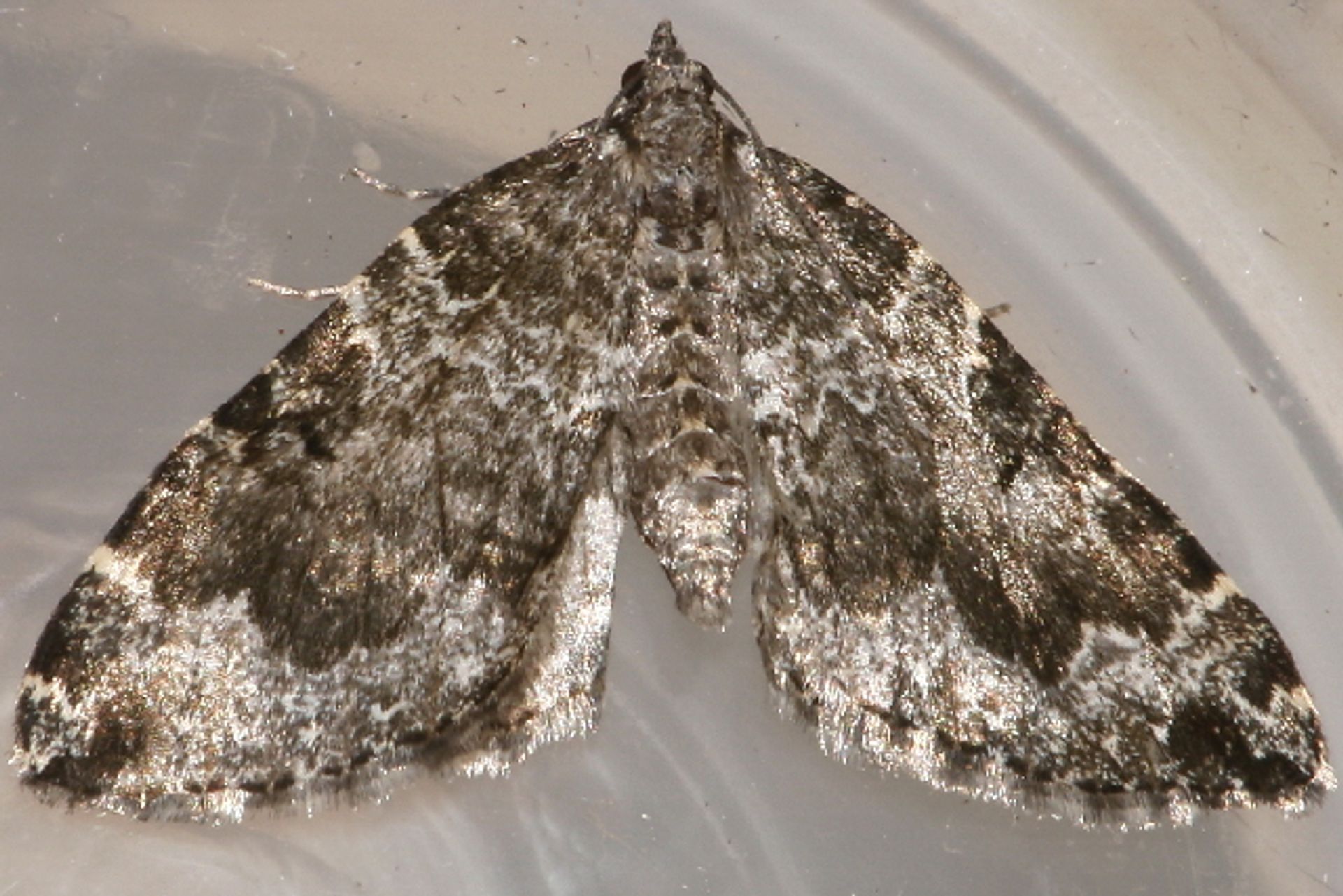
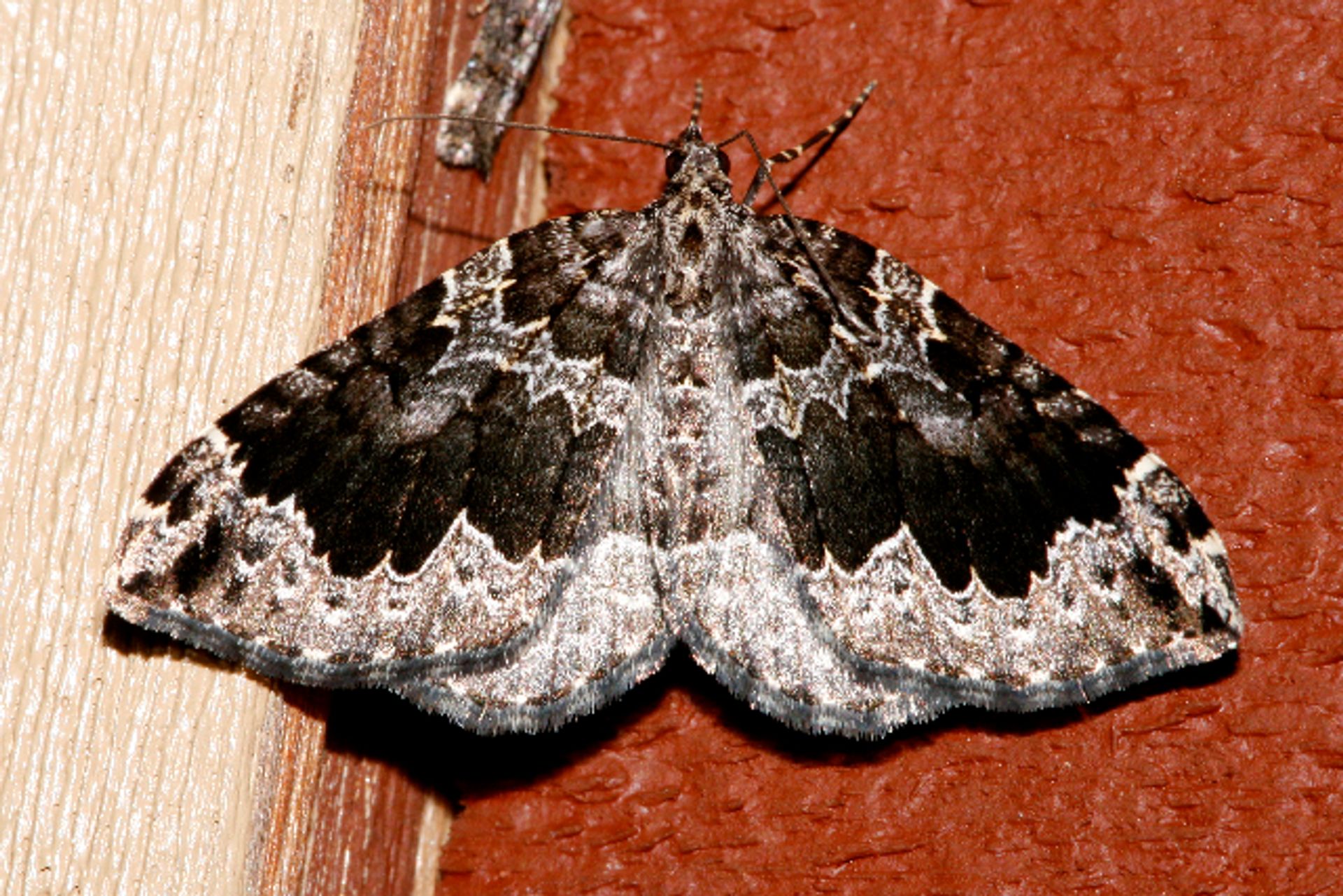
Antepirrhoe semiatrata, known as the black-banded carpet , is a North American geometrid moth in the Larentiinae. The was described by Hulst in 1881 and has been recorded across a broad geographic range in the United States and Canada. It is one of approximately 20 species in the Antepirrhoe, a group of carpet moths characterized by relatively small size and often subdued coloration. The species is assigned MONA Hodges number 7210.
Pronunciation
How to pronounce Antepirrhoe semiatrata: //æn.tɛˈpɪr.i.oʊ ˌsɛm.iˈeɪ.trə.tə//
These audio files are automatically generated. While they are not always 100% accurate, they are a good starting point.
Identification
The dark band on the forewings distinguishes this from most other Antepirrhoe species, which tend toward more uniform gray or brown coloration without such a sharply defined transverse band. Similar species in the include Antepirrhoe fasciata, which has a more diffuse pattern, and Antepirrhoe eurynome, which shows more extensive dark shading rather than a discrete band. Examination of genitalia may be necessary for definitive identification in areas of sympatry.
Images
Appearance
are small to medium-sized geometrid moths with wingspan approximately 20–25 mm. The forewings are gray-brown with a prominent dark blackish band crossing the area, giving the its . The band is often irregular or slightly sinuate, bordered by lighter areas. Hindwings are paler gray with faint transverse lines. The body is slender and matches the general wing coloration.
Habitat
Deciduous and mixed woodlands, forest edges, and riparian corridors. have been observed in mesic with abundant understory vegetation. Larval habitat requirements are poorly documented but likely involve herbaceous vegetation in shaded forest settings.
Distribution
North America: recorded from across the United States and southern Canada, with specimens from the Pacific Northwest, Rocky Mountain states, Great Lakes region, and northeastern North America. The distribution appears continuous across temperate North America.
Seasonality
are active from late spring through summer, with peak period typically June to August in most of the range. Multiple may occur in southern portions of the range.
Human Relevance
No significant economic or ecological impact documented. Occasionally encountered by enthusiasts and in biodiversity surveys.
Similar Taxa
- Antepirrhoe fasciataSimilar size and coloration, but lacks the sharply defined dark band; pattern more diffuse overall
- Antepirrhoe eurynomeOverlapping range, but shows more extensive dark shading on forewings rather than a discrete transverse band
- Eupithecia speciesSimilar small size and resting posture, but Eupithecia typically show more complex wavy transverse lines rather than a single bold band
More Details
Taxonomic history
Originally described as Eustroma semiatrata by Hulst in 1881, later transferred to Antepirrhoe. The Antepirrhoe was revised in the late 20th century, clarifying boundaries within this group of carpet moths.
Nomenclature
The specific epithet 'semiatrata' derives from Latin roots suggesting 'half-blackened,' referring to the dark banding pattern on the forewings.