
Eupithecia
pug moths, pugs
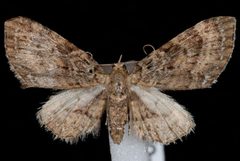
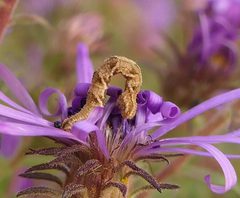
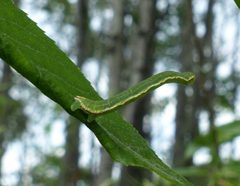
Eupithecia is a large of small in the Geometridae, commonly known as "pugs." They are characterized by narrow wings and a distinctive resting posture. The genus is notably diverse and presents significant identification challenges, with many requiring dissection of genitalia for definitive determination. Eupithecia species are frequently attracted to lights and have been documented visiting flowers, including apple blossoms, where they contribute to pollination.
Pronunciation
How to pronounce Eupithecia: /juːˈpɪθɪsiə ɛsˈpeɪt/
These audio files are automatically generated. While they are not always 100% accurate, they are a good starting point.
Identification
Most readily recognized by the narrow wing shape and unique resting posture, which together separate them from other geometrid moths. -level identification is extremely difficult and typically requires examination of genitalia under magnification. External characters alone are generally insufficient for definitive species determination.
Images
Habitat
Occurs in diverse including dry mixed conifer forest with oaks, as documented in New Mexico at 7,000 feet elevation. The presence of diverse fauna at light traps suggests association with areas of good floral diversity.
Distribution
Widespread across North America with numerous ; the documented observation comes from Pinos Altos, Grant County, New Mexico, in the southwestern United States.
Seasonality
active in late summer; documented observation from August 30.
Behavior
; strongly attracted to artificial lights including blacklights and porch lights. Has been observed visiting apple flowers at night, contributing to nocturnal pollination.
Ecological Role
function as . Documented visiting apple blossoms where they transfer pollen, with seed set data indicating their visits contribute meaningfully to fruit production. Larval varies by but many feed on flowers, seeds, or other plant parts.
Human Relevance
Contributes to agricultural pollination, specifically documented in apple orchards. The study demonstrating this role highlights that previously dismissed or considered pests provide valuable services.
Similar Taxa
- Other GeometridaeEupithecia is distinguished from other inchworm by its narrow wings and characteristic resting posture; other geometrids typically have broader wings and different resting postures.
More Details
Identification challenges
The source notes that Eupithecia is among the most difficult to identify to , with most specimens requiring genitalia dissection for definitive determination.
Pollination significance
A 2021 study in the Journal of Economic Entomology documented Eupithecia as visitors to apple flowers, demonstrating that they contribute to pollination services in fruit production alongside better-known .