
Eupithecia lachrymosa
(Hulst, 1900)
Lachrymose Pug Moth
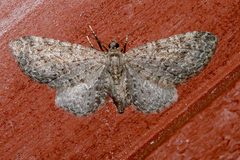
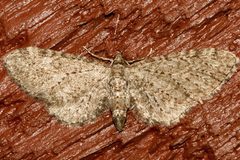
Eupithecia lachrymosa is a small geometrid in the pug moth group, described by George Duryea Hulst in 1900. It occurs across western North America from central Saskatchewan to southern California. The has been documented visiting apple flowers at night, contributing to pollination services in agricultural settings.
Pronunciation
How to pronounce Eupithecia lachrymosa: /juːˈpɪθiːsɪə ləˈkrɪmoʊsə/
These audio files are automatically generated. While they are not always 100% accurate, they are a good starting point.
Identification
A small pug moth with wingspan 19–24 mm. As with most Eupithecia , identification to species level requires examination of genitalia characters; field identification based on wing pattern alone is unreliable.
Images
Distribution
North America: central Saskatchewan west to southern Vancouver Island, north to British Columbia and Alberta, and south to California.
Diet
Larvae feed on Betula papyrifera (paper birch), Salix (willows), Ceanothus, and Alnus (alders).
Host Associations
- Betula papyrifera - larval plantpaper birch
- Salix - larval plantwillow
- Ceanothus - larval plant
- Alnus - larval plantalder
Behavior
have been observed visiting apple flowers at night, indicating activity and potential contribution to pollination.
Ecological Role
Documented as a visitor to apple flowers, contributing to nighttime pollination services in orchard . Larvae are herbivores on woody plants.
Human Relevance
Contributes to pollination of apple crops, as demonstrated in a 2021 study on apple production in Arkansas.
Similar Taxa
- Other Eupithecia speciesAll pug moths share narrow wings and characteristic resting posture; -level identification requires genital dissection and is not reliably achievable from photographs or external characters alone.