Plataea calcaria
(Pearsall, 1911)
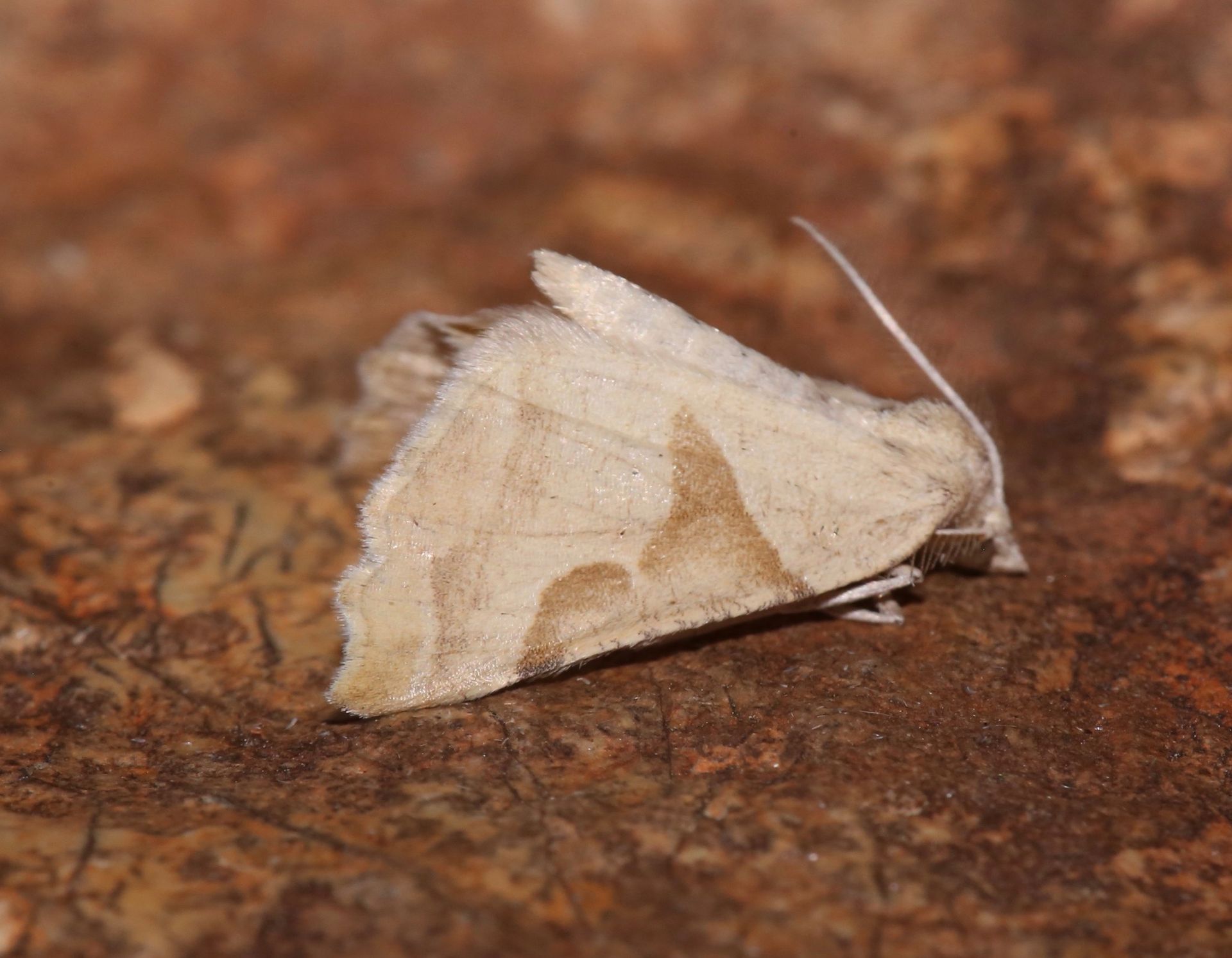
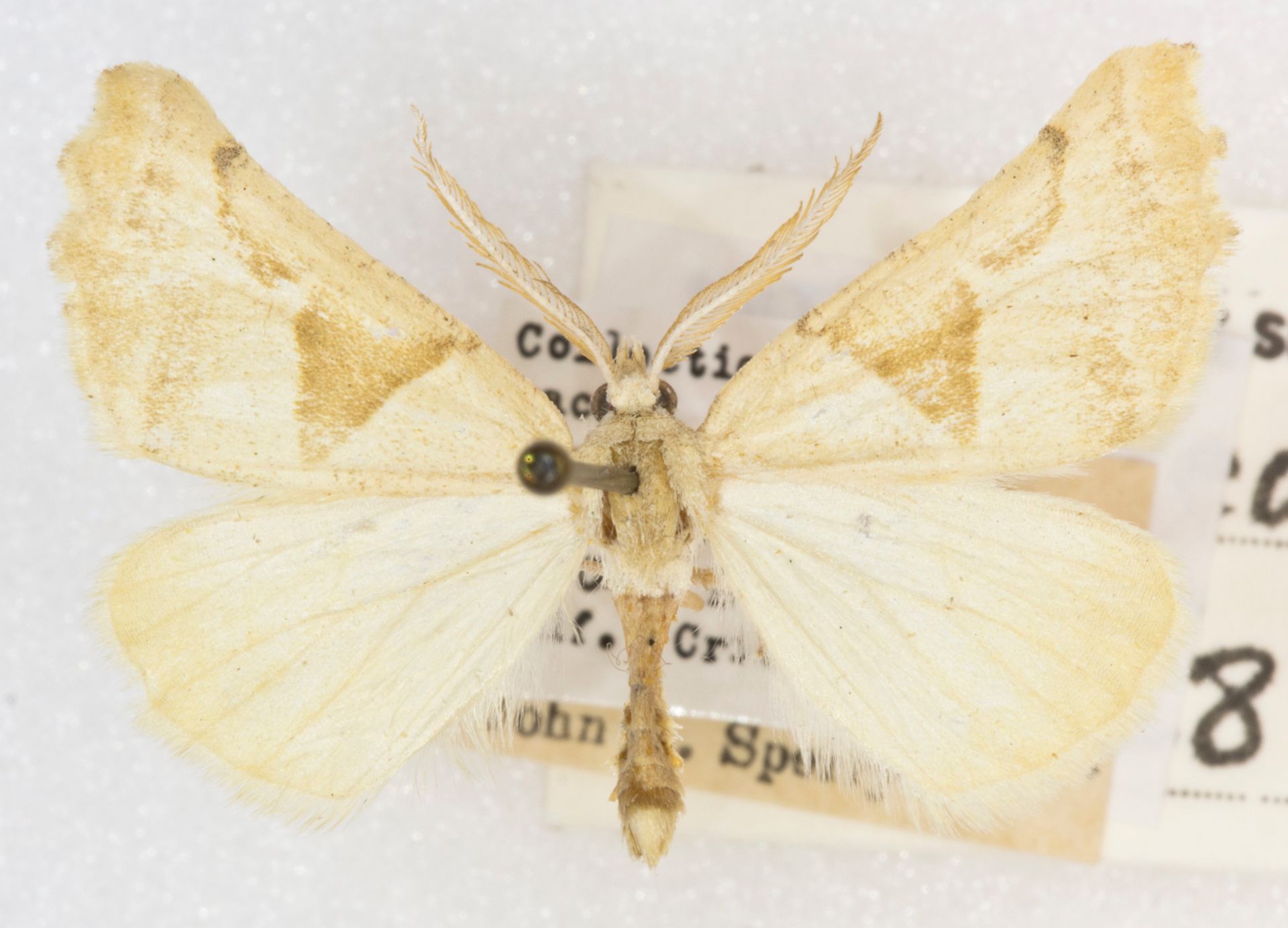
Plataea calcaria is a of geometrid in the Geometridae, described by Pearsall in 1911. It is a North American species assigned Hodges number 6921. As a member of the Ennominae, it belongs to a diverse group of moths commonly known as inchworms or loopers due to their characteristic larval locomotion. Available records indicate it has been documented through iNaturalist observations and recognized in major taxonomic databases, though detailed biological information remains limited.
Pronunciation
How to pronounce Plataea calcaria: //plæˈtiːə kælkəˈraɪə//
These audio files are automatically generated. While they are not always 100% accurate, they are a good starting point.
Images
Distribution
North America
More Details
Hodges Number
This is assigned MONA ( of North America) or Hodges number 6921, a standard numbering system used for North American Lepidoptera identification and cataloging.
Taxonomic History
Originally described by Pearsall in 1911. The specific epithet 'calcaria' may derive from Latin 'calcar' (spur), though the original description has not been consulted to confirm the etymology.