
Phyllodonta
Warren, 1894
Species Guides
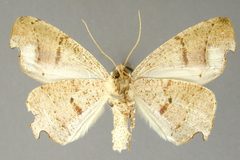
2Phyllodonta is a of in the Geometridae, Ennominae, established by Warren in 1894. The genus contains approximately 30 described distributed primarily in the Neotropical region, with some extending into the Nearctic. Several species form cryptic complexes that are superficially indistinguishable based on external but can be differentiated by genitalia, larval characteristics, plant associations, and barcodes. The genus has been subject to recent taxonomic revision, particularly for the latrata species group in Rica.

Pronunciation
How to pronounce Phyllodonta: //ˌfɪloʊˈdɒntə//
These audio files are automatically generated. While they are not always 100% accurate, they are a good starting point.
Identification
within Phyllodonta, particularly those in the latrata species group, are often cryptic and superficially indistinguishable based on external alone. Accurate identification frequently requires examination of female genitalia, caterpillar morphology, or . The belongs to Geometridae Ennominae; members typically exhibit the slender body and broad wings characteristic of geometrid moths, though specific diagnostic features for the genus are not well documented in available sources.
Images
Habitat
vary by . Phyllodonta coztomatlivora has been documented in high elevations of the Trans Mexican Volcanic Belt, including protected natural areas within Mexico City. Other species occur in Neotropical forest habitats. Specific microhabitat preferences for most species remain undocumented.
Distribution
Neotropical region, with extension into the southern Nearctic. Documented from Mexico (including Mexico City and the Trans Mexican Volcanic Belt), Rica, and presumably other Central and South American countries based on epithets and authorship patterns. The has not been reported from outside the Americas.
Diet
Larvae of Phyllodonta coztomatlivora feed on Physalis coztomatl (Solanaceae). plant associations for other in the are largely unknown or undocumented in available sources.
Host Associations
- Physalis coztomatl - larval food plantSolanaceae; documented for P. coztomatlivora
Life Cycle
Caterpillar has been documented for at least one (P. coztomatlivora), indicating that larval stages are known and described. Complete details, including , pupal, and longevity information, are not available from accessible sources for most species.
Behavior
Members of the latrata group exhibit cryptic speciation, with multiple species occurring sympatrically while remaining morphologically similar in external appearance. This pattern suggests potential partitioning through differential plant use or other unrecognized ecological factors.
Human Relevance
Phyllodonta coztomatlivora occurs within a protected natural area in Mexico City, which may have implications for urban conservation planning. The has no documented economic importance as agricultural pest or beneficial .
Similar Taxa
- Other Ennominae generaSuperficial similarity in wing pattern and body form; requires genital dissection or molecular analysis for definitive separation. Phyllodonta is distinguished by specific genitalic characters, though these require expert examination.
More Details
Taxonomic complexity
The latrata group has been subject to recent revision, with three new cryptic species described from Rica in 2014 and P. coztomatlivora described from Mexico in 2024. This suggests that in the is underestimated and that additional cryptic species likely remain undescribed.
Research needs
Most lack documented plant associations, preferences, or complete descriptions. The would benefit from comprehensive revision incorporating molecular data, larval , and ecological data.