
Gabriola dyari
Taylor, 1904
Dyar's Looper Moth, Dyar's looper
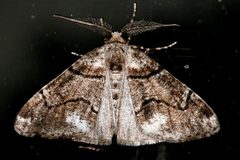
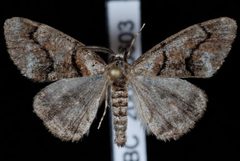
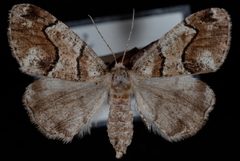
Gabriola dyari, commonly known as Dyar's Looper , is a of geometrid moth first described by Taylor in 1904. It occurs in coniferous forests along the Pacific coast of North America, ranging from the Alaskan panhandle through British Columbia to California. The species has a wingspan of 25–30 mm. It is a member of the Ennominae, which includes many loopers and inchworms.
Pronunciation
How to pronounce Gabriola dyari: /ɡəˈbriːoʊlə ˈdaɪəri/
These audio files are automatically generated. While they are not always 100% accurate, they are a good starting point.
Identification
The can be distinguished from similar geometrid moths by its documented geographic range along the Pacific coast and its association with coniferous forest . Accurate identification to species level likely requires examination of genitalia or reference to specialized regional keys for Pacific Northwest Geometridae.
Images
Appearance
Medium-small with a wingspan of 25–30 mm. As a geometrid moth, it possesses the slender body and relatively broad wings characteristic of the . Specific coloration and pattern details are not documented in available sources.
Habitat
Coniferous forests.
Distribution
Pacific coastal region of western North America, from the Alaskan panhandle and British Columbia south to California.
Similar Taxa
- Other Gabriola species within the same share morphological similarities and may overlap in range; precise identification requires detailed examination.
- Other Ennominae loopers in Pacific NorthwestMany geometrid moths in the Ennominae exhibit similar body plans and preferences in coniferous forests of the region.
More Details
Taxonomic history
The was described by Taylor in 1904 and has remained in the Gabriola, Ennominae, Geometridae.
Observation frequency
The has been documented in 732 observations on iNaturalist, indicating it is moderately well-recorded by naturalists within its range.