
Macaria pinistrobata
(Ferguson, 1972)
White Pine Angle
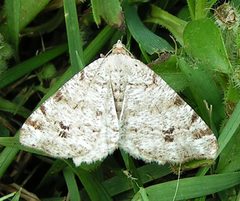
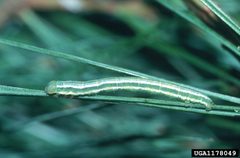
Macaria pinistrobata, commonly known as the white pine angle, is a geometrid native to eastern North America. The is closely associated with eastern white pine (Pinus strobus), which serves as the primary larval . are active during the warmer months, with one to two produced annually depending on latitude.
Pronunciation
How to pronounce Macaria pinistrobata: /məˈkɛəriə pɪnɪˈstroʊbətə/
These audio files are automatically generated. While they are not always 100% accurate, they are a good starting point.
Images
Habitat
Associated with forests and woodlands containing eastern white pine (Pinus strobus).
Distribution
Eastern North America from northern Georgia through the Appalachian Mountains, Great Lakes region, and New England. Canadian distribution includes Ontario, Quebec, New Brunswick, Prince Edward Island, and Nova Scotia.
Seasonality
active during warmer months; one to two per year depending on geographic location.
Diet
Larvae feed exclusively on eastern white pine (Pinus strobus).
Host Associations
- Pinus strobus - larval primary and likely exclusive food source
Life Cycle
One to two per year; specific details of , pupal, and stages not documented in available sources.
Ecological Role
Specialized herbivore on eastern white pine; contributes to nutrient cycling and serves as prey for .
More Details
Taxonomic history
Originally described as Semiothisa pinistrobata by Ferguson in 1972 before transfer to Macaria.