Macaria amboflava
(Ferguson, 1953)
Macaria amboflava is a in the Geometridae, described by Ferguson in 1953. It belongs to a of carpet moths characterized by relatively broad wings and often subtle coloration. The species name 'amboflava' suggests a yellowish or mixed yellow coloration pattern. As with many Geometridae, are likely and larvae are expected to be inchworm-type caterpillars with reduced .
Pronunciation
How to pronounce Macaria amboflava: //məˈkɛəriə ˌæmboʊˈfleɪvə//
These audio files are automatically generated. While they are not always 100% accurate, they are a good starting point.
Identification
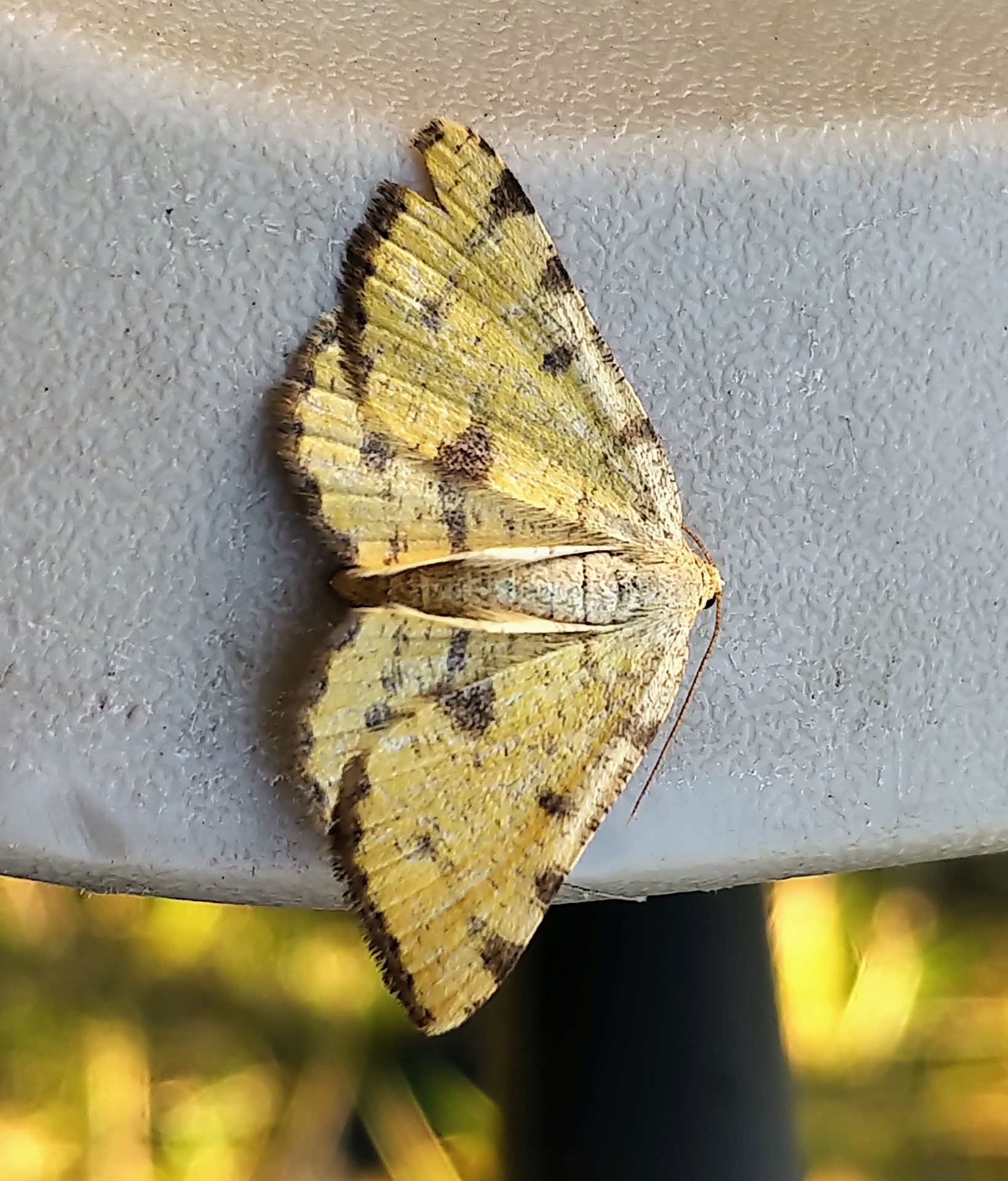
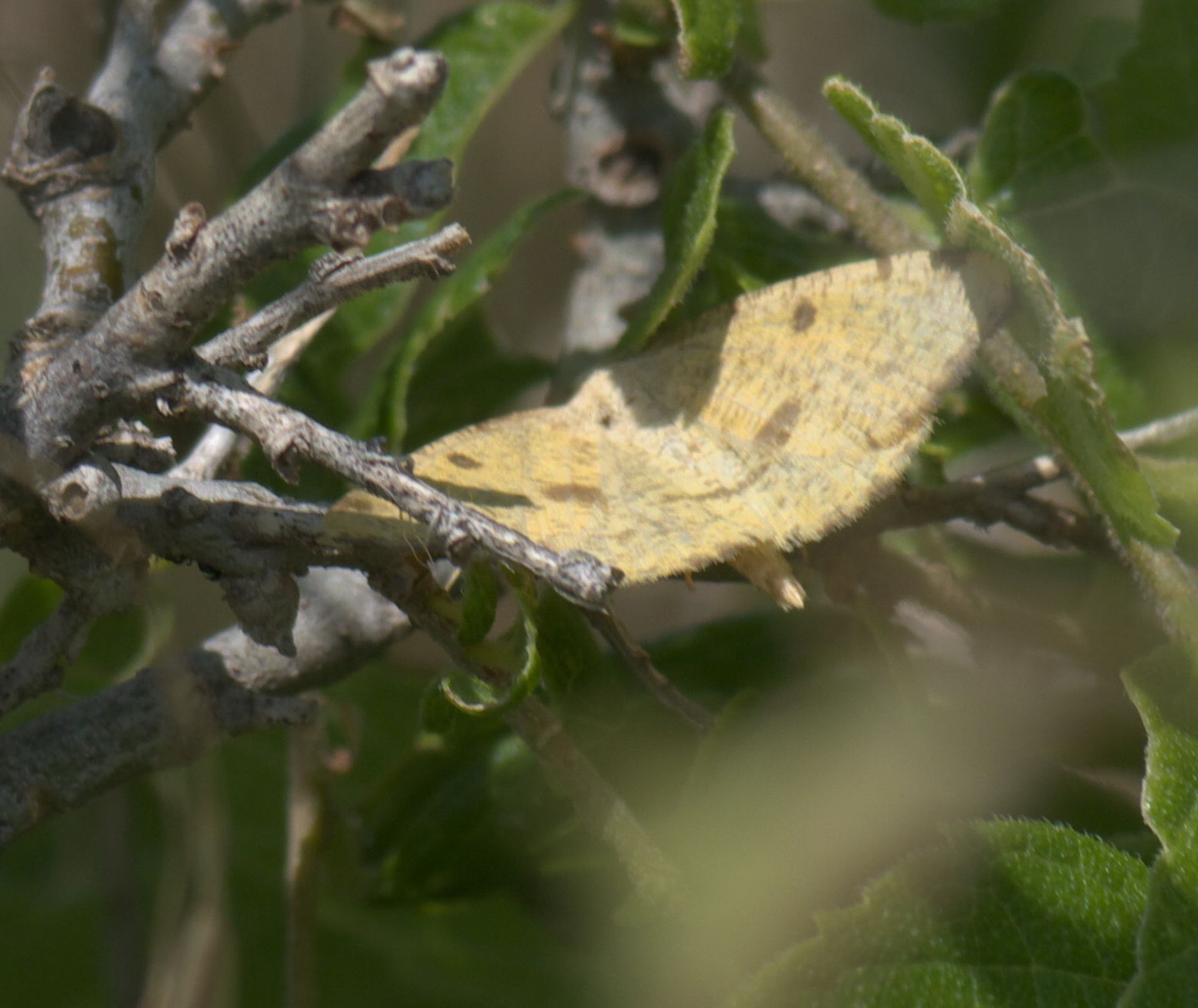
Distinguished from other Macaria by the specific yellow coloration pattern referenced in its name. Identification requires examination of wing pattern details, particularly the arrangement and intensity of yellow markings. Similar species in the may share general wing shape and pattern structure but differ in color tone and specific marking placement. Genitalia dissection may be necessary for definitive identification from closely related species.
Images
Appearance
are medium-sized geometrid moths with wingspans likely in the 20-30 mm range typical for the . The specific epithet 'amboflava' (from Latin 'ambo' meaning both, and 'flava' meaning yellow) indicates yellow coloration elements, possibly on both forewings and hindwings or in mixed yellow patterns. Macaria generally have relatively broad, somewhat triangular forewings with subtle patterning of lines and spots, and hindwings that are more rounded. are in both sexes. Wing patterns likely include fine transverse lines and discal spots characteristic of the genus.
Distribution
North America; specific range details limited in available sources. The was described by Ferguson, suggesting a North American type locality. Distribution likely corresponds to regions where suitable plants for larvae occur.
Seasonality
period not well documented; likely spring to summer based on typical patterns for northern Macaria .
Behavior
are and attracted to light, consistent with -level traits in Geometridae. Larval expected to include characteristic 'looping' locomotion due to reduced number of .
Ecological Role
Larvae function as herbivores on plants; specific ecological relationships not documented. may serve as minor if they feed on nectar.
Human Relevance
No documented economic importance. Of interest to lepidopterists and biodiversity researchers. Recorded in citizen science platforms with over 100 observations.
Similar Taxa
- Macaria speciesShare general wing shape, pattern structure, and body proportions; distinguished by specific coloration and fine pattern details
- Other Ennominae geometridsSimilar broad-winged appearance and resting posture; separated by -level characters including wing venation and genitalia
More Details
Taxonomic History
Described by Douglas C. Ferguson in 1953, a prominent North American lepidopterist who described numerous Geometridae . The specific epithet 'amboflava' is descriptive of coloration.
Observation Data
Documented in iNaturalist with 106 observations as of data compilation, indicating some level of detectability by observers but remaining relatively uncommon in citizen science records.