
Macaria aequiferaria
Walker, 1861
woody angle moth, Woody Angle
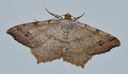
Macaria aequiferaria, commonly known as the woody angle , is a small geometrid moth with a wingspan of approximately 21 mm. It is distributed across the southeastern and south-central United States and Mexico. The is notable for its larval association with Taxodium (bald cypress) species.
Pronunciation
How to pronounce Macaria aequiferaria: /məˈkɛɹiə aɪkəˈfɛɹəriə/
These audio files are automatically generated. While they are not always 100% accurate, they are a good starting point.
Identification
Small size (wingspan ~21 mm) distinguishes it from larger geometrid moths. Confirmed identification requires examination of genitalia or association with Taxodium plants in its documented range.
Images
Appearance
Small with wingspan approximately 21 mm. Specific wing pattern details are not documented in available sources.
Habitat
Associated with wetland forests where Taxodium (bald cypress) occur.
Distribution
Southeastern and south-central United States: Maryland, Delaware, Florida, Texas, Oklahoma, Mississippi, Kentucky, southern Illinois. Also recorded in Mexico.
Seasonality
recorded year-round, with peak activity March through September.
Diet
Larvae feed exclusively on Taxodium (bald cypress). diet not documented.
Host Associations
- Taxodium - larval food plantConfirmed ; specific Taxodium not distinguished in sources
Ecological Role
Herbivore specializing on Taxodium; specific functions not documented.
Similar Taxa
- Macaria spp.Other Macaria overlap in range and ; identification requires detailed examination
- Other small GeometridaeSimilar size and general appearance; association and range help narrow identification
More Details
Nomenclature
Originally described by Francis Walker in 1861. 'woody angle ' refers to angular wing posture typical of the .
Observation frequency
Well-documented with over 1,600 iNaturalist observations, indicating it is regularly encountered within its range.